


Sense of Self Bathhouse Takes Shape Inside Former Surry Hills Warehouse

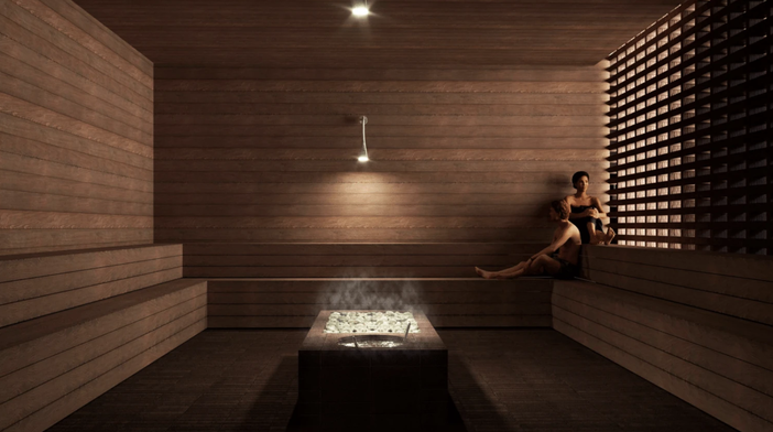
What began as plans for a new bathhouse inside a Surry Hills warehouse is now taking physical shape, with Sense of Self revealing more of the architecture, materials and spaces behind its first Sydney venue ahead of its expected September opening.


From Warehouse to Bathhouse

The new Sense of Self is being created at 529–531 South Dowling Street, transforming a former antiques warehouse into a two-level bathhouse spanning more than 1,000 square metres.

The Surry Hills venue will be the Melbourne-founded wellness brand’s first Sydney location and is expected to open in September 2026.

Rather than concealing the building’s industrial character, architects Ritz & Ghougassian have incorporated materials including brick, stone and chrome into a deliberately restrained interior.

Recent footage from the project shows the building moving well beyond the render stage, with rooms, passageways and bathing spaces increasingly taking their final form.

For founder Freya Berwick and architect Jean-Paul Ghougassian, the details are central to what the finished space is intended to achieve.

“The core of what we think and talk about is just really, really caring about something,” Berwick says in the latest instalment of the project’s Building a Bathhouse series. “And if you really care, you make every decision count.”

Those decisions extend from the materials beneath visitors’ feet to the way light falls across the brickwork and how people move between spaces.

Inside the New Surry Hills Bathhouse

The scale of the Surry Hills conversion allows Sense of Self to bring several different bathing and relaxation experiences together.

Across the two levels, the plans bring together mineral bathing, a Hammam, sauna and cold-water experiences, alongside massage rooms and areas set aside for sensory rest and relaxation.

The venue will also contain what Sense of Self says will be the largest sauna in the Southern Hemisphere.
Sense of Self
Photo Credit: Sense of Self/ Instagram

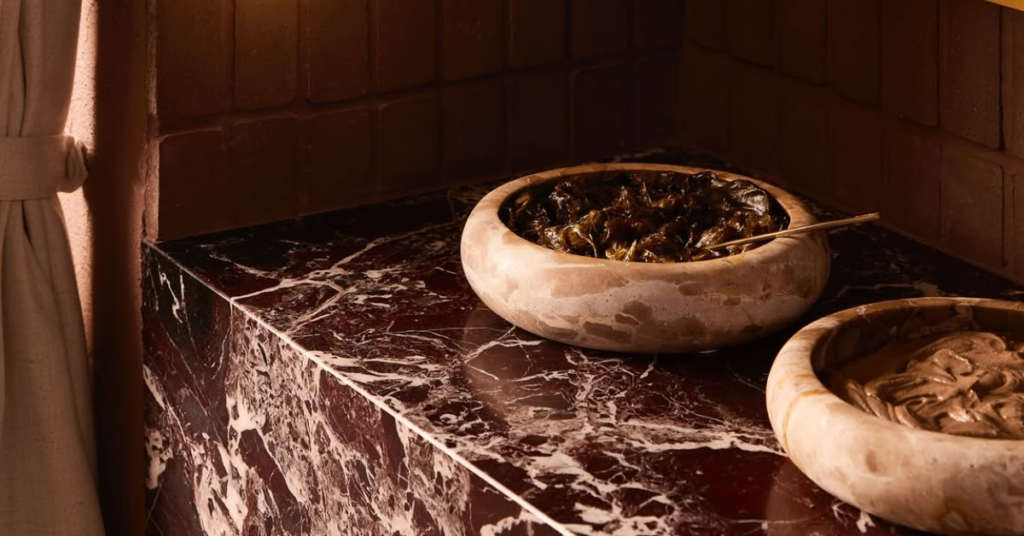
Another feature making the journey north from the brand’s Collingwood bathhouse is its Scrub Station, where guests choose exfoliating products for a self-guided scrub and steam ritual in the Hammam.

But the emerging Surry Hills venue is being designed around more than the individual facilities.

Designing for the Way a Space Feels

The latest construction update offers a closer look at an aspect of the project that is harder to capture on a list of amenities: how architecture can affect the experience of being there.

Berwick and Ghougassian discuss details including texture, light and the transition between different areas of the building.

The intention is to create places not only for bathing, but also for resting, listening and spending time with oneself.

That thinking is consistent with the philosophy Sense of Self has developed since opening its Collingwood bathhouse in Melbourne in 2020.

“Since opening Collingwood in 2020, we’ve always stayed close to what truly matters: belonging, care and a very human way of holding space,” Berwick has said of the Sydney expansion.

She described the Surry Hills project as a continuation of that approach, but within a space shaped specifically for Sydney.


Surry Hills Opening Draws Closer

The project arrives amid a broader expansion of bathhouses, saunas and communal wellness spaces across Sydney, but its warehouse setting gives the Surry Hills venue a particularly strong connection to its surroundings.

Instead of starting with a purpose-built wellness facility, the project has adapted an existing industrial building and used its scale, brickwork and enclosed spaces as part of the design.

Sense of Self has not yet announced an exact opening date, saying an announcement is coming soon.

For now, the latest look inside shows a project entering its final stages — and provides a clearer picture of how an old Surry Hills warehouse is being transformed into one of Sydney’s largest new bathing spaces.

Published Date 01-August-2026
Brett Whiteley Studio Reopens in Surry Hills After Two-Year Restoration 

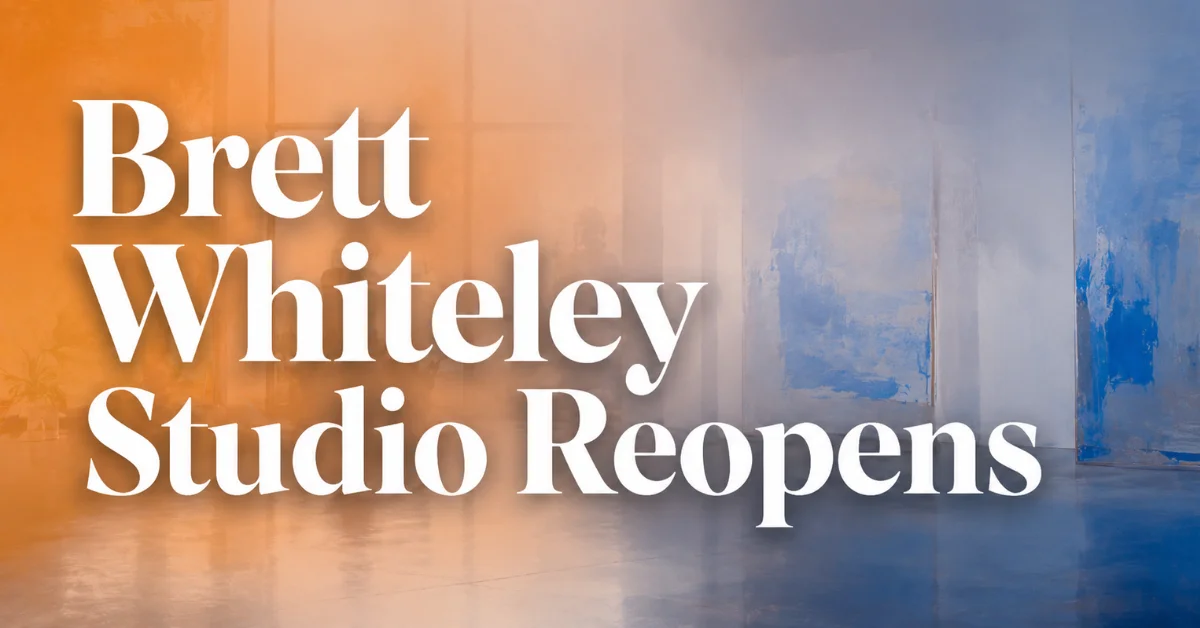
The Brett Whiteley Studio in Surry Hills has reopened after a two-year closure, with restoration work improving access and addressing structural problems while retaining the artist’s former home and working space.


The three-storey former T-shirt factory on Raper Street closed in June 2024 for maintenance and upgrades intended to bring the building to contemporary museum standards without removing the character of Whiteley’s studio.

Architecture firm Tonkin Zulaikha Greer carried out the refurbishment, which included a new lift, improved accessibility, a replacement roof and a library.

Building Works Expand Beyond Access Upgrade

The project became more extensive after construction began. When the roof was removed, the building was found to be in worse condition than anticipated, requiring broader structural work alongside the accessibility improvements.

The refurbishment also involved updated staircases and facilities, along with measures intended to protect the collection and support the building’s continued museum use.

The Art Gallery of New South Wales owns the property and has operated it as a museum since February 1995.

Preserving the Brett Whiteley Studio

While the building was upgraded, care was taken to retain details associated with Whiteley’s working environment.

Curator Beatrice Gralton closely oversaw the refurbishment, including the treatment of the original floor. Its squeaks and creaks were retained rather than repaired away as part of the works.

Whiteley’s brushes, paints, tools, musical instruments and personal belongings were returned to the upstairs studio after the refurbishment. A green wicker chair closely associated with the artist remains among the preserved contents.

Wendy Whiteley, Whiteley’s former wife and a long-time custodian of his legacy, remained involved throughout the process. She described initially finding the renovated building noticeably changed while its rooms were empty, before Whiteley’s artworks and possessions were put back in place.

The restored space continues a history that began when the Whiteleys bought the Surry Hills warehouse in 1985 and converted it into a combined home and studio. Whiteley worked there until his death in 1992.

Surry Hills Creative Connections

The studio also retains traces of the creative community that occupied parts of Surry Hills during the late 1980s.

Among Whiteley’s record collection, Gralton found a handwritten note from musician Paul Kelly, who was then living around the corner. The note accompanied an album Kelly had recently released.

The museum has also developed an educational role since opening under the Art Gallery of New South Wales. Thousands of students from across the state have visited while studying Whiteley’s work as part of high-school visual arts courses.

Coming Home Accompanies Reopening

The reopening includes Brett Whiteley: Coming Home, an exhibition centred on the artist’s return to Australia in 1969 after years overseas.

The exhibition includes work associated with the period when Whiteley, Wendy Whiteley and their daughter Arkie were living in Fiji, followed by material produced after the family returned to Australia. About 80 works spanning paintings, drawings, sculptures, ceramics, prints and sketchbooks are included.

Works displayed within the reopened studio also include The balcony 2 from 1975, Big orange (sunset) and (Freestanding ultramarine) Palm trees from 1974, and Self-portrait in the studio from 1975–76.


The reopening program has included talks and events alongside the exhibition.

The Brett Whiteley Studio is at 2 Raper Street, Surry Hills. It is open Thursday to Sunday from 10am to 4pm, with free entry.

Published 31-July-2026

Viral Italy Sandwich Chain All’Antico Vinaio Opens First Aussie Shop Near Circular Quay

One of Florence’s best-known sandwich shops has arrived in the Sydney CBD. All’Antico Vinaio has launched its first Australian outlet near Circular Quay, bringing oversized Tuscan schiacciata and a large international following.


The takeaway shop opened at 50 Pitt Street, near Bridge Street and between the Circular Quay and Wynyard precincts this July.

Florence’s famous flatbread reaches Pitt Street

The Mazzanti family established All’Antico Vinaio in Florence in 1991. The business built its reputation around schiacciata, a Tuscan flatbread baked with olive oil and salt.

The bread has a crisp surface and a softer centre. Staff split it and fill it with cured meats, cheeses, vegetables and creamy spreads.

The Florence shops became tourist destinations, helped by long queues, travel recommendations and widely shared food videos. The company later expanded to cities including New York, Los Angeles and Dubai, with Sydney marking its first Australian location.

Fifteen sandwiches and a Sydney creation

The Sydney menu features 15 schiacciata combinations, currently priced from $19 to $29. It includes several of the company’s established recipes alongside one sandwich created for the Australian market.

The Paradiso combines mortadella, stracciatella, pistachio pesto and chopped pistachios. La Favolosa includes sbriciolona salami, pecorino cream, artichoke cream and spicy eggplant.

The Sydney sandwich pairs Papandrea’s Wagyu bresaola with DOP parmesan shavings and rocket. It is the most expensive item on the current menu at $29.

Photo Credit: All’Antico Vinaio

The schiacciata is baked fresh on site each day, while the creams and pesto are made in-house. Launch material also says selected Italian ingredients are imported, including aged Prosciutto di Parma.

There is no dining room, so the venue operates as a takeaway business. Customers will need to eat nearby, take their order back to work or carry it elsewhere in the city.

Andy Allen joins the Australian venture

The Sydney project brings together founder Tommaso Mazzanti, chef Andy Allen and Fladgate Hospitality Group operators Jonny Stewart and Ali Mattar. Allen is a co-owner of Three Blue Ducks and a judge on Network 10’s MasterChef Australia.

Launch coverage says Allen became involved after posting about his experience at All’Antico Vinaio in Italy. That interest later developed into a partnership with the Mazzanti family and the Australian hospitality group.

A global name enters Sydney’s lunch market

The Pitt Street location places the business among CBD offices, hotels and major transport links. It gives the shop a steady stream of potential customers, including workers, tourists and commuters moving through the northern end of the city.


For Surry Hills residents, the venue is accessible by light rail or train through the CBD.

Beyond the Bar: Nicola Olyslagers’ Journey to Glasgow 2026 Silver

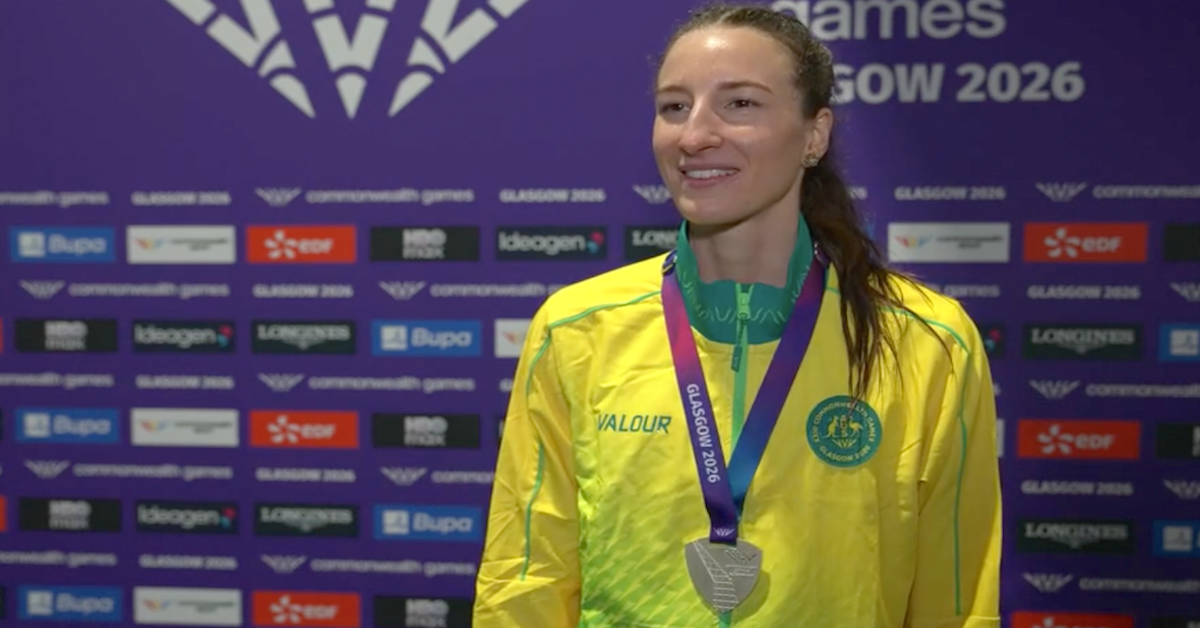
Before Nicola Olyslagers became a world champion, a two-time Olympic medallist and the first Australian woman to clear two metres in the high jump, she was a University of Sydney biochemistry student in Camperdown, balancing study, training and café work.


She studied on commutes, arranged athletics sessions around classes and worked shifts to help pay for overseas competitions. When full-time study became difficult to sustain alongside elite sport, she moved to part-time enrolment and completed the three-year degree over six years.

By the 2026 Commonwealth Games in Glasgow, the student who once revised science during her commute had become one of the world’s leading high jumpers. In rain-soaked conditions on 29 July, Olyslagers cleared 1.93 metres to win silver behind Australian teammate Eleanor Patterson, who jumped 1.96 metres.

For the reigning world champion and world No. 1, silver represented a result below the expectations surrounding her. Yet Olyslagers’ career has never been adequately explained by medal colour alone.

Café shifts funded an uncertain ambition

Olyslagers began studying biochemistry at the University of Sydney in 2015 while still trying to establish herself internationally.

Her junior results gave little indication that Olympic medals were inevitable. She missed the final at the 2014 World Junior Championships and recorded no height at the 2017 World Championships, exposing the distance between domestic promise and success on the global stage.

Without sponsorship, she worked in a café for four to five years. Her duties were focused largely on cleaning and customer service, and a six-hour shift could be followed by training. The wages helped fund flights to competitions at a time when every international opportunity had to be earned twice: first at work, then on the runway.

She has recalled imagining major meetings and Olympic competition while washing dishes. Those private visions sustained an ambition that had little financial security and no guaranteed outcome.

At 20, however, she came close to leaving athletics. Her doubts extended beyond the practical demands of travel, study and money. High jump had become central to her identity, and when the bar fell she lacked a foundation beyond the result.

As a junior, she was often better in training than in competition, a pattern she associated with pressure and fear.

Faith loosened the grip of results

Olyslagers has said her Christian faith became central during that period.

She stopped allowing athletics to determine her identity and began approaching the sport through faith, joy and service to others. Once she accepted that she would be all right without high jump, she became freer within it.

Her international results improved in the years that followed. She won bronze at the 2018 Commonwealth Games, then rebuilt her technique with long-time coach Matt Horsnell.

In 2021, she became the first Australian woman to clear two metres and won Olympic silver in Tokyo with a personal best of 2.02 metres. Mandatory quarantine after the Games gave her two uninterrupted weeks to finish the remaining work for her University of Sydney degree.

Olyslagers is uncertain whether she will return to biochemistry after athletics, but she has said the course taught her to work hard. University required her to persist through difficult material without immediate mastery, a lesson readily transferred to an event in which months of training may be rewarded by a single centimetre.

From contender to the world’s best

After marrying Rhys Olyslagers in 2022, she began competing under her married name.

She won World Championships bronze in 2023, followed by the world indoor title and a second Olympic silver medal in 2024. Her 2025 season brought indoor and outdoor world titles, the Diamond League crown and an Oceanian record of 2.04 metres.

Despite that success, her training environment has remained simple. She continues to work with Horsnell at his home, sometimes lifting weights in the garage or driveway.

Her career was shaped by crowded schedules and modest facilities, circumstances that required her to progress without waiting for ideal conditions. The café shifts, university commute and suburban training base became part of the same education in persistence.

Glasgow silver, measured differently

At Glasgow 2026, Patterson took gold and Olyslagers left with silver.

Olyslagers’ public philosophy does not require indifference to defeat. Her competitiveness remains central to her pursuit of greater heights, but she separates disappointment in a performance from her sense of identity.

This principle also informs her work with younger athletes through Everlasting Crowns and her mentoring of those moving from junior sport into university and senior competition. She understands the uncertainty of that transition, the pressure to perform, the loss of familiar structures and the need to decide what matters beyond results.

Olyslagers has set her sights on a new personal best as she works towards the 2028 Los Angeles Olympics. The medals may follow, but her career has already established a more enduring measure of success.


The bar can record how high she jumps. It cannot decide who she is.

Published 31-July-2026

From Reservoir Street to the World: How Surry Hills Put the Flat White on the Map

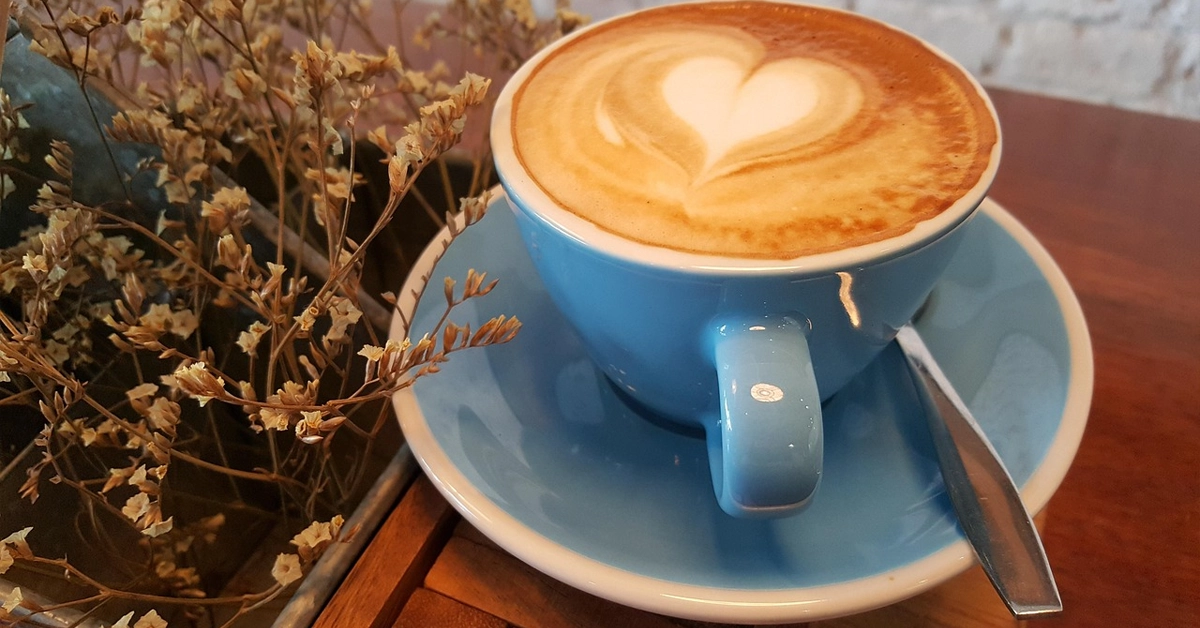
There is a corner of Reservoir Street in Surry Hills where Sydney’s love affair with the flat white quietly began — and from that small, unassuming café on a gentle slope up from Central Station, the ripples have spread remarkably far. Single O, the coffee roaster and café that has called that address home since 2003, has become something of an unlikely ambassador for Australian café culture on the world stage.


The brand, originally known as Single Origin Roasters, was one of the pioneers of Sydney’s third wave coffee movement when it opened more than two decades ago. What started as a roastery-cafe hybrid — spinning customers out with fruit-driven blends and a focus on single origins at a time when stale Italian packet coffee dominated the market — has grown into something much larger. Today, Single O operates locations across New South Wales, Queensland, and Japan, with its CEO Mike Brabant noting that Australia continues to play a meaningful role in setting global coffee standards. He credits the country’s thriving independent café scene — rather than any dominant chain — as the force that built that reputation.

The drink most associated with that reputation is, of course, the flat white. Broadly defined as a white coffee made with steamed milk and minimal foam, it sits somewhere between a latte and a cappuccino — less milky than the former, less frothy than the latter — and puts the flavour of the espresso front and centre. As Brabant describes it, there is nowhere to hide in a flat white: if the coffee isn’t excellent, or the barista isn’t skilled, you will taste it.

That quality benchmark may be precisely why it has travelled so well. By 2015, Starbucks had added the flat white as a permanent fixture on its US and Canadian menus, having watched it gain traction in specialty cafés across the country. In China, the flat white has been adopted under the Mandarin name ào bái — literally “Australian white” — reflecting its uptake even in markets where tea has long been the dominant beverage of choice. Shanghai, which had more than 9,500 coffee shops as of 2023, surpassing major international hubs like New York and London, regularly features the flat white prominently on menus. In Tokyo’s more minimalist coffee boutiques, the milk-to-coffee ratio of a flat white is treated with a seriousness that would feel familiar to any Surry Hills regular.

The origins of the drink are themselves a source of some Antipodean rivalry — New Zealand maintains it invented the flat white, though various Australian accounts point to the 1980s, with Queensland often cited. Whatever side of the Tasman you come down on, the drink’s ability to cross language barriers and embed itself in wildly different café cultures speaks to something universal in its appeal.

Back on Reservoir Street, Single O continues to push the envelope. The Surry Hills café introduced what it describes as the world’s first batch brew bar, as well as innovations like the Freepour Coffee On Tap system, all while its roasting operations have expanded to a dedicated facility in Botany. In early 2026, Single O was named to The World’s 100 Best Coffee Shops list, a ranking compiled through more than 350,000 public votes and the evaluations of over 800 professional judges worldwide.


For locals who have been grabbing their morning cup from that corner of Surry Hills for years, none of this will come as much of a surprise. They have always known the flat white here is something worth making a detour for — the rest of the world is simply catching up.

Published 24-July-2026

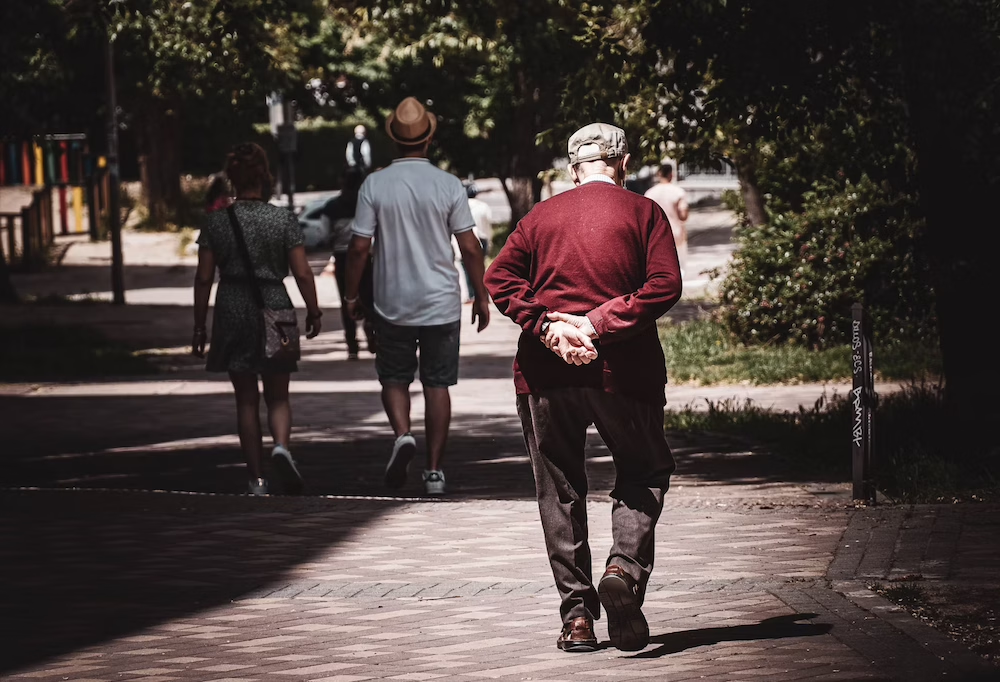
Seniors Now Outnumber Youth in Surry Hills and Darlinghurst

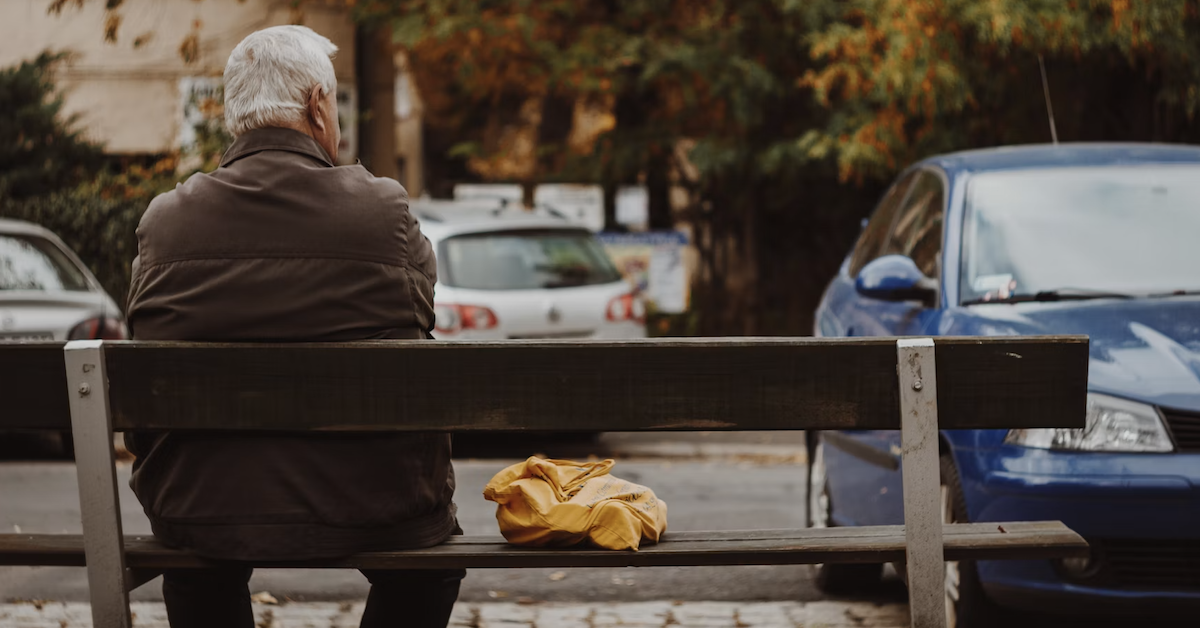
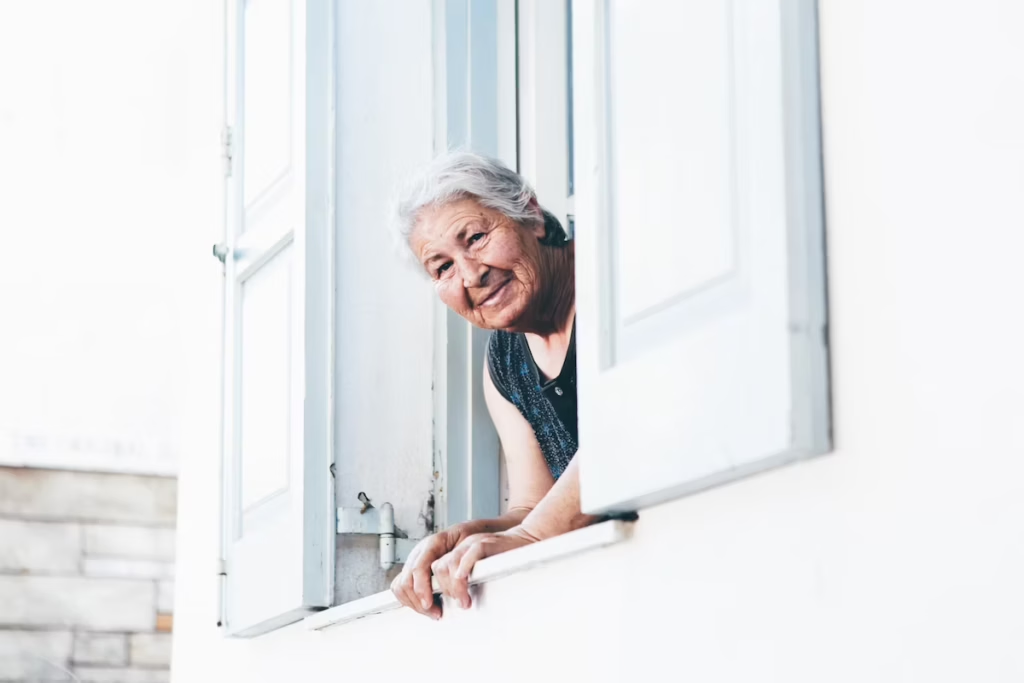
People aged 65 and over now outnumber children and teenagers in both Surry Hills and Darlinghurst, marking a clear demographic shift for the two inner-Sydney suburbs.


According to Australian Bureau of Statistics (ABS) population estimates for 2024, Surry Hills was home to 1,603 residents aged 65 or older compared to just 1,122 under the age of 20—a surplus of 481 seniors. The gap was even wider in neighbouring Darlinghurst, which recorded 1,302 seniors against 666 under-20s, leaving a difference of 636. 

The figures rely on Statistical Area Level 2 boundaries, which roughly capture these urban communities even if they do not match official suburb lines perfectly.

A Complete Generational Reversal

This marks a complete reversal from the start of the century. In 2001, under-20s held the lead in both suburbs: Surry Hills had 133 more young people than seniors (1,496 to 1,363), while Darlinghurst had a youth advantage of 158 (890 to 732). By 2011, the scale had tipped in favour of older residents, and that trajectory has only steepened since

.While working-age adults (20 to 64) still make up the vast majority of local populations, youth shares have shrunk to historic lows. Under-20s now account for just 6.6 per cent of Surry Hills residents and 5.8 per cent in Darlinghurst. Conversely, seniors make up 9.4 per cent and 11.4 per cent of the respective suburbs, meaning Darlinghurst now has nearly two seniors for every child or teenager.

Photo Credit: Nick Karvounis/Unsplash

Bigger Suburbs, Fewer Children

Interestingly, overall population growth in these areas has not brought more children into the mix. Between 2001 and 2024, Surry Hills grew from roughly 13,900 to 17,100 residents, yet its under-20 population dropped by 374 as its senior cohort expanded by 240. Darlinghurst grew from 8,500 to over 11,400 residents, but saw a loss of 224 under-20s against a gain of 570 seniors.

While the ABS data, which measures estimated resident populations as of 30 June, shows what is happening, the drivers behind it are multifaceted. The prevalence of apartments and terraces near the Sydney CBD, St Vincent’s Hospital, transit hubs, and local dining naturally attracts single adults and childless couples. 

Meanwhile, high property prices and rents, paired with a shortage of multi-bedroom layouts and private yards, push growing families outward.

In a report, KPMG urban economist Terry Rawnsley notes that housing affordability plays a major role across Sydney, with many young families simply priced out of well-located inner suburbs. Broader national trends, including an ageing population, lower fertility rates, and residents choosing to age in place, are likely compounding the trend.

Rethinking Local Priorities

This changing landscape will inevitably impact local services. Fewer young residents could alter long-term demand for schools, playgrounds, and childcare services like the Surry Hills Neighbourhood Centre Children’s Services or children’s programs at the local library. 

On the flip side, an expanding older community will place greater emphasis on healthcare, accessible public transit, safe pedestrian crossings, and specialised social support—such as HammondCare’s 42-bed residential facility in Darlinghurst for vulnerable older residents facing homelessness.


Beyond the Youthful Facade

Surry Hills and Darlinghurst may still project a youthful image powered by dining, nightlife, and daily commuters, but the permanent resident base tells a different story. The vibrant inner-city hum remains, but the people who actually live there are steadily growing older.

Published 23-July-2026

The Hydroponic Farm Under Barangaroo’s Office Towers

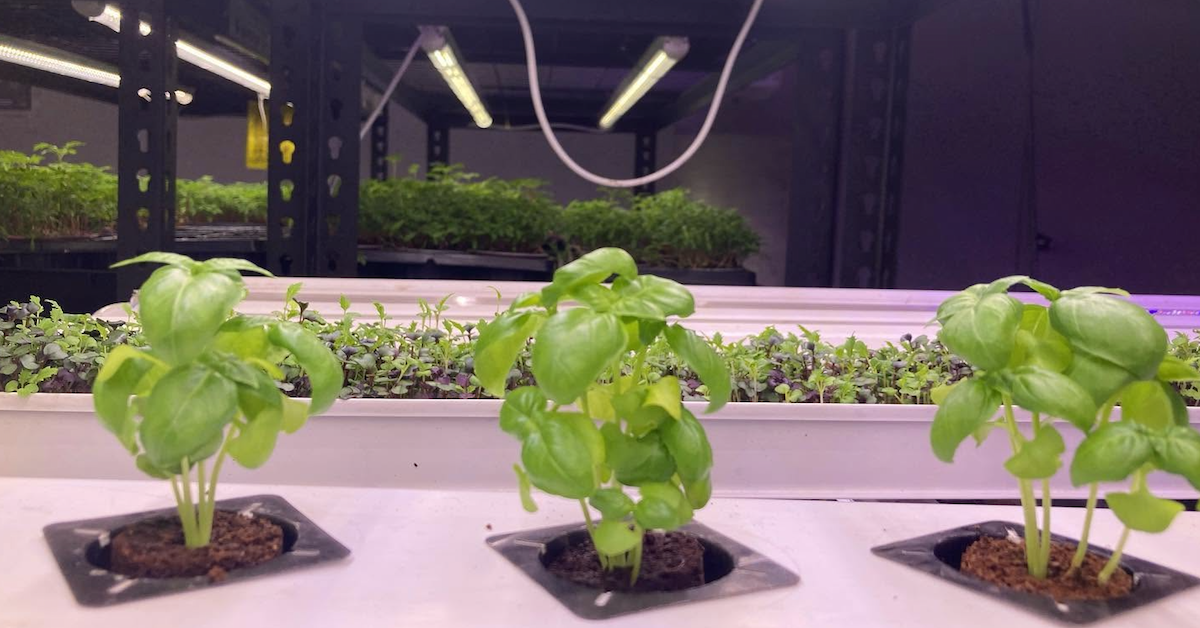
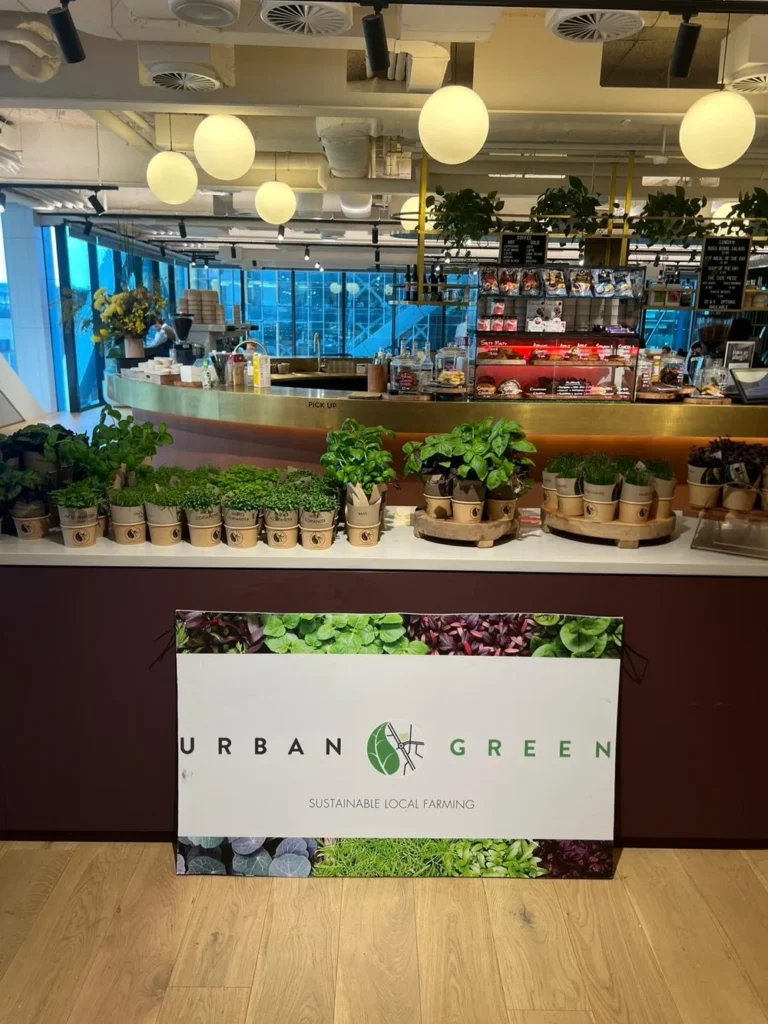
Four levels beneath Barangaroo’s office towers, rows of green shoots grow under artificial light. There are no paddocks, tractors or patches of soil. Instead, trays of microgreens sit on stacked shelves inside a former section of an underground car park.


The site is home to Urban Green Sydney, a commercial indoor farm founded by former chef Noah Verin. The farm grows small herbs, sprouts and specialty leaves for restaurants across Sydney. 

During National Science Week, visitors will be able to explore the site and learn how food can be produced in spaces that cities often overlook. The tours will run from Monday, 17 August, to Friday, 21 August. A related Urban Green Sydney pop-up will also take place in the Sydney CBD on Wednesday, 19 August.

A working farm hidden beneath the business district

Urban Green Sydney operates on basement level B4 at 1 Shelley Street in Barangaroo. Above it are offices, streets, shops and restaurants. Below, plants grow in an enclosed, controlled environment where LED lights replace natural sunlight.

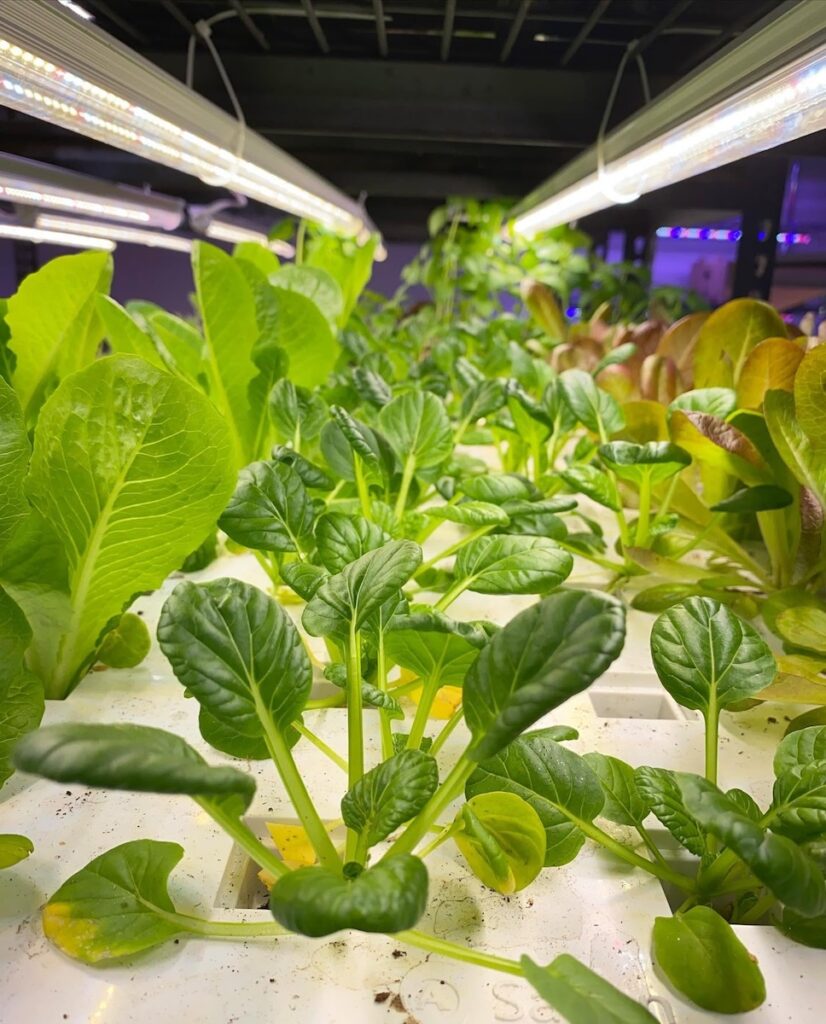
Fans move air around the room. Insulated panels help control the growing conditions. Reverse-cycle air conditioning keeps the temperature within a suitable range. The crops sit in rows of trays arranged on vertical racks. This design allows the business to grow more plants within a limited floor area.

The Barangaroo site has been described as one of the world’s first underground car park farms. Museums of History NSW has also previously promoted tours of the farm.

The setting may be as striking as the farming system. It shows that food production does not always have to begin in an open field. However, an operation of this size cannot replace the large farms that produce most of the city’s food. Instead, it focuses on fast-growing specialty crops that suit limited spaces and are valued by chefs.

From restaurant kitchens to indoor farming

Verin started Urban Green Sydney in 2016, several years before moving the operation to Barangaroo. Before becoming an urban farmer, he worked as a chef and studied environmental science. His background gave him experience with both food and the way it is produced.

The business began on a much smaller scale. Verin first experimented with growing plants in an apartment in Bondi. He later moved the operation to a shared workspace in Marrickville.

In early 2020, Urban Green Sydney began growing food in the Barangaroo car park. Verin’s experience as a chef also gave him direct knowledge of the small, strongly flavoured greens used by restaurants.

Chefs use microherbs and baby leaves to add flavour, colour and texture to dishes. However, these delicate crops can lose quality during long storage or transport. Growing them close to city kitchens can shorten the time between harvest and service.

Coconut husks take the place of farm soil

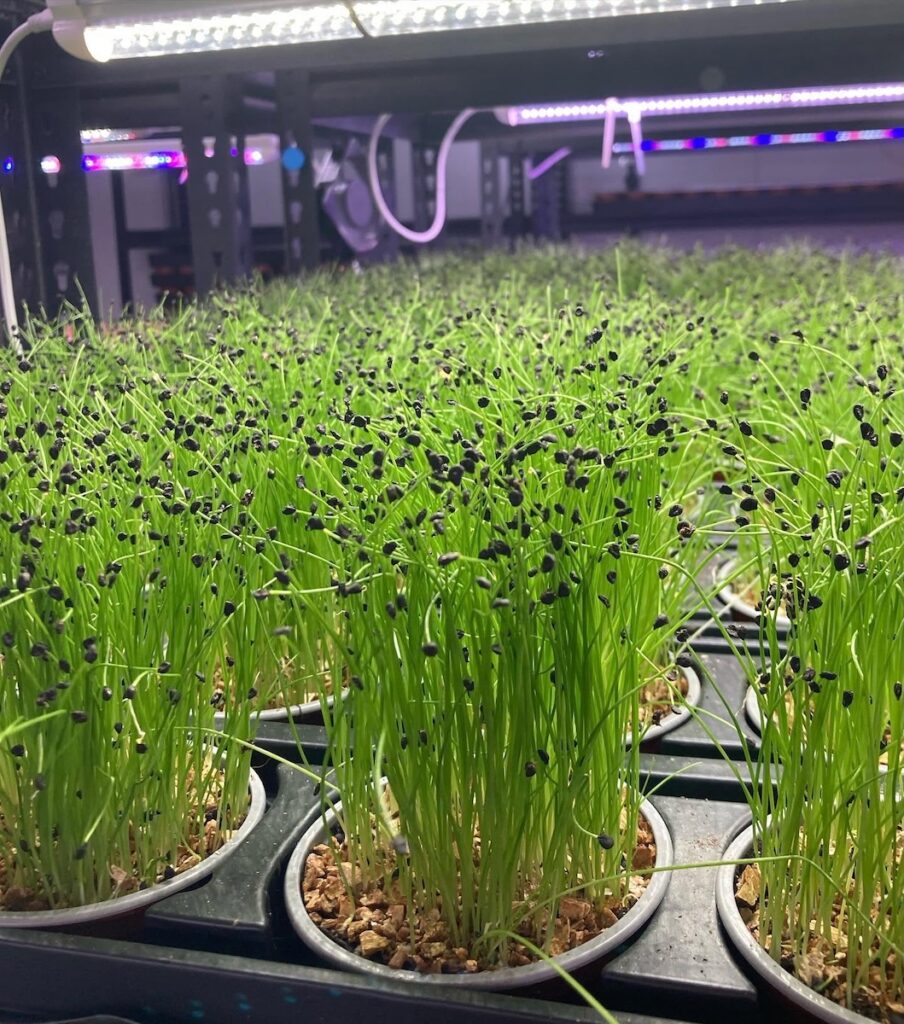
The Barangaroo farm uses coconut coir, a material made from coconut husks, instead of conventional soil. Coir holds water while leaving space for air around the roots. It can also anchor plants in substrate-based hydroponic systems. The approach is an example of circular farming because it gives a coconut-industry byproduct another use.

The farm uses vertical shelves, controlled airflow and LED lights to maintain stable growing conditions. However, it still needs electricity for lighting, ventilation and temperature control. This energy use remains an important factor when assessing the environmental impact of indoor farming.

Microgreens turn a small room into productive space

Urban Green Sydney specialises in microgreens, sprouts and baby leaves. Microgreens are young seedlings harvested soon after they develop their first leaves. Different varieties offer different flavours, colours and textures.

In 2022, reports said the farm was growing about 40 types of herbs and vegetables. Many microgreens suit indoor systems because they grow quickly and require little space.

Microgreens are also better suited to this small indoor site than broadacre crops such as wheat or bulky vegetables such as potatoes. They grow in short cycles and can be sold to nearby restaurants.

Short trips can help fragile produce stay fresh

One of Urban Green Sydney’s strongest selling points is its location. Barangaroo and the wider Sydney CBD contain many restaurants, cafés and hotels. Produce grown under the precinct can travel a short distance before reaching a kitchen.

Shorter trips may help reduce damage and spoilage. They can also allow chefs to receive produce soon after harvest. Some plants can be supplied while still growing, rather than being cut and packed several days earlier. This can extend their useful life in a restaurant kitchen.

Still, transport is only one part of the farm’s environmental impact. Indoor farms use manufactured lights and climate-control equipment. Their total impact depends on the source of their electricity, the efficiency of their equipment, their packaging and the amount of food they produce.

Current energy use and emissions figures would need to be confirmed with the company before making wider claims about its environmental performance.

A car park becomes a test site for future cities

The farm raises questions about urban underground space usage. While car parks, basements and empty rooms aren’t typically associated with agriculture, they often have access to power, water and nearby businesses. Transforming these spaces into farms could optimise underutilised areas for income. 

However, not all car parks are suitable. Indoor farms require proper ventilation, drainage, safe access, reliable power and space for equipment. They must also generate enough revenue to cover expenses.

The Barangaroo site focuses on crops suitable for local customers who value freshness. This initiative complements, rather than replaces, traditional farms that supply large quantities of food to cities. Indoor farms can provide selected products near consumers while maximising urban resources.

Science Week brings the basement farm above ground

The National Science Week program will give members of the public a chance to see the Barangaroo operation at work.

Photo Credit: Urban Green Sydney

Visitors will learn how plants grow without traditional soil and how farmers control light, water and temperature indoors. They will also be able to taste some of the greens produced at the site. The event forms part of a wider program about farming, food security, science and city design.


Urban Green Sydney is also encouraging schools, workplaces, community organisations and other groups to join a national microgreens experiment through its Seed to STEM Grow Kits. The kits are designed to help participants grow microgreens and study plant development.

Published 23-July-2026

Curtain Falls on New Arts Chapter at Sydney CBD Church

A new arts venue inside a 158-year-old Sydney CBD church where Baz Luhrmann once performed has closed within days of opening after its lease was terminated under an “offensive trade” clause.


Divine Playhouse had begun operating from the deconsecrated building at 420 Kent Street as an LGBTQIA+ pop-up venue for live music, DJs, choir performances, cabaret and other arts events.

The project was first announced as Unholy Playhouse before being renamed Divine Playhouse. Its planned program included the Holy Flesh cabaret series and a performance billed as Australia’s first live exorcism.

The lease was terminated on 15 July. Organisers later confirmed they had been directed to leave the property within three days, and all scheduled events were cancelled.

Lease Dispute Ends Sydney CBD Church Program

The termination followed objections from some Christian groups to the venue’s programming and use of Catholic imagery and themes.

About 70 protesters gathered outside during the opening celebrations, while hundreds attended the venue.

A breach notice issued earlier in July alleged that the tenants had carried on an “offensive trade” that caused grievance and disturbance to adjoining property owners and members of the public.

Photo Credit: Divine Playhouse/Instagram

Divine Playhouse founder Kat Dopper and the venue’s operators dispute the termination and are considering legal action.

Lawyers acting for the tenants have argued that the term “offensive trade” developed in a public health context involving activities such as abattoirs, foul smells and industrial waste.

They maintain that applying the provision to artistic programming regarded as morally or religiously offensive is legally untested.

Some opponents of Divine Playhouse said their objections concerned its treatment of religious symbols and themes rather than its association with the LGBTQIA+ community.

Photo Credit: Divine Playhouse/Instagram

From Church to Theatre

The 230-square-metre building stands on the eastern side of Kent Street between Druitt and Market streets, about 200 metres from Sydney Town Hall.

Built in 1868 as the Church of St John, it was deconsecrated in 1932. The property later served as a poorhouse, the Kursaal Theatre and the original Matthew Talbot Hostel.

The former church is listed as a local heritage item, including its interior and front fence.

Photo Credit: City of Sydney

The Genesian Theatre moved into the Kent Street building in 1954 and remained there for about 70 years before relocating to Rozelle. 

Photo Credit: Wikipedia

It was associated with the early careers of several Australian creatives, including Baz Luhrmann, who performed at the Kent Street venue before establishing himself as a filmmaker, producer, writer and theatre director. He later became known for productions including Strictly Ballroom, Romeo + Juliet, Moulin Rouge!, Australia, The Great Gatsby and Elvis. 

Organisers Seek Another Venue

Divine Playhouse’s operators were required to remove flooring, industrial bar refrigerators, artworks, customised signs and other fit-out works by 5pm on Wednesday.

They are searching for another venue following the cancellation of the Kent Street program.


Supporters have planned a sing-in rally at Hyde Park on Saturday, while a fundraiser involving artists whose events were cancelled is also being organised.

A crowdfunding campaign had raised about $36,000 towards the venue’s campaign

Published 20-July-2026

University of Sydney Study Finds Melatonin May Help Ease Chronic Pain

Researchers at the University of Sydney’s Charles Perkins Centre have found that melatonin — the inexpensive sleep supplement already used by millions of Australians — can reduce chronic musculoskeletal pain to a degree comparable to opioids, anti-inflammatory drugs and paracetamol.


The study, published in the journal PAIN, is the most comprehensive meta-analysis of melatonin’s pain-relieving effects to date, drawing on data from 2,028 adults across 23 randomised controlled trials conducted in nine countries.

Inside the findings

Participants included people living with low back pain, osteoarthritis and fibromyalgia, as well as those recovering from joint replacements and spinal procedures.

Photo Credit: Adobe Stock

On average, melatonin reduced pain by around nine points on a 0-to-100 scale, with the most rigorous trials showing reductions closer to 10 points — a result in a similar range to some of the most commonly prescribed pain medications.

The supplement also improved sleep quality across the trials, which matters because disrupted sleep and chronic pain are closely linked and each tends to worsen the other.

The potential beyond sleep 

Lead author and PhD student Kangchao Wu from the  Musculoskeletal Research Hub at the Charles Perkins Centre said the findings opened a practical pathway for people already managing chronic pain.

Photo Credit: iStock

“Melatonin is already in people’s homes, it’s inexpensive, and we know it’s safe,” Wu said. “What’s exciting is that melatonin may also help manage chronic pain, opening the door to reducing reliance on medications that come with more risks.”

Co-author Professor Paulo Ferreira, Director of the Musculoskeletal Research Hub, said the study reflected the growing potential of drug repurposing — using treatments already understood by science in new clinical applications.

“We’re taking a medication we already understand and applying it to a problem that affects a huge proportion of the global population,” Ferreira said.

Photo Credit: WebMD

Musculoskeletal pain affects up to 47 per cent of people globally, making it one of the largest contributors to disability and healthcare costs worldwide.

The doses researchers studied 

Across the 23 trials, doses ranged from 1mg to 10mg depending on the condition and setting. For chronic musculoskeletal pain, 3mg per day at bedtime was the most commonly used dose.

For postoperative pain, doses of 5 to 6mg were most common. Researchers did not find a clear dose-response relationship, meaning no single best dose can be recommended from the existing evidence.

Safety and availability 

Melatonin is generally well tolerated, with the most commonly reported side effects being nausea, dizziness and headaches — at rates similar to placebo across the trials. No serious adverse events were reported.

It is considered safe for short-term use of less than three months, and typically costs less than $1.50 per tablet in Australia.

Photo Credit: Sleep Foundation

In Australia, melatonin is not available over the counter as a standard supplement. Most products require a prescription. Low-dose melatonin of 2mg or less can be supplied by a pharmacist without a prescription for short-term insomnia treatment in adults aged 55 and over.

The advice for people with chronic pain 

The team is clear that melatonin is not a replacement for existing pain management and patients should speak with their doctor before use, particularly if they take other medications or have existing health conditions.

“Our advice isn’t for melatonin to replace every pain medication,” Wu said. “Instead, after consultation with a doctor, it may be used as an adjunct to existing treatments, particularly for people who also experience sleep problems.”

The full study is available via the journal PAIN. The Musculoskeletal Research Hub is located at the Charles Perkins Centre, Johns Hopkins Drive, Camperdown.


Published 8-July-2026

Paddington Boarding House to Make Way for Luxury Homes After Court Approval

A long-running battle over the future of a Paddington boarding house has come to an end, with approval granted for the ageing property to be redeveloped into four luxury homes after its former residents were relocated.


Read: Eviction Looms for Vulnerable Residents in Paddington Boarding House


The decision marks the latest chapter in a case that has fuelled debate over the future of affordable housing in Sydney’s inner suburbs.

Developer LFD Homes secured approval to proceed with the project after successfully appealing to the NSW Land and Environment Court. The proposal had previously been refused by the City of Sydney in 2023, with the council arguing it would result in an unacceptable loss of affordable housing in an area where low-cost accommodation is becoming increasingly scarce. 

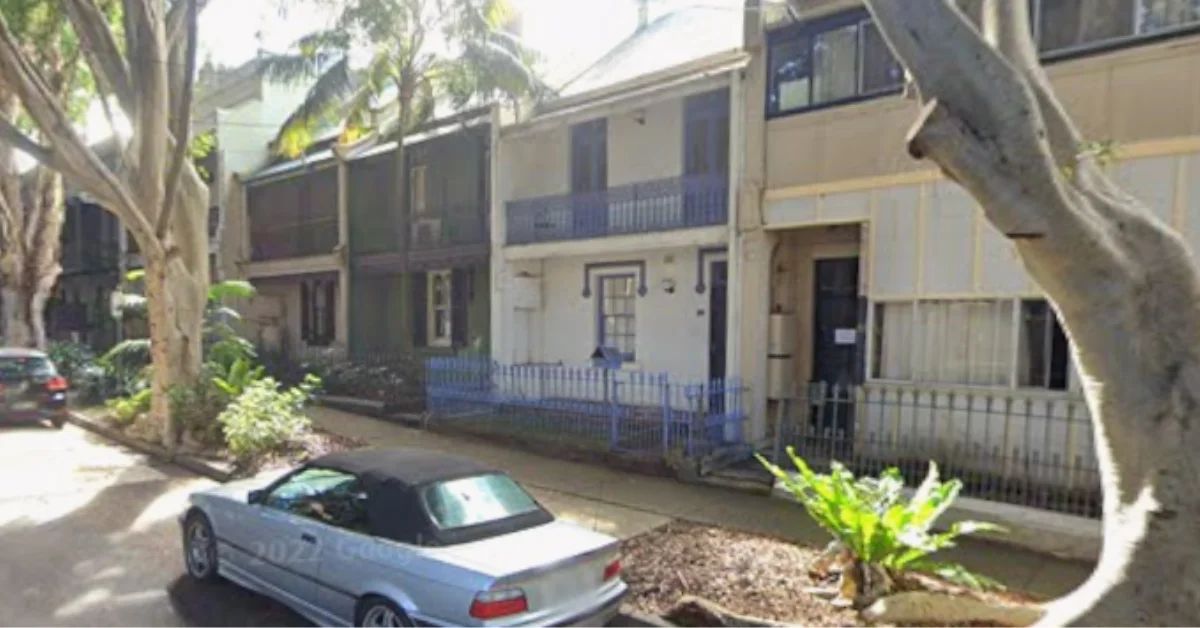
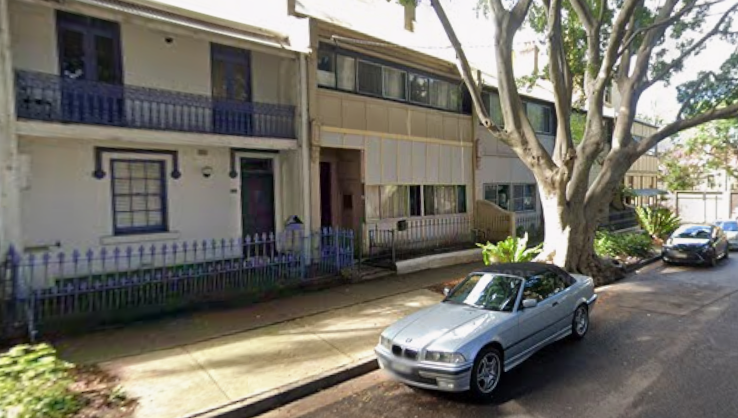
Photo credit: Google Street View

The development application, lodged in 2023, became the subject of a lengthy legal process. An earlier court ruling upheld the council’s refusal before the developer successfully appealed that decision. On June 17, the NSW Land and Environment Court ruled the redevelopment could proceed under the provisions of the Housing State Environmental Planning Policy (Housing SEPP).

Affordable housing concerns remain

In her decision, Commissioner Susan O’Neill found that removing the boarding house would reduce the supply of affordable housing in the area and that there was insufficient comparable accommodation to meet demand. She also found that retaining the building was not an appropriate solution because the existing accommodation did not provide an acceptable housing standard and was not financially viable to operate.

The court accepted evidence that the property generated a rental yield of 2.75 per cent and found that requiring a private landowner to continue operating an unviable boarding house would undermine the planning framework intended to encourage investment in this type of housing. As a result, no affordable housing contribution could legally be required from the developer under the Housing SEPP.

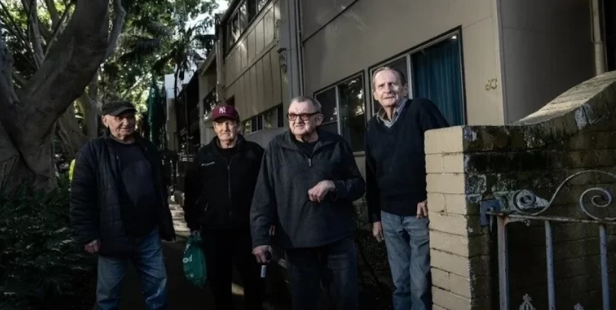
The Selwyn Street boarding house had provided accommodation for low-income men since the years following World War II, with some residents calling it home for more than 50 years before receiving eviction notices in late 2024.

According to the court, arrangements were made to help displaced residents secure comparable accommodation before the redevelopment proceeds. Former residents have since moved into a mix of private rentals and social housing across Sydney.

The case has also renewed debate about the effectiveness of planning laws intended to protect boarding houses. The City of Sydney has previously argued that older boarding houses play an important role in providing affordable housing for vulnerable residents and has repeatedly called for stronger protections under the Housing SEPP.

Photo credit: Change.org

The proposal also attracted broader community concern beyond the Selwyn Street property. During the campaign to save the Paddington boarding house, a Change.org petition attracted more than 27,000 supporters calling for stronger protections against the loss of boarding houses. The petition argued that Sydney has seen an alarming decline in affordable and low-cost housing, with vulnerable residents increasingly displaced as boarding houses are converted into higher-value homes.


Read: Boarding House Redevelopment Displaces Long-Term Residents in Paddington


NSW Planning Minister Paul Scully has said the state continues to support measures aimed at increasing housing supply, including affordable housing, through a range of planning initiatives. However, the decision highlights the continuing tension between preserving existing affordable housing and allowing redevelopment where boarding houses may be found to be financially unviable.

The redevelopment will replace the former 32-room boarding house on Selwyn Street with four luxury residences, bringing an end to a property that provided affordable accommodation for generations of low-income residents in Sydney’s inner city.

Published 27-June-2026