





Researchers at the University of Sydney’s Charles Perkins Centre have found that melatonin — the inexpensive sleep supplement already used by millions of Australians — can reduce chronic musculoskeletal pain to a degree comparable to opioids, anti-inflammatory drugs and paracetamol.
The study, published in the journal PAIN, is the most comprehensive meta-analysis of melatonin’s pain-relieving effects to date, drawing on data from 2,028 adults across 23 randomised controlled trials conducted in nine countries.
Inside the findings
Participants included people living with low back pain, osteoarthritis and fibromyalgia, as well as those recovering from joint replacements and spinal procedures.
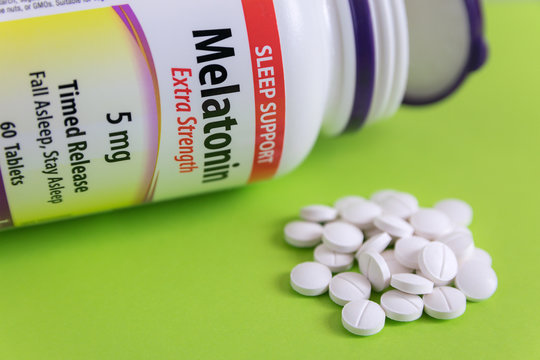
On average, melatonin reduced pain by around nine points on a 0-to-100 scale, with the most rigorous trials showing reductions closer to 10 points — a result in a similar range to some of the most commonly prescribed pain medications.
The supplement also improved sleep quality across the trials, which matters because disrupted sleep and chronic pain are closely linked and each tends to worsen the other.
The potential beyond sleep
Lead author and PhD student Kangchao Wu from the Musculoskeletal Research Hub at the Charles Perkins Centre said the findings opened a practical pathway for people already managing chronic pain.

“Melatonin is already in people’s homes, it’s inexpensive, and we know it’s safe,” Wu said. “What’s exciting is that melatonin may also help manage chronic pain, opening the door to reducing reliance on medications that come with more risks.”
Co-author Professor Paulo Ferreira, Director of the Musculoskeletal Research Hub, said the study reflected the growing potential of drug repurposing — using treatments already understood by science in new clinical applications.
“We’re taking a medication we already understand and applying it to a problem that affects a huge proportion of the global population,” Ferreira said.

Musculoskeletal pain affects up to 47 per cent of people globally, making it one of the largest contributors to disability and healthcare costs worldwide.
The doses researchers studied
Across the 23 trials, doses ranged from 1mg to 10mg depending on the condition and setting. For chronic musculoskeletal pain, 3mg per day at bedtime was the most commonly used dose.
For postoperative pain, doses of 5 to 6mg were most common. Researchers did not find a clear dose-response relationship, meaning no single best dose can be recommended from the existing evidence.
Safety and availability
Melatonin is generally well tolerated, with the most commonly reported side effects being nausea, dizziness and headaches — at rates similar to placebo across the trials. No serious adverse events were reported.
It is considered safe for short-term use of less than three months, and typically costs less than $1.50 per tablet in Australia.

In Australia, melatonin is not available over the counter as a standard supplement. Most products require a prescription. Low-dose melatonin of 2mg or less can be supplied by a pharmacist without a prescription for short-term insomnia treatment in adults aged 55 and over.
The advice for people with chronic pain
The team is clear that melatonin is not a replacement for existing pain management and patients should speak with their doctor before use, particularly if they take other medications or have existing health conditions.
“Our advice isn’t for melatonin to replace every pain medication,” Wu said. “Instead, after consultation with a doctor, it may be used as an adjunct to existing treatments, particularly for people who also experience sleep problems.”
The full study is available via the journal PAIN. The Musculoskeletal Research Hub is located at the Charles Perkins Centre, Johns Hopkins Drive, Camperdown.
Published 8-July-2026