A man is fighting for life after an alleged hammer attack inside Royal Prince Alfred Hospital, where he was struck in the head while lying in his hospital bed.
The alleged attack occurred in the early hours of April 9, when a woman is said to have entered a ward and approached a 63-year-old patient who had been in hospital since January. The man, who is known to the accused, was reportedly asleep when he was struck in the head with a hammer.
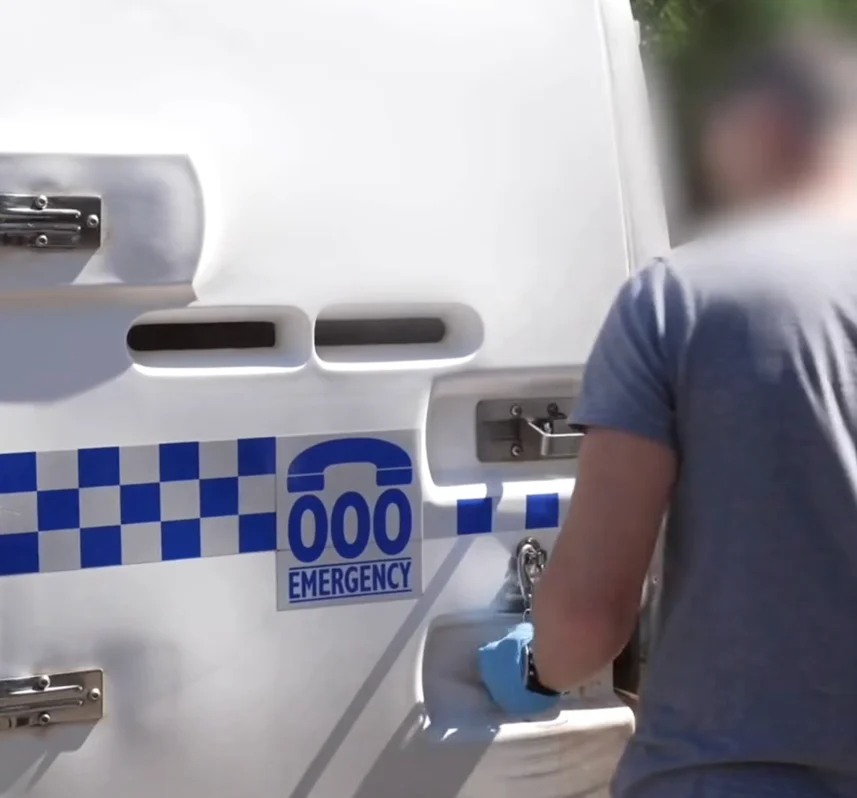
Emergency services were called about 12:15am following reports of an assault inside the hospital. The man sustained a fractured skull and remains in a critical condition in intensive care.
The accused, a 46-year-old woman, was arrested at the scene. She has been charged with wounding with intent to cause grievous bodily harm and remains in custody.
The woman is alleged to have entered the hospital and made her way into the ward outside standard visiting hours. Staff reportedly spoke with her before she continued towards the patient’s room.
Despite established visiting guidelines, hospitals of this scale receive a constant flow of visitors, with staff often accommodating people arriving at different times.
The woman was able to reach the patient’s bedside before the alleged assault occurred. Following the incident, the ward was placed under lockdown, preventing her from leaving before authorities arrived.
Details presented in court indicate the alleged attack may be linked to a personal dispute. It is alleged the woman believed the patient had taken her brother’s ashes, a claim she later repeated to police after her arrest.
Police allege the incident involved a single blow to the man’s head, resulting in a deep wound and significant injury. The patient continues to receive treatment in intensive care.
Staff Response And Review Underway
Hospital staff responded to the incident as it unfolded, with support extended to those involved in managing the situation and its aftermath.
A review into the circumstances surrounding the attack is now underway, including how the woman was able to access the ward and reach the patient while carrying the hammer.
The patient remains in critical condition as investigations continue.
A Sydney resident discovered a nest of newborn rats packed into a drawer beneath their stove this year, completely unaware the drawer was there. The find was reported by a Sydney pest controller as one of a growing number of similar cases being recorded across inner Sydney in 2026, including in Surry Hills.
A pest manager with over two decades of experience at a Sydney pest control company revealed that rodent numbers across the city remain high this year, broadly consistent with 2025 levels, which she had previously described as the worst she had seen in her career.
The pest manager noted one factor that appears distinct in 2026: pest controllers are receiving a higher number of calls from residents who have found rat nests and newborn litters inside their homes and garages, often in locations the residents had not previously inspected. In one case described, a nest filled an entire kitchen drawer with shredded insulation and rubbish, and the homeowner had been unaware the space existed.
Under favourable conditions, a single breeding pair of rats can produce hundreds of offspring in a year.
Surry Hills and the Bin Problem
Surry Hills has been identified by at least one local resident as an area where rat activity is increasing, with overflowing public bins and illegal waste dumping cited as contributing factors. Resident frustration over rubbish management across inner-city streets has been reported in recent weeks.
The City of Sydney council has said it had not seen evidence of an increase in vermin complaints in recent months.
A Long-Standing Urban Issue
Rats have been present in Sydney since European settlement, arriving with the First Fleet in 1788 via cargo holds and food stores aboard the fleet’s ships. By the early 20th century, infestations had become a public health concern serious enough to prompt government action. The 1900 bubonic plague outbreak, linked to rat-borne fleas, led to sanitation reforms across Sydney and demolition of housing in several inner-city areas, including Surry Hills and Darlinghurst.
The two species most commonly found in Sydney are the Norway rat and the roof rat. Both are well suited to dense urban environments, where food waste, ageing building stock and mild winters support year-round breeding. Rats are also present in Brisbane, Darwin, Melbourne, Perth, and parts of Adelaide and Canberra, though Sydney is regarded by experts as the most affected city in the country by a considerable margin.
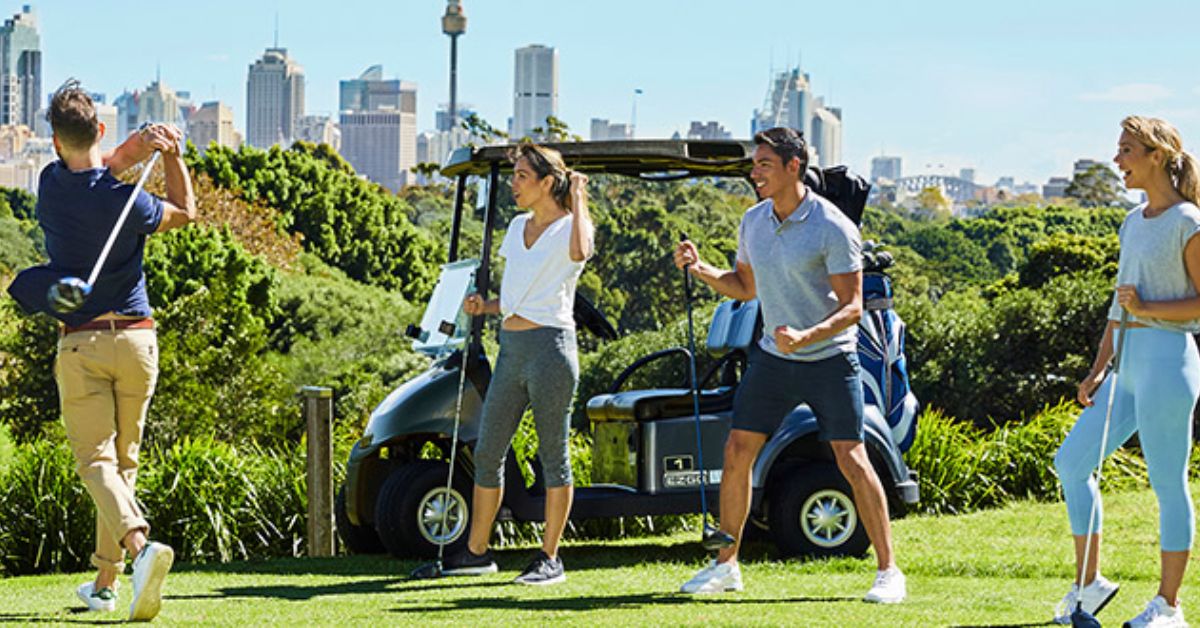
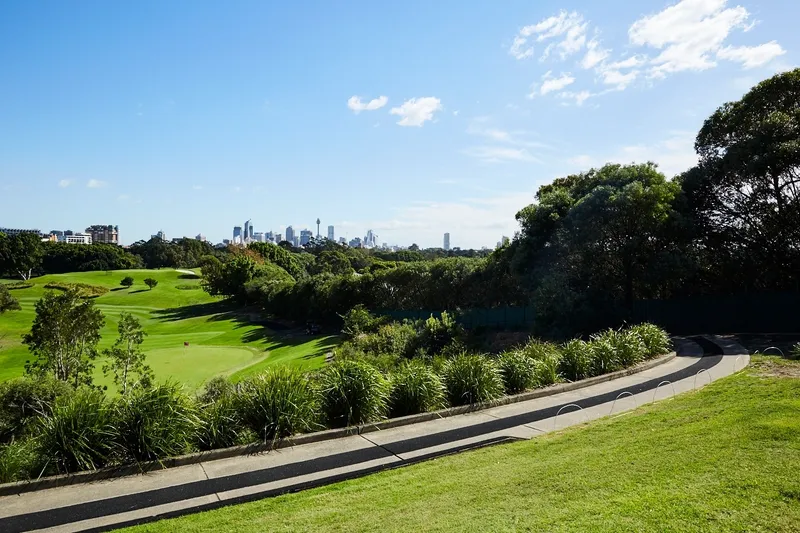
A petition calling for the full 18-hole layout at Moore Park Golf Course to be retained has attracted more than 32,000 signatures, as the deadline to shut down half the course closes in and key studies on contamination and community feedback remain unreleased.
The online campaign, launched in January and backed by Golf Australia, describes Moore Park as “a beloved Sydney treasure and Australia’s most accessible public golf course.” It is urging a reversal of the plan to strip nine holes from the course and replace them with new parkland, a plan set to take effect on 1 July when the existing lease agreement over the course expires.
A Decision Years in the Making
The Moore Park golf debate has its roots in Sydney’s shifting urban geography. When public land at Moore Park was first allocated for a nine-hole golf course in 1913, the surrounding area was predominantly industrial. The course was extended to 18 holes in 1922, and for more than a century it has operated as one of the country’s most-used public courses, recording around 100,000 rounds a year and generating roughly $7 million in annual revenue for the broader Centennial Parklands precinct.
The calculus changed as the Green Square, Zetland and Waterloo residential corridor transformed into one of the most densely populated parts of Australia. By 2041, the population within five kilometres of the Moore Park site is projected to reach approximately 790,000. Proponents of converting the nine holes to parkland argue the land’s original purpose has long been overtaken by community need.
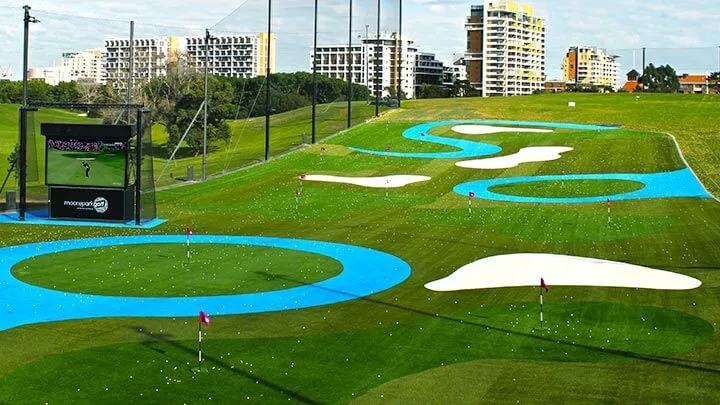
In October 2023, Premier Chris Minns announced the conversion, citing that need. The Establishment Plan, released for public comment in October 2025 and covering 20 hectares of the western portion of the course, proposes a community sports field, walking and cycling paths, exercise stations, picnic areas and a reconfigured nine-hole layout with an expanded driving range of 90 bays. The 2025-26 budget allocated $50 million for the project.
The Two Questions That Remain Unanswered
Community consultation on the Establishment Plan closed on 24 November 2025. More than four months later, no summary of that feedback has been released publicly.
Concerns are digging deeper than just the surface. The Raleigh Park Community Association has flagged the site’s dark history as a former tip and incinerator, highlighting records of infected materials dumped during the bubonic plague era. While the planning head claims preliminary checks only turned up common contaminants, comparing the site to the now popular Sydney Park, the refusal to release the full independent results is fueling local suspicion.
The lack of both reports has hit a nerve with those fighting to save the course. They argue that pushing for a July start while keeping the public in the dark on safety and feedback is a massive blow to the project’s integrity. If the site is as safe as claimed, locals are asking why the findings haven’t been front and centre.
The Counter-Proposal That Has Not Gone Away
The Moore Park Golf Collective, an alliance comprising Golf Australia, Golf NSW, the PGA of Australia and the Moore Park Golf Club, put forward an alternative proposal during the 2024 consultation period. Developed by consultancy Sport Eng, the counter-plan proposes retaining the full 18-hole course while transforming currently underused and undeveloped land within the broader precinct into recreational space, including three kilometres of running, walking and cycling paths, an adventure playground, a sports field, a skate park, a BMX track, a fitness trail and a dog park.
Golf Australia general manager Damien de Bohun said the sport’s continued growth strengthened the case for keeping the course intact. “We are absolutely clear that Moore Park staying 18 holes is the right answer. We’ll continue to work on that, and we won’t rest until that outcome is achieved,” he said.
Selling agent Clint Ballard from Sydney Sotheby’s International Realty noted the obvious: “Golf is growing and flourishing so strongly right now that it’s given us a much stronger voice in this debate.” The coalition argues the alternative plan delivers the same open space outcome without eliminating a public sporting facility that serves a city where golf participation is growing, not declining.
What Happens on 1 July
Unless the plan is reversed, works on the new 20-hectare park begin after the lease expires on 30 June. Staged openings are planned from late 2026, with full completion of the parkland conversion expected by the end of 2028. The nine-hole course and the driving range are expected to continue operating throughout the construction period, though the specifics remain subject to finalisation.
Residents and golfers wanting to track developments or lodge comment can visit the Greater Sydney Parklands website, or follow the Save Moore Park Golf campaign at savemooreparkgolfcourse.com.au.
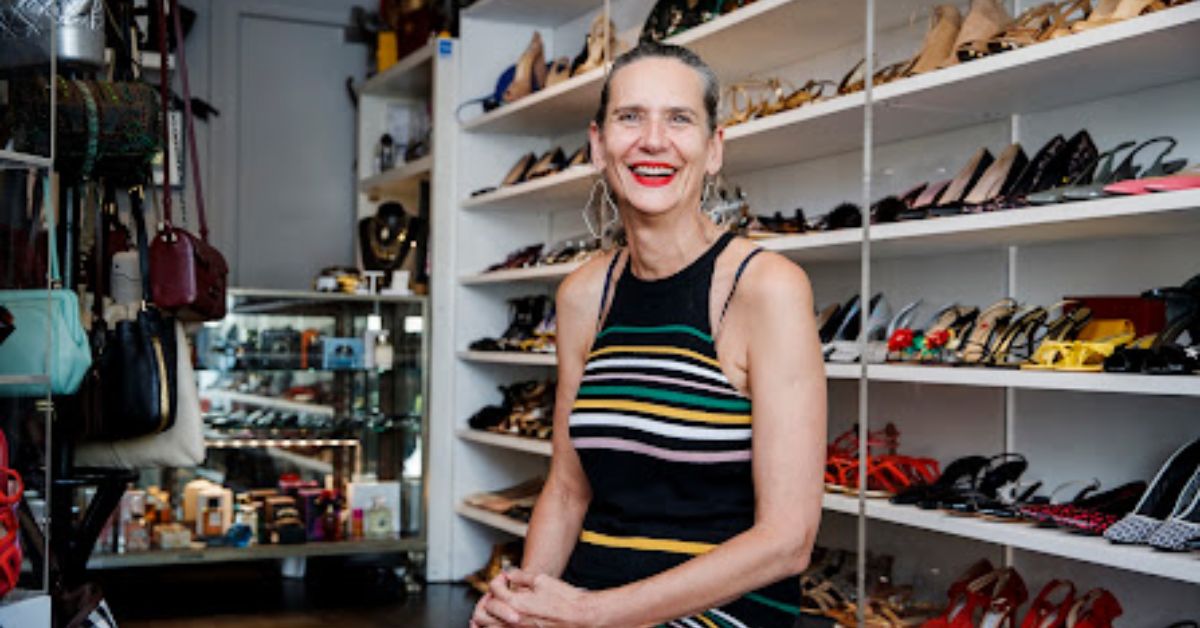
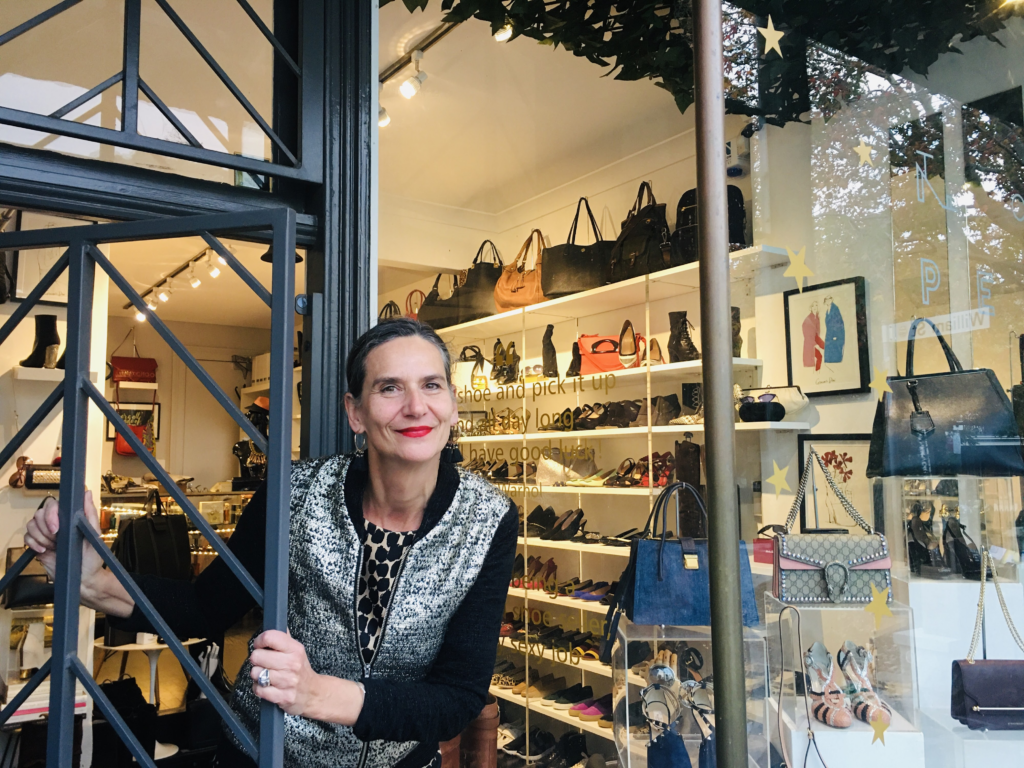
Monica Schnieper opened her pre-loved designer shoe and accessories store Pelle on William Street in Paddington in March 1996, and three decades later she is still at the same address, still hand-selecting every pair, and still drawing customers who have been visiting since childhood.
Pelle, Sydney’s first consignment shoe store, sits at 90 William Street in a Victorian terrace in one of the city’s most recognisable boutique precincts. By most measures of small retail longevity, reaching 30 years in the same location is an extraordinary feat. On a street where Ms Schnieper estimates only around three stores have lasted as long as she has, the anniversary feels significant.
The Bet That Paid Off Over Three Decades
Monica Schnieper brought a unique technical background to Sydney from Zurich, where she trained as a professional shoe repairer with Bally. When she took out the lease on the William Street terrace in 1996, she started with just one year, wary of committing too deeply to something untested. “I didn’t know if it was going to work,” she said.
It worked. And it kept working through the retail disruptions that have since reshaped the high street in ways that 1996 could not have anticipated. Online shopping ate the bottom out of the fashion market. Rents on desirable inner-city strips climbed well beyond what most small operators could sustain. The pandemic shut retail entirely for months. The post-pandemic cost-of-living pressures reduced discretionary spending. Through all of it, Pelle held its position.
Ms Schnieper credits the store’s resilience in part to its model. Pelle operates on consignment, meaning sellers bring or send photos of pre-loved designer items, and the store displays and sells them on their behalf. Stock turns over constantly, arrivals are unpredictable, and the floor on any given week might include Manolo Blahnik, Jimmy Choo, Prada or Miu Miu at a fraction of the original price. That combination of freshness and value gives customers a reason to keep coming back in person, something an online search cannot fully replicate.
“I have loved recycling from the age of eight when my grandma took me to the flea market,” Ms Schnieper said. “I fell in love with second-hand and preloved and the history of what came before me.”
That personal connection to every item in the store, developed over decades and rooted in a childhood passion, is not something easily automated or scaled.
The Street That Kept Changing Around Her
William Street has transformed considerably since Pelle opened. What was once a largely residential backstreet with only a few commercial frontages gradually became one of Sydney’s most recognised boutique precincts. It attracted independent designers and destination stores throughout the late 1990s and 2000s, then watched many of them close as rents rose and the economics of inner-city retail tightened.
Neighbouring consignment store Di Nuovo ranks among the longest-standing businesses on the strip, having preceded Pelle’s arrival by three years when it opened in 1993. The parallel is not incidental. In a retail environment where the pressure on physical stores has been relentless, it is the stores with a reason to be visited, rather than browsed online, that have proven most durable.
Ms Schnieper acknowledged the losses along the strip. Around three stores, she estimates, have lasted as long as she has at the same address.
Loyalty That Spans Generations
The customers who have sustained Pelle through three decades are not anonymous. Paddington resident and fashion auctioneer Ida Combley has been visiting the store since she was a child, brought there by her mother and aunt. “They’ve been here my entire life in the same spot,” she said. “Anyone who’s a local definitely knows about Pelle.”
That multi-generational loyalty is not something that appears quickly or can be manufactured through a marketing campaign. It accumulates over years of consistent quality, a consistently changing stock and the kind of personal service that gives a regular customer confidence in what they are buying.
Australian actresses have also sought the store out over the years, a detail that initially caught Ms Schnieper off guard. “I was very surprised at that and a bit starstruck,” she said. The celebrity patronage continues, though Ms Schnieper has settled into it with equanimity.
Treating Herself More Often Lately
Despite spending three decades surrounded by beautiful objects, Ms Schnieper said she almost never kept anything for herself. The bills come first. “When that happens, then I can treat myself,” she said, before laughing. “Lately, it’s been happening more often.”
It is, in its way, the most honest measure of a business that has finally made it through the hard part.
Visiting Pelle
Pelle Shoes is located at 90 William Street, Paddington, NSW 2021. Consignment is available by appointment or by emailing photos for appraisal. Contact the store on 02 9331 8100 or visit pelleshoes.com.au.
Waterloo was among several Sydney locations targeted in a large-scale police operation against domestic violence offenders, with coordinated enforcement leading to multiple arrests and compliance checks across the city.
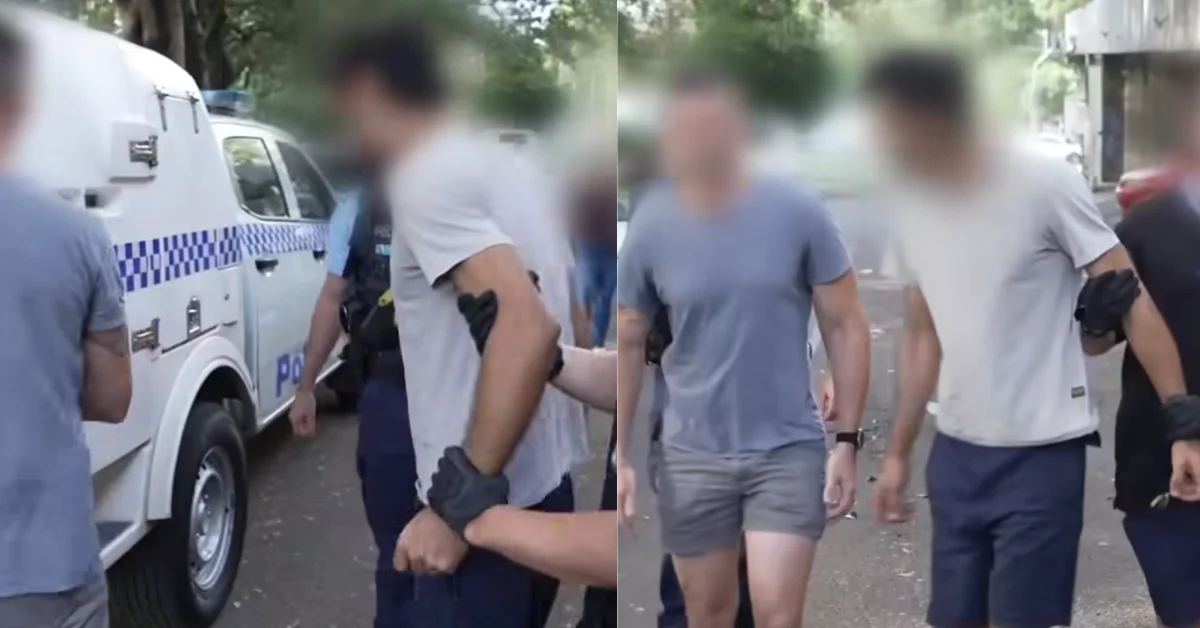
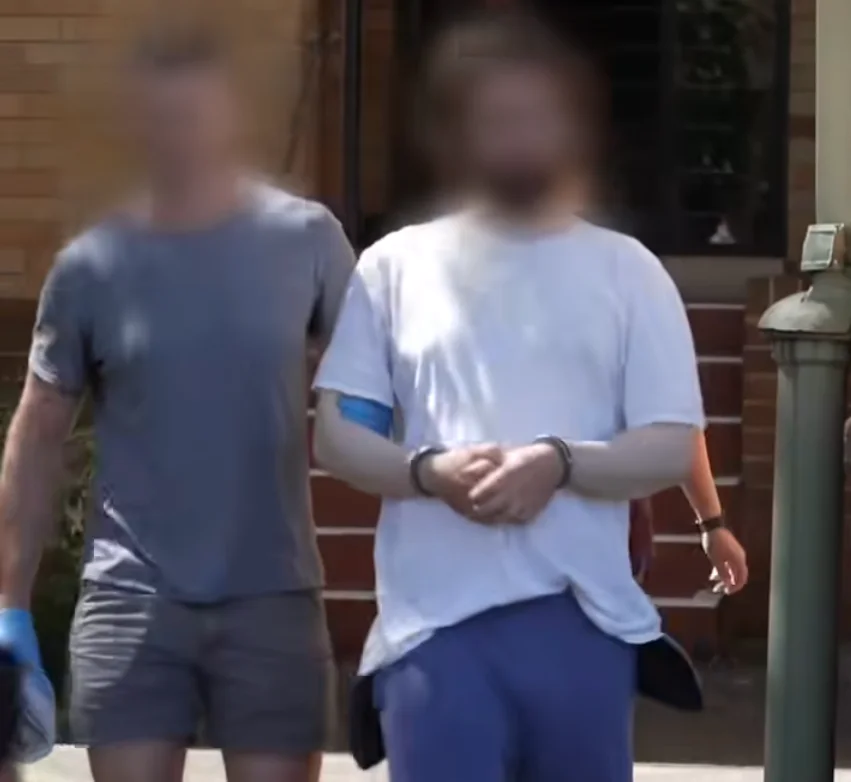
A concentrated, intelligence-led operation was carried out across Sydney’s central metropolitan region, bringing together officers from multiple commands to locate individuals linked to domestic violence incidents. Waterloo formed part of the broader sweep, which focused on executing outstanding warrants, enforcing apprehended domestic violence orders, and monitoring compliance with bail conditions.
During the operation, 18 individuals were arrested and charged with a total of 31 offences. In Waterloo, officers attended a residential address on John Street where a 37-year-old man was taken into custody for alleged breaches of a domestic violence order. The enforcement activity targeted known offenders and those already subject to legal restrictions.
Photo Credit: NSW Police Force/Facebook
High-Volume Checks Drive Early Intervention
Police carried out extensive compliance activity across the region, including more than 450 apprehended domestic violence order checks and over 220 bail compliance checks. Nine breaches were identified during these checks. Officers also conducted firearm prohibition order searches as part of efforts to prevent access to weapons among restricted individuals.
The operation focused on early intervention by identifying high-risk situations and ensuring existing legal orders were being followed. The coordinated approach allowed officers to act quickly across multiple locations using shared intelligence.
Surry Hills Among Key Locations in Operation Surge
Surry Hills was also a focal point of enforcement, with a 42-year-old man arrested and charged with several domestic violence-related offences following police action in the area. Additional arrests were made across nearby suburbs as part of the same coordinated effort.
The operation forms part of an ongoing strategy to address domestic violence through targeted enforcement and continued monitoring. Similar deployments are scheduled to take place in other metropolitan regions in the coming months.
Photo Credit: NSW Police Force/Facebook
Support Services and Reporting Pathways
Information about responses to domestic and family violence is available through official NSW Police resources online. Support services for victim-survivors can be accessed via 1800RESPECT on 1800 737 732 or through its website. Reports of domestic and family-related incidents can be made at local police stations, while emergencies require immediate contact with Triple Zero (000).
Members of the public with relevant information are encouraged to contact Crime Stoppers on 1800 333 000 or submit details online, with confidentiality maintained. Authorities advise against reporting information through social media channels.
The Surry Hills Hollywood Quarter has been included in a proposed expansion of late-night trading across Sydney, with plans to allow extended hours and potential 24-hour operations in select areas.
Surry Hills Precinct Part Of Wider Late-Night Shift
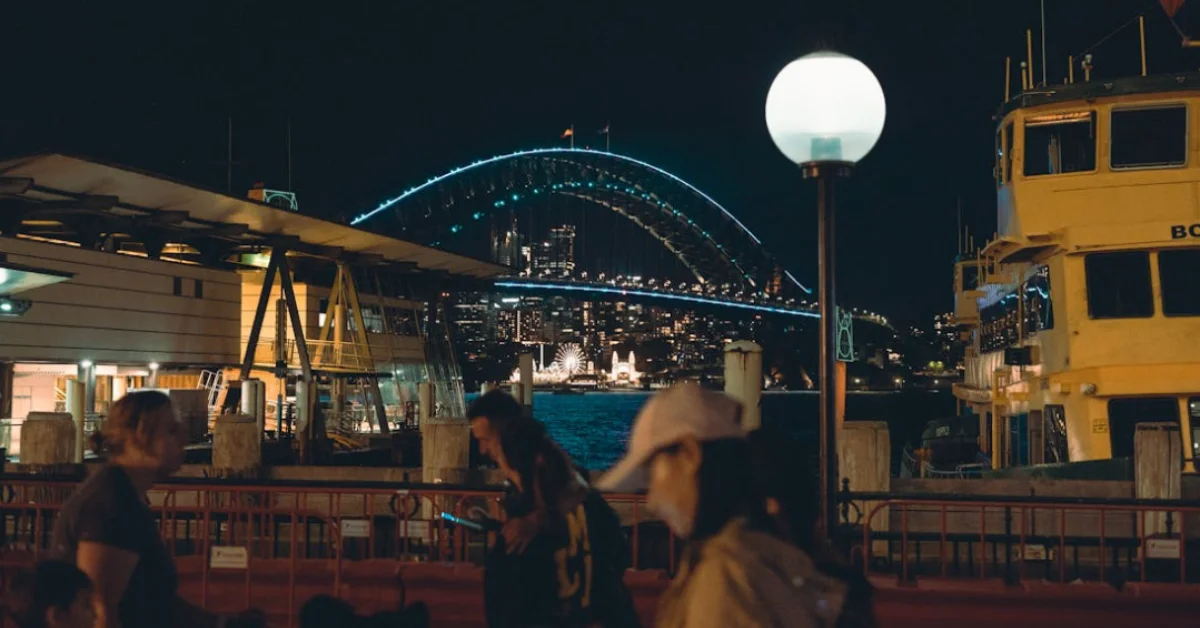
The proposal identifies the Hollywood Quarter in Surry Hills as one of several inner-city areas put forward for upgraded trading conditions. The precinct, centred around Foster and Campbell streets, is among locations that could be moved to a later trading tier.
If approved, venues within the precinct would be able to operate for longer hours, aligning with broader efforts to support nightlife activity across the Sydney CBD and surrounding areas. The changes are expected to benefit around 5,000 businesses.
Global Recognition Adds To Surry Hills Profile
Foster Street, located within the Hollywood Quarter in Surry Hills, was named one of the Coolest Streets in the World for 2024. The street placed 23rd globally, placing it alongside recognised locations in cities including Seoul, Miami and Montreal.
Together with nearby streets, the precinct forms a compact area linking Surry Hills with Central and Thaitown. The area supports a mix of dining venues, bars and cultural spaces within a walkable section of the inner city.
Photo Credit: Pexels
Expanded Precincts Across Inner Sydney
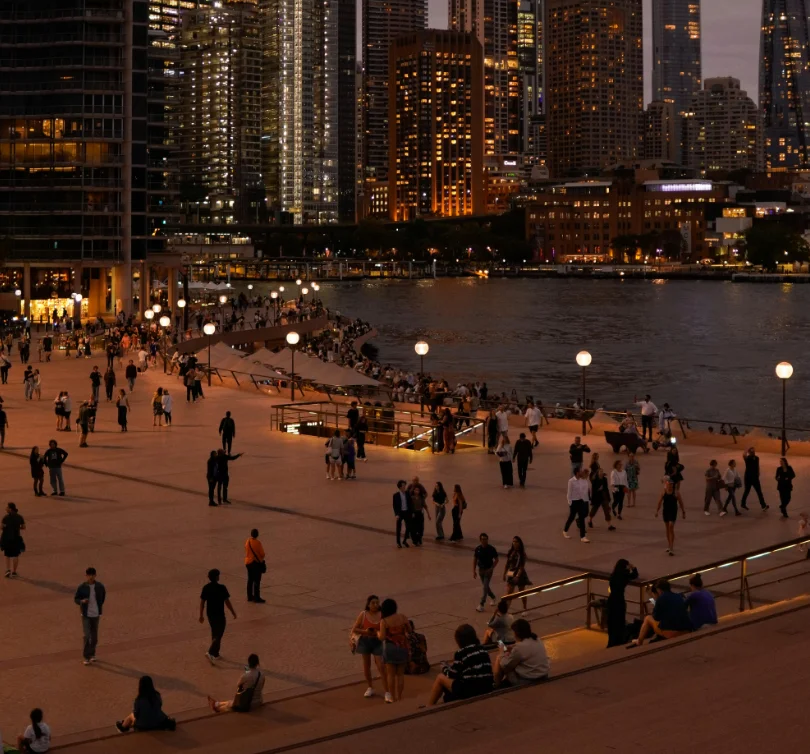
The broader proposal includes the expansion of special entertainment precincts and the introduction of new areas across the inner city. Locations such as Ultimo, Chippendale and Oxford Street are also included, alongside cultural sites including the Powerhouse Museum and The National Art School.
Other areas, including Walsh Bay, The Rocks and parts of Redfern, are also proposed for later trading classifications, allowing businesses to remain open longer under adjusted conditions.
Measures Aim To Balance Activity And Surroundings
The proposal includes tailored sound settings based on time and location, following acoustic testing across affected areas. Community feedback has informed the inclusion of new precincts and adjustments to trading hours in selected locations.
Further consultation is expected as the proposal moves through approval stages, with the changes forming part of a broader effort to support night-time activity while maintaining
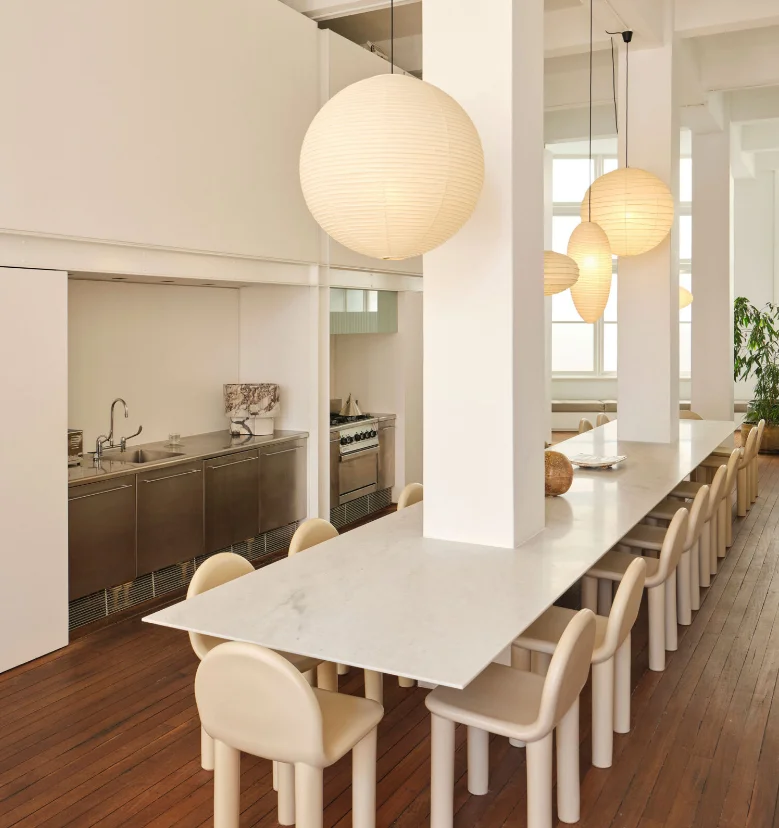
The Second is located on the second floor of the Edwards & Co building on Foster Street in Surry Hills. The heritage-listed structure was formerly used as a tea factory and now contains five whole-floor apartments.
Photo Credit: The Second
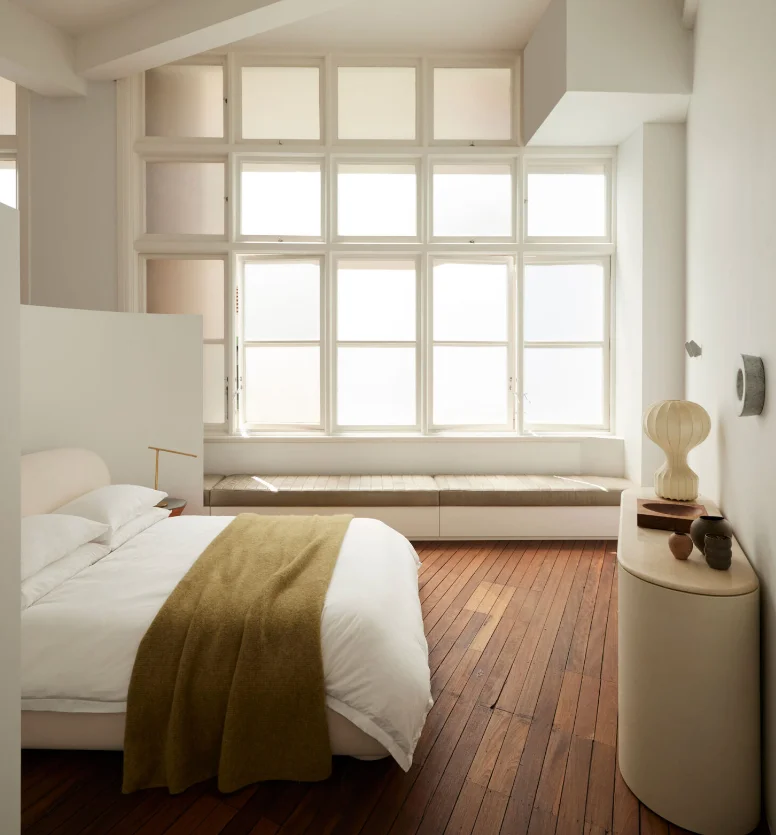
The apartment spans 275 square metres and includes three bedrooms arranged across different levels. A bedroom is positioned on the lower level, while additional rooms are located on a mezzanine.
The interior layout includes five-metre-high ceilings, floor-to-ceiling windows, and lift access that opens directly into the main living area.
Photo Credit: The Second
Interior Defined By Mixed Design Influences
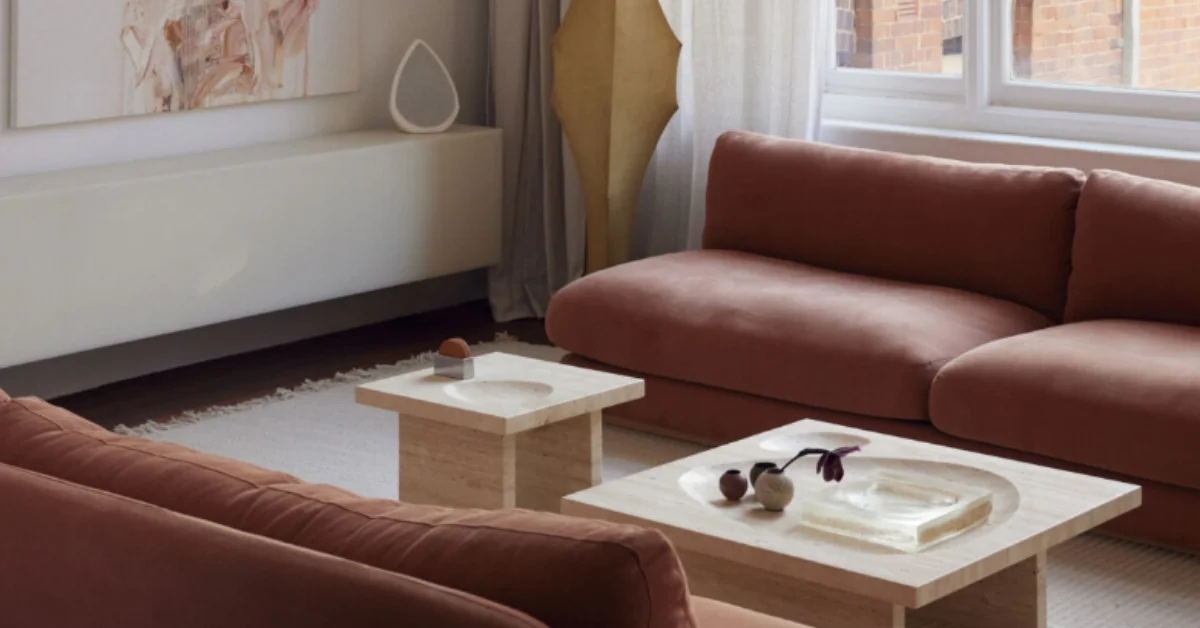
The space incorporates a mix of vintage and contemporary pieces, bringing together works by Australian and international designers and artists. Identified contributors include Tom Fereday, Jorna Newberry, Tanika Jellis, Ellison Studios, Sophie Vaidie, Chen Ping, Louise Roe and Henry Wilson, alongside a curated selection from Studio Gardner.
Photo Credit: The Second
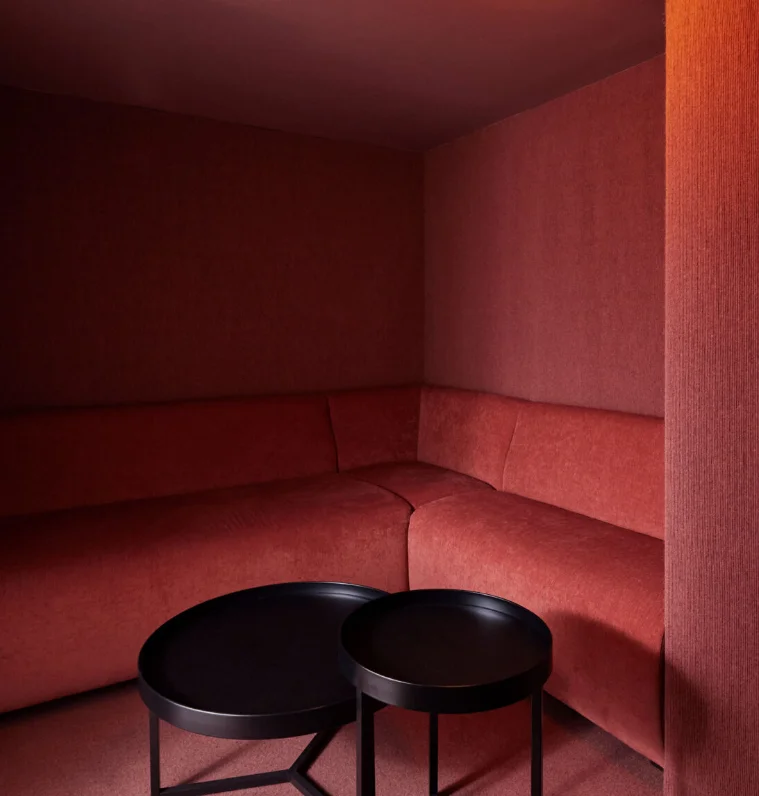
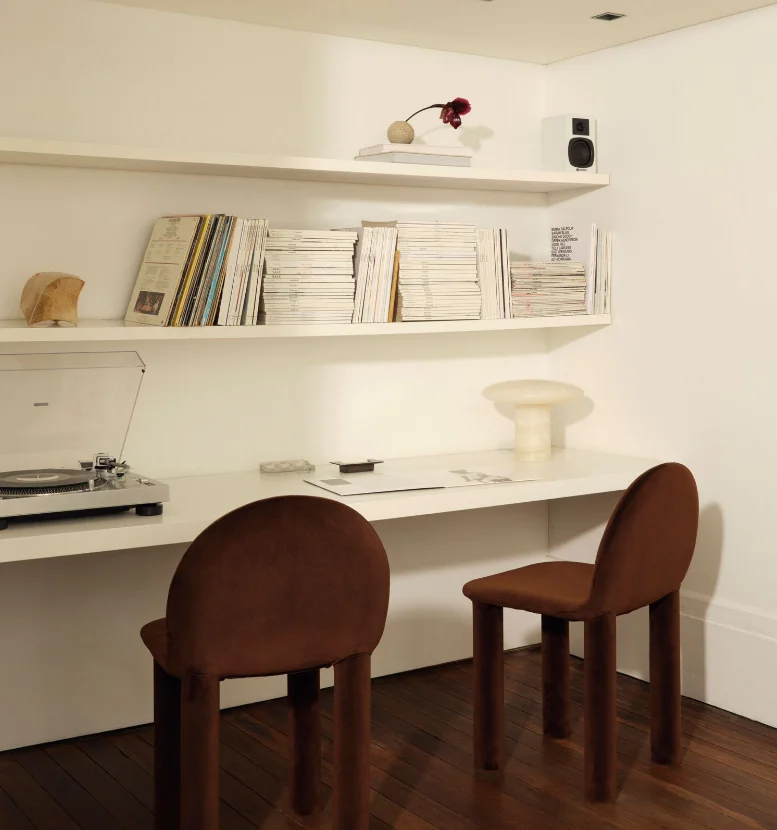
A dining area is positioned at the centre of the apartment, supported by a stainless-steel kitchen designed for cooking and hosting. Other features include a media room created from a former warehouse safe and a study nook with a shared library concept where guests may leave books.
Photo Credit: The Second
Surry Hills Location Near Established Dining
The apartment is situated in Surry Hills, within proximity to a range of established dining venues. Locations identified nearby include 40 Res, Pellegrino 2000, Nomad and Kiln at Ace Hotel, along with AP Bakery and Single O.
The Second operates as both short-term accommodation and a creative residency. The space is used by established and emerging artists and designers as a place to stay and work.
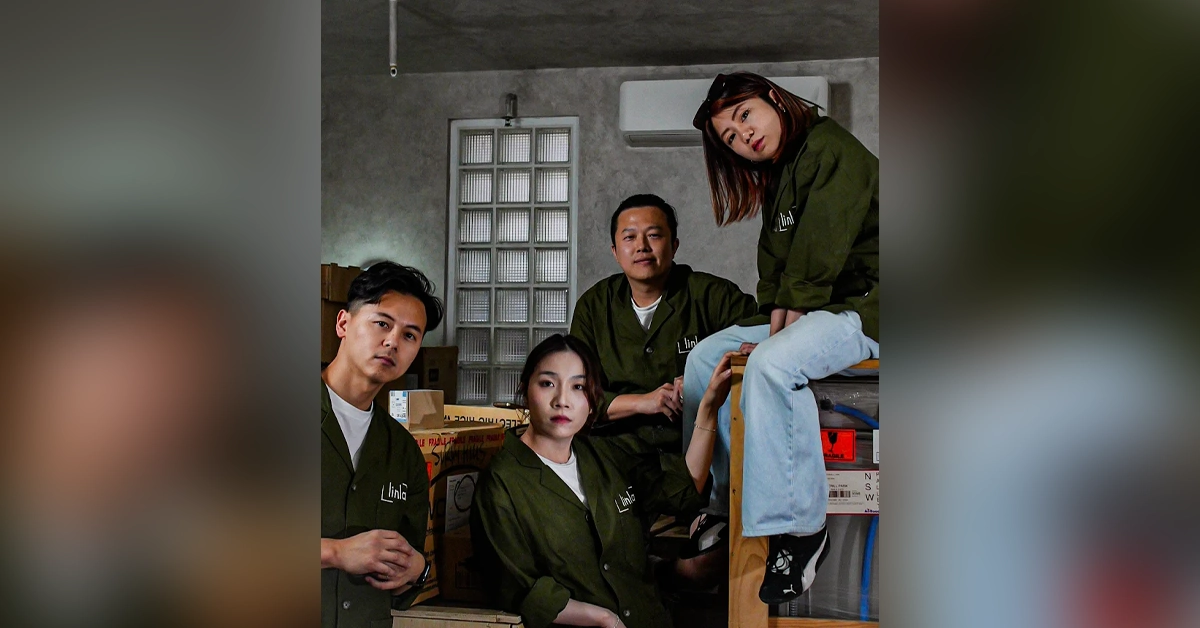
Linla, a new Taiwanese-inspired social bar, opened in Surry Hills in March 2026 at the former home of Dead Ringer on Bourke Street. The venue is the latest project from Taiwanese-born restaurateur and mixologist Charles Chang, who also operates Moku, a Japanese fusion bar next door.
The name comes from a Taiwanese dialect phrase referring to the clinking sound made during a toast. Chang has said the concept was not built around a single culture or cuisine, but rather around the shared experience of raising a glass together, describing that moment as the foundation of the entire space.
The Space
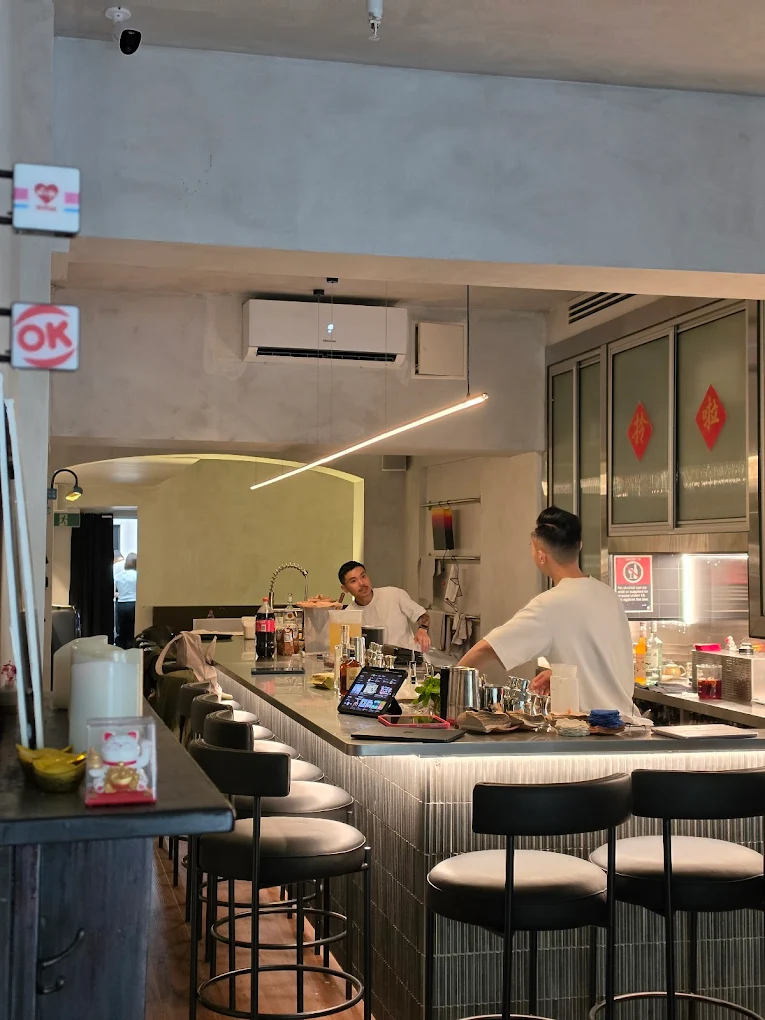
Photo credit: Google Maps/張正毅
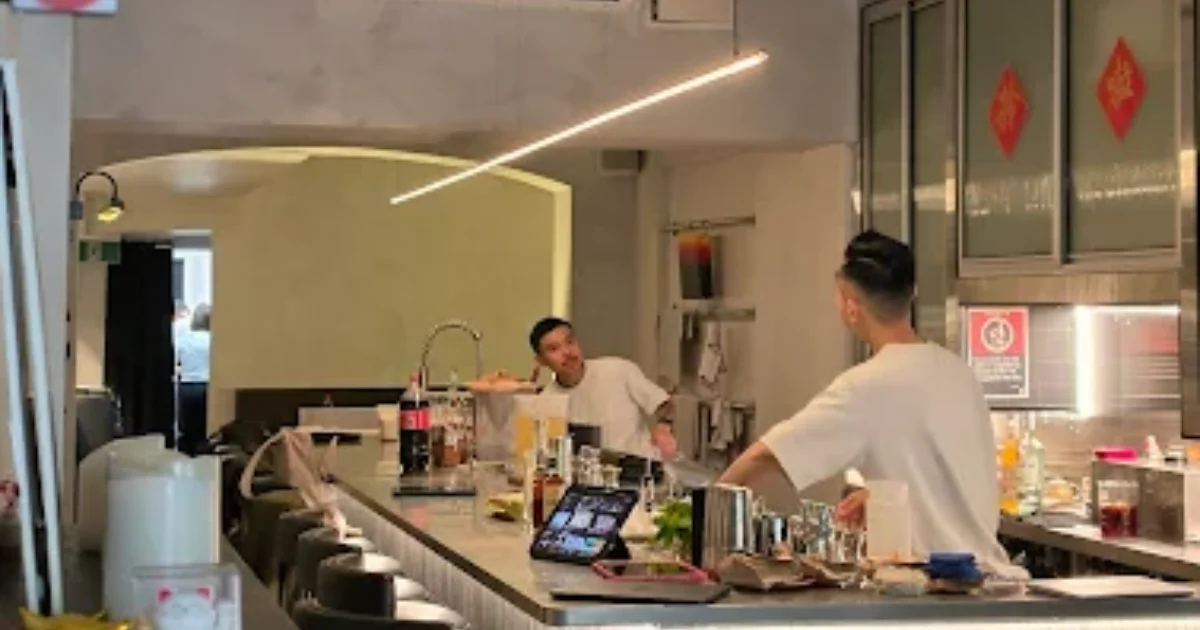
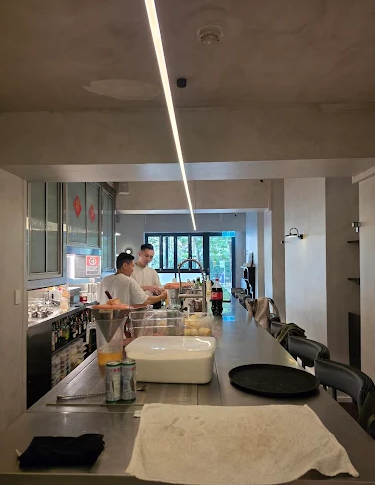
Linla occupies a converted Victorian terrace and seats up to 32 across a two-sided dining room, including bar seats. The fit-out includes ivory walls, walnut finishes and amber leather banquettes alongside a stainless-steel bar. A raised sandstone balcony overlooking Bourke Street seats an additional 20. The venue also has a bespoke theme song, blending contemporary layers with subtle Asian textures.
The Food
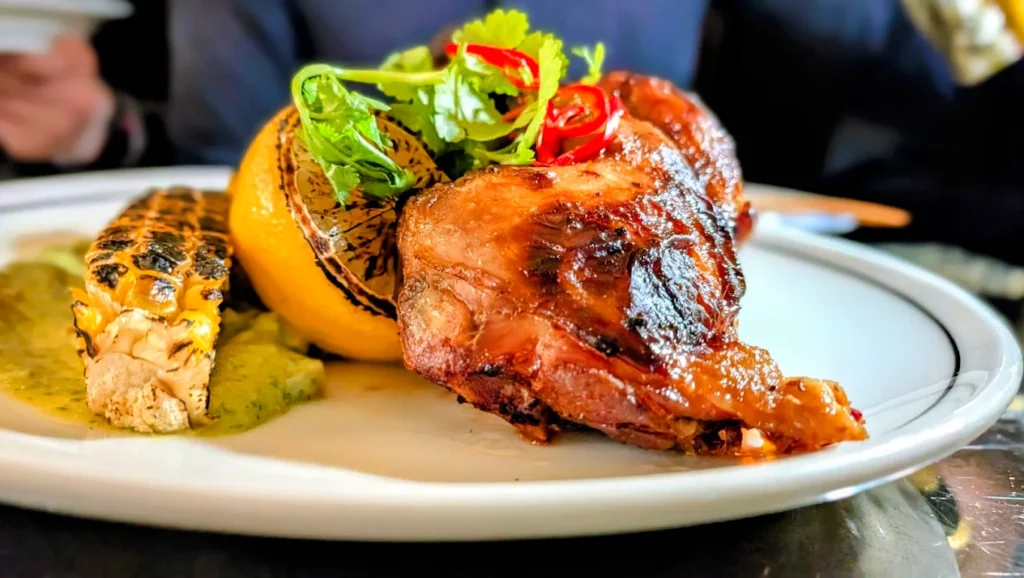
Photo credit: Google Maps/Deniz O
Head Chef Montien “James” Thipwongsa leads the kitchen. His background is in Thai cooking, and the menu draws from across Asia. Current dishes include Night-Market Crispy Chicken with Szechuan seasoning and basil; Wagyu Beef Tartare with scallion pancake and yuzu olive oil; Pork and Prawn Wontons in Tom Yum Beurre Blanc; Cha-Cha-Cha Half Chicken with avocado salsa and fermented chilli oil; and Sticky Rice Arancini stuffed with Taiwanese sausage. The menu is structured around share plates.
The Drinks
Photo credit: Google Maps/Corentin Falzon
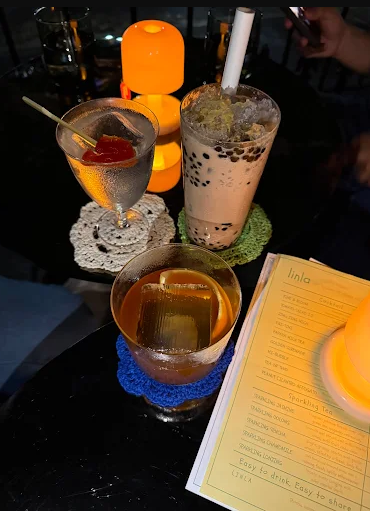
Chang’s cocktail list includes the Pine & Bloom, which pairs pineapple mead with MSG saline; the Ebi-Tini, made with sakura ebi shochu and sencha; and a Tomato Salad 2.0, a tequila-based cocktail. For non-drinkers, Linla offers a sparkling tea program across jasmine, oolong and chamomile infusions, as well as house-made non-ABV sodas.
An adjoining private dining room hosts a six-seat omakase experience run by Moku’s chef Ha Chuen Wai. The format is multi-course and seasonal, available by reservation only.
Linla has indicated plans to host guest chef residencies, bartender takeovers and seasonal collaborations following its launch.
Linla is at 413 Bourke Street, Surry Hills. Open Tuesday to Sunday from 5:30pm until 12am. Bookings vialinla.com.au
Hyper Karting, a 410-metre electric go-karting circuit perched on the fifth level of the Entertainment Quarter’s multi-storey car park in Moore Park, is fighting for its survival after the City of Sydney refused to extend its operating approval.
The venue, which has welcomed more than 500,000 visitors since opening in 2021, applied for a two-year extension ahead of its original five-year temporary approval expiring this year. Local planners knocked it back, saying the exclusive use of on-site parking spaces for a commercial activity would have an unacceptable impact on parking availability in the precinct.
The refusal puts more than 150 jobs at risk and has drawn criticism from the venue’s operators and its leaseholder, with the Lord Mayor also weighing in on the decision.
The parking problem
Photo credit: Google Maps/Matthew Brener
The council’s position is based on an anticipated shift in Moore Park’s parking landscape. Under NSW legislation, large sections of on-grass overflow parking around Allianz Stadium and the Sydney Cricket Ground are being phased out. Lower Kippax grass parking is scheduled to close by July, with the Hordern Pavilion grass area to follow by 2028.
The karting track currently occupies 298 spaces within the Entertainment Quarter’s 2,003-space car park. Local planners argued those spaces will soon be needed to compensate for the loss of surrounding parking capacity.
Hyper Karting disputed that reasoning, pointing to Transport for NSW data suggesting the Entertainment Quarter car park has reached full capacity only a handful of times across 84 major events since Allianz Stadium reopened in 2022. The Entertainment Quarter’s leaseholder, Carsingha Investments told the council the track had transformed an underused area of the car park into a vibrant destination without generating a single noise complaint.
On social media, some locals have echoed scepticism about the parking argument. One commenter on a Reddit thread observed that the car park is already severely congested when leaving major events, and questioned whether one additional level of parking would make any meaningful difference to event-day traffic.
Photo credit: Google Maps/M L
Lord Mayor Clover Moore noted in a social media post that under NSW local laws, elected councillors must delegate development assessment decisions to professional planning assessors, with limited exceptions, meaning she had no say in the refusal.
She acknowledged the original approval was granted on the understanding the space would be returned to parking once on-grass areas were reclaimed for recreational use, but added that extending the operation of a popular attraction rather than making way for car parking spaces aligned more closely with her vision of a city for people.
What happens next
Hyper Karting has lodged a formal review of the decision and will continue operating in the meantime. The managing director has not ruled out taking the matter to the NSW Land and Environment Court if the review is unsuccessful.
The dispute comes as NSW seeks proposals to transform the 11-hectare Entertainment Quarter site into a year-round hospitality, events and culture destination. Premier Chris Minns has acknowledged the precinct, located 3.5 kilometres from the CBD, has historically struggled to sustain activity outside major sporting events.
Operators and the leaseholder argued the decision to close one of the precinct’s busiest attractions runs counter to that ambition.
A City of Sydney spokeswoman said the refusal reflected the car park’s intended purpose, and that a further extension was not considered orderly development.
Linla Surry Hills, a Taiwanese social dining bar, has quietly opened its doors at 413 Bourke Street — the address many locals will recognise as the former home of beloved neighbourhood bar Dead Ringer, which has since permanently closed. The new venue is the latest project from Taiwanese-born Sydney restaurateur and mixologist Charles Chang, who also runs the Japanese fusion restaurant Moku next door.
The name is deliberate. In Taiwanese dialect, “linla” evokes the sound and feeling of friends raising their glasses in a toast — that brief, warm moment of connection before the first sip. It’s a concept Chang has built the entire venue around, from the share-style menu to the late-night licence that keeps the doors open until 1am Tuesday through Saturday.
Chang is no stranger to the Sydney hospitality scene. A former Top 100 finalist in the Diageo World Class Competition — one of the most prestigious cocktail competitions in the world — he has brought that technical background to Linla’s bar programme, designing a cocktail list that is approachable without sacrificing depth. Signatures include the Pine and Bloom, made with pineapple mead, elderflower, dry vermouth, and MSG saline; the Tomato Salad 2.0, combining tequila, tomato, ume salt, and ginger soda; and the MI-Bubble, a cocktail reimagining of bubble tea. There’s also the Jing Jing High with Long Jing gin and calamansi, and the Ebi-Tini, made with Sakura ebi shochu and sencha.
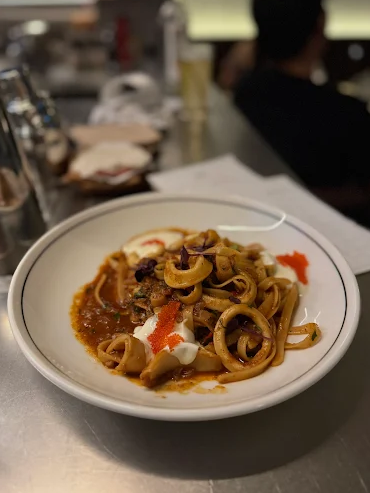
In the kitchen, Head Chef Montien Thipwongsa — whose love of cooking first took root in his grandmother’s kitchen and is shaped by Thai flavour traditions — leads a pan-Asian share menu that moves freely across culinary borders. Standouts include the night-market crispy chicken with Szechuan seasoning, garlic chips, and basil; the Cha-Cha-Cha half chicken with corn ribs, avocado salsa, and fermented chilli oil; and wagyu beef tartare with scallion pancake, yuzu olive oil, and golden pickle. Other dishes span pork and prawn wontons in tom yum beurre blanc, XOXO calamari fettuccine with XO sauce, and sticky rice arancini with Taiwanese sausage and house-made salted radish.
For dessert, the kitchen offers a fairy bread bao with vanilla ice cream and a miso dulce de leche with kinako honeycomb, calamansi jelly, and chocolate — a nod to both Asian flavour profiles and familiar Australian nostalgia.
The space itself, developed in collaboration with D Design Office, features French white-washed walls, timber finishes, and banquette seating, with a contemporary stainless steel bar taking centre stage. Alfresco seating opens out to the street, giving the venue a sociable, neighbourhood feel from the outside in. The music plays a considered role too, drawing from the intimacy of listening bars and featuring a signature Linla theme song that blends contemporary sounds with Asian-influenced textures.
Tucked alongside the main dining room, a private space serves as the permanent home for Moku chef Ha Chuen Wai’s omakase experience. The multi-course, chef-led tasting menu — built around seasonal ingredients and limited to six guests per sitting — runs on Wednesdays and Thursdays, with weekend sessions available for private bookings. Guests are asked simply to trust the chef; the rest is taken care of.
Chang has indicated Linla will host guest chef and bartender collaborations, seasonal menu changes, and community events — continuing a format already established at Moku. Lunch service is also planned for the near future.
Linla is open Tuesday to Saturday from 5.30pm to 1am at 413 Bourke Street, Surry Hills.