




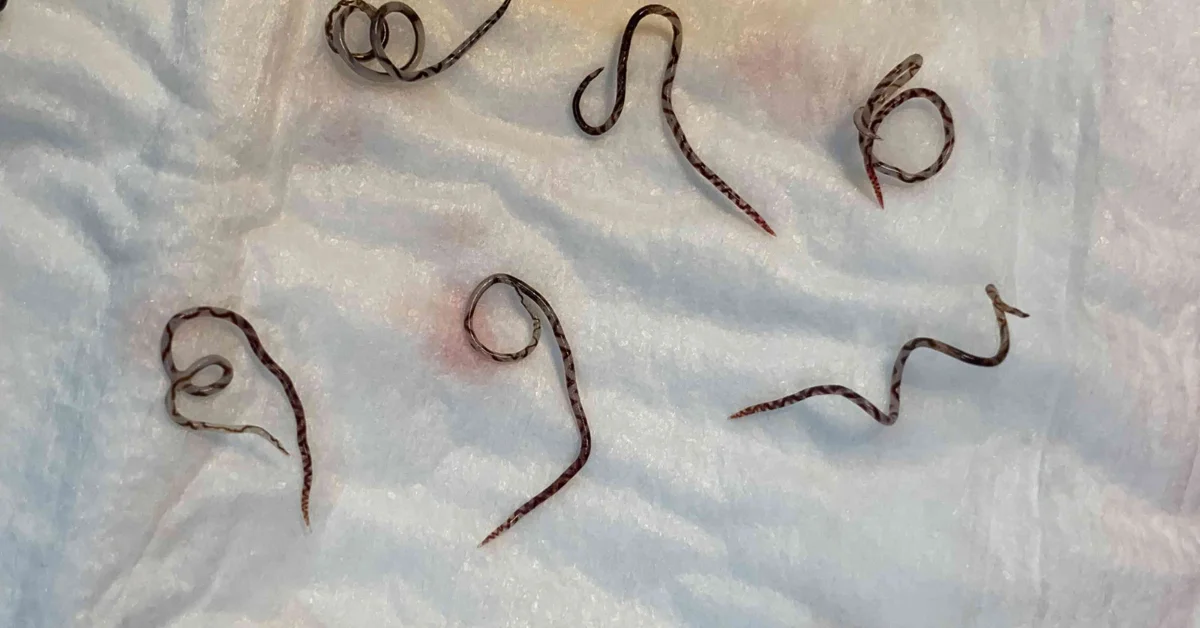
Veterinary researchers in Camperdown have identified climate patterns as a key factor behind rising cases of rat lungworm disease in domestic dogs across eastern Australia.
Climate Patterns Drive Disease Risk
A recent study from the University of Sydney in Camperdown has linked the emergence of rat lungworm disease in dogs to increased rainfall and environmental conditions favourable to slugs and snails. The disease, caused by a parasite hosted by rats and transmitted via snails or slugs, has seen a significant rise in reported cases over a five-year period.
Data analysed between 2020 and 2024 confirmed 93 cases of canine neural angiostrongyliasis, the highest number recorded in 2022. The findings were published in The Journal of Infectious Diseases.

Disease Transmission and Health Concerns
Rat lungworm disease, formerly known as neural angiostrongyliasis, is caused by the parasite Angiostrongylus cantonensis. It is spread when dogs ingest infected snails or slugs. Once inside the host, the parasite travels to the brain. This causes inflammation and neurological symptoms.
Dogs affected may experience hind leg paralysis, confusion, or spinal pain. If left untreated, the condition can result in permanent damage or euthanasia. While rare in humans, the disease has resulted in at least two known fatalities in Australia. This includes a well-known case involving a Sydney man in 2010.
Cats appear unaffected, but the disease poses a growing concern for dog owners and public health.
Environmental and Climatic Drivers
The spike in disease cases coincided with a La Niña event. This brought unusually high rainfall across Brisbane and Sydney. Researchers observed a strong correlation between wet weather and increased slug and snail activity.
Findings from the Camperdown team suggest that climate events lead to environmental “priming.” Vegetation and garden activity contribute to a rise in parasite-hosting molluscs.
The invasive parasite, introduced to Australia post-World War II from Southeast Asia, was first recorded in Brisbane in the 1990s and in Sydney in the early 2000s.
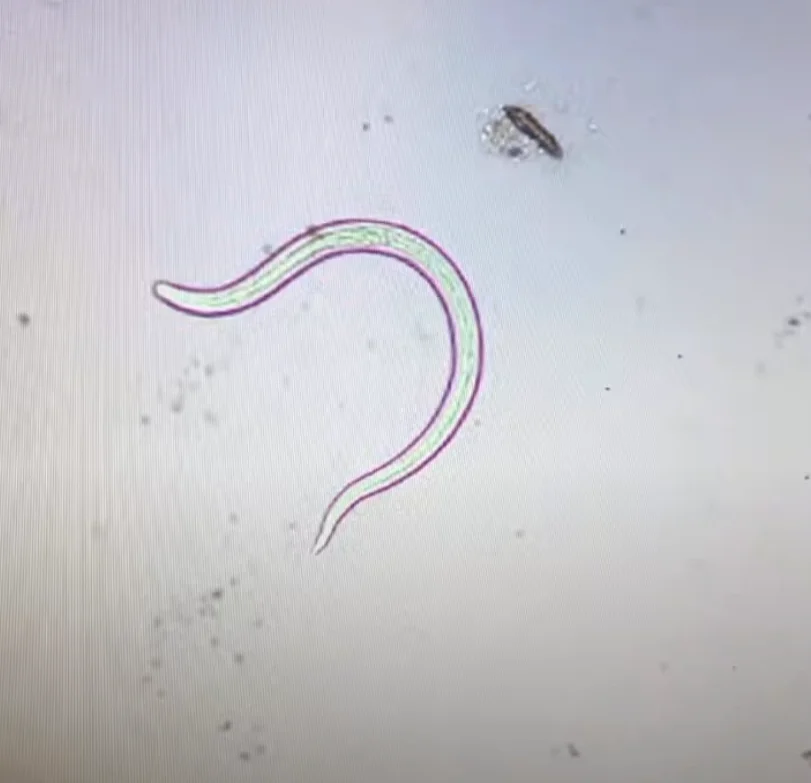
Monitoring and Early Detection
Researchers stress the importance of early detection and treatment. Symptoms in dogs may take weeks to emerge. Veterinary attention during the early stages remains crucial. Preventive advice includes supervising pets outdoors, washing outdoor water bowls, and removing snail and slug habitats from backyards.
More identified cases in areas such as Sydney and Brisbane have been linked to strong veterinary access and pet ownership rates, though underreporting in other regions remains a concern.
Next Steps and Recommendations
The study supports a One Health approach, acknowledging the interconnectedness of animal, human, and environmental health. Further monitoring of disease spread and mollusc populations is recommended.
Researchers urge targeted awareness efforts for pet owners. Public education on preventing contact with infected slugs and snails may help curb further transmission.
Published 20-June-2025