



Darlinghurst Scientists Capture Hidden Immune Cells Attacking Melanoma 

Inside a melanoma tumour, immune cells once known mainly for cleaning up cellular debris have been filmed doing something far more active: attacking and engulfing live cancer cells. In Darlinghurst, the discovery is giving researchers a clearer view of how the body may naturally hold melanoma back. 


Darlinghurst Scientists Capture A Hidden Immune Response

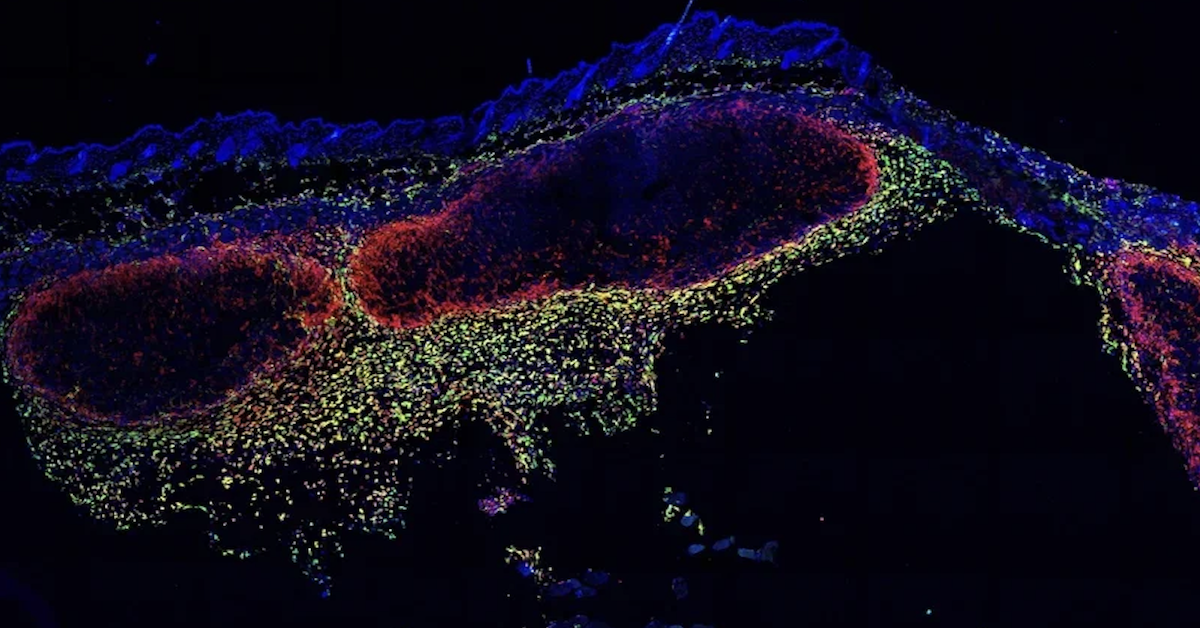
Under powerful imaging, melanoma cells appeared in pink while immune cells gathered around them in green and yellow. The footage showed a rarely seen biological encounter: macrophages moving against live cancer cells, surrounding them and engulfing them.

The discovery was made by scientists Dr Yuki Keith and Professor Tri Phan at the Garvan Institute of Medical Research and UNSW Sydney, who captured macrophage immune cells attacking live melanoma cells in real time. The findings, published in the Journal of Experimental Medicine on 22 May 2026, reveal a previously overlooked group of immune cells that may help restrain tumour growth.

Macrophages have long been known for clearing away dead cells and debris. In this research, however, a specific group known as CD169-positive macrophages appeared to take a more active role. Positioned along the edges of melanoma tumours, they were observed consuming live cancer cells and helping slow tumour growth.

A Closer View of Melanoma’s Edge

The research focused on the tumour margins, where cancer cells meet the surrounding immune environment. Macrophages can make up as much as 30 per cent of the cells inside a melanoma tumour, yet their role in cancer has not always been clear.

Rather than treating all macrophages as the same, the team identified one subpopulation marked by the CD169 protein. When these CD169-positive macrophages were specifically depleted, tumours grew larger. That result indicated that this group was helping contain the melanoma.

Using intravital two-photon microscopy, an advanced method for watching biological processes inside living organisms, researchers observed the CD169-positive macrophages physically engulfing live melanoma cells in mice.

The team also examined human tissue to test the relevance of what had been captured on camera. The same macrophages were found in healthy human skin and were enriched around the margins of human melanoma tumours. Melanoma biopsy samples were provided and analysed by Melanoma Institute Australia.
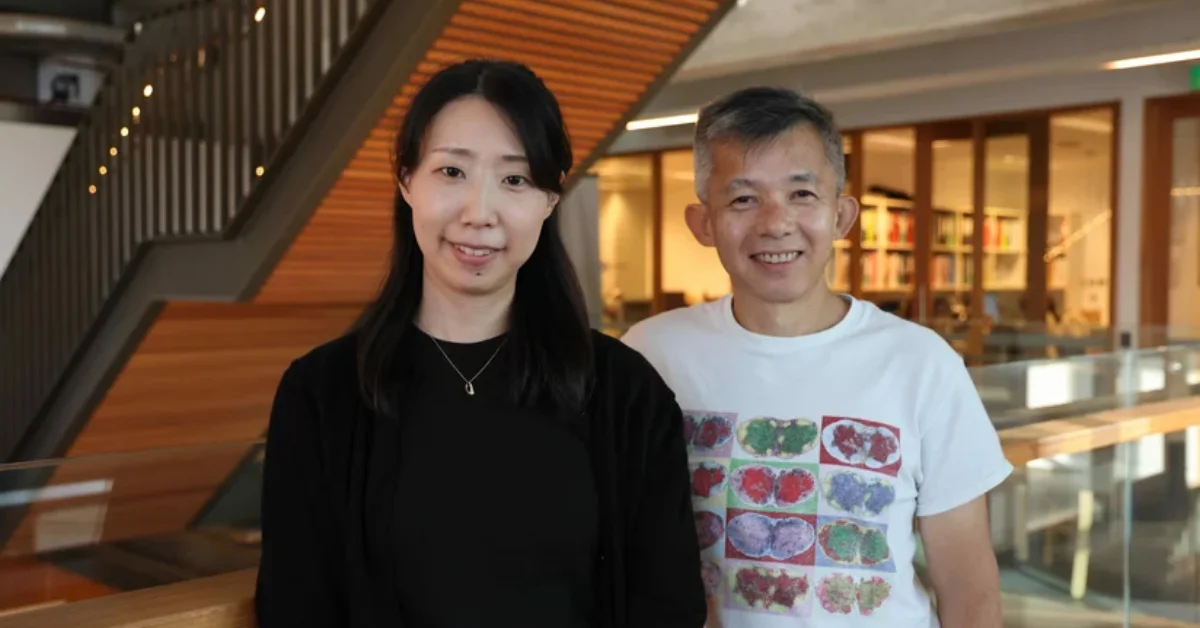
Authors of the research, Dr Yuki Keith and Professor Tri Phan
Photo Credit: Garvan Institute of Medical Research

Why The Discovery Could Matter for Treatment

The Darlinghurst research does not represent a new treatment, but it points to a possible pathway for future cancer research.

Immunotherapy has changed treatment for advanced melanoma, but it does not work for every patient. Immune checkpoint blockade therapy depends heavily on T cells finding and destroying cancer cells, yet only about half of patients respond.

One barrier is the immune “cold tumour”, where T cells are effectively kept out of the tumour. The newly observed macrophages may help researchers understand another part of the immune response because their attack appeared to happen independently of T cells and B cells.

Researchers suspect the macrophages may also help signal to the wider immune system after consuming cancer cells. The next stage of the work is to understand how CD169-positive macrophages communicate with T cells.

Future treatment research could involve finding ways to increase the number of these macrophages, make them more active, or improve their ability to mark cancer cells for destruction. The work may also have relevance beyond melanoma because macrophages are common in many solid tumours.

A Discovery With Human Stakes

Australia has one of the world’s highest melanoma burdens, with almost 20,000 people diagnosed each year and about 1300 deaths annually.

For Anne Gately, a 60-year-old mother of two, melanoma returned years after it was first removed from her back and later spread through her body. After receiving an immunotherapy drug, she was in remission within 97 days.

Her experience reflects why researchers are trying to improve the reach and effectiveness of immunotherapy, particularly for patients who do not respond to current options.


The discovery in Darlinghurst gives scientists a closer look at the body’s own defences at work. It shows that a group of immune cells once viewed largely as cleaners may also be active participants in restraining melanoma, offering a possible direction for future treatments that help the immune system respond more effectively.

Published 25-May-2026

Norway’s Future Queen Steps Into Public View in Surry Hills

A future queen of Norway spent Sunday morning walking through Surry Hills beside schoolchildren, families and community groups, as Princess Ingrid Alexandra made her first official public appearance in Australia since moving to Sydney for university last year.


The 22-year-old royal joined celebrations on 17 May for Norway’s Constitution Day at Harmony Park, where hundreds of people gathered wearing traditional bunads, waving Norwegian flags and sharing cakes and traditional food during the community celebration. The event marked the princess’ first national day celebration away from Oslo, where members of the Norwegian royal family usually greet crowds from the Royal Palace balcony.

A Sydney Suburb Becomes the Centre of Norway’s National Day

The celebration drew members of Sydney’s Norwegian community, many arriving early to take part in a parade through Surry Hills before speeches from organisers and diplomats. NSW Governor Margaret Beazley attended the gathering alongside Princess Ingrid Alexandra, while Norway’s ambassador read a message from King Harald V and Queen Sonja recognising the overseas celebration.

Children waited patiently to greet the princess after the parade, with families lining pathways through Harmony Park for photos and short conversations. One young girl wearing a bunad that had been passed through several generations of her family spoke with Ingrid Alexandra about school and sport during the event. Community members described the day as a chance to celebrate Norwegian identity far from home rather than focusing on royal ceremony.

The princess moved through crowds with little separation from attendees, stopping to shake hands and speak with families throughout the morning. Photos and social media clips from the event later drew attention online in both Norway and Australia following the celebration.

Life at the University of Sydney

Princess Ingrid Alexandra has been studying politics and international relations at the University of Sydney since 2025 after relocating from Norway for her degree. She has been living at St Andrew’s College near the university’s Camperdown campus.

Since arriving in Australia, the princess has largely remained out of public view. Her appearance in Surry Hills drew attention because she has rarely been seen publicly in Sydney since arriving for her studies. Several attendees said Sydney appeared to offer the princess a more private student experience than Norway, where media attention surrounding the royal family remains strong.

The princess is the eldest child of Crown Prince Haakon and Crown Princess Mette-Marit and is second in line to Norway’s throne after her father. Her move to Australia attracted international media attention because few European heirs study overseas while continuing royal duties.

Photo Credit: Royal Court of Norway

Families and Traditions Filled Harmony Park

The event combined cultural celebrations with the princess’ public appearance. Long tables filled with waffles, cakes and coffee sat beside community stalls, while children carried Norwegian flags through the park. Older members of the community wore embroidered bunads representing different parts of Norway, with some garments passed down through families over decades.

Social media footage shared by attendees showed crowds surrounding the princess after the formal parade ended, with parents lifting children for photos and short greetings. The event included music, cultural activities and community participation alongside formal proceedings.

Several people attending the gathering told Australian media the celebration was centred on togetherness and maintaining cultural ties while living abroad. Some attendees declined to discuss public scrutiny surrounding the Norwegian royal family and instead focused on the community celebration.

The Sydney appearance differed from larger formal royal events commonly held in Europe. Instead of palace guards and formal receptions, the Sydney celebration placed the future queen among university students, young families and migrants gathered in a suburban park.


Published 20-May-2026

Massive Sydney Basement Discovery Puts Commercial Kitchen Gear Up for Auction

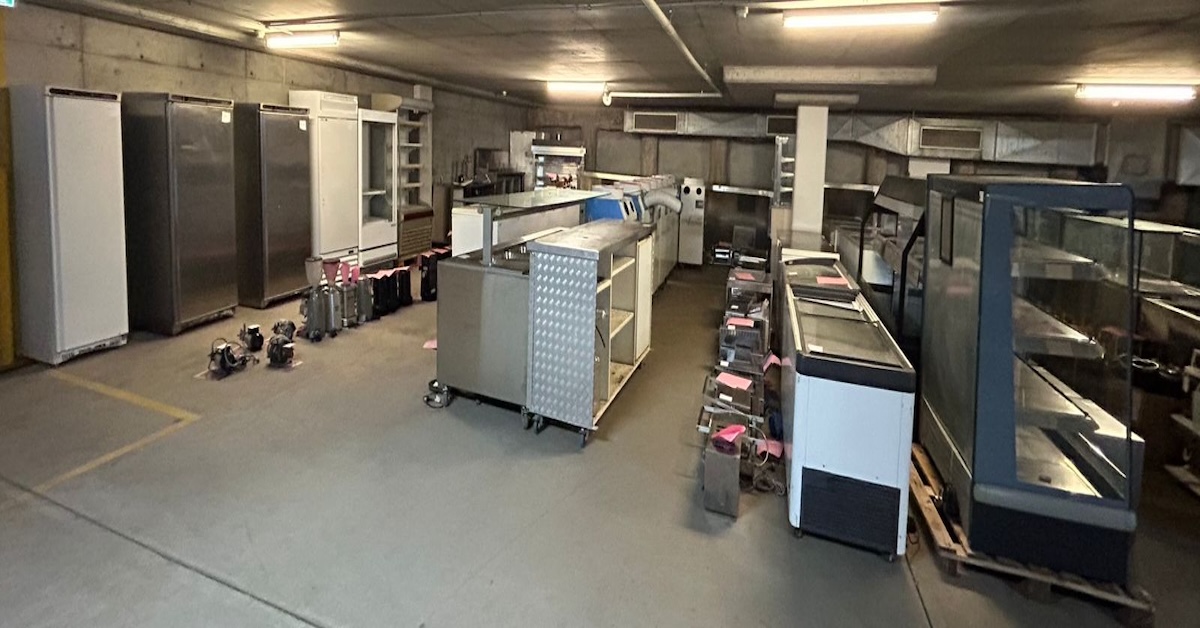
Surry Hills café and restaurant operators could snap up commercial catering equipment at bargain prices after more than 1,000 items were uncovered in a hidden Sydney basement storage site.


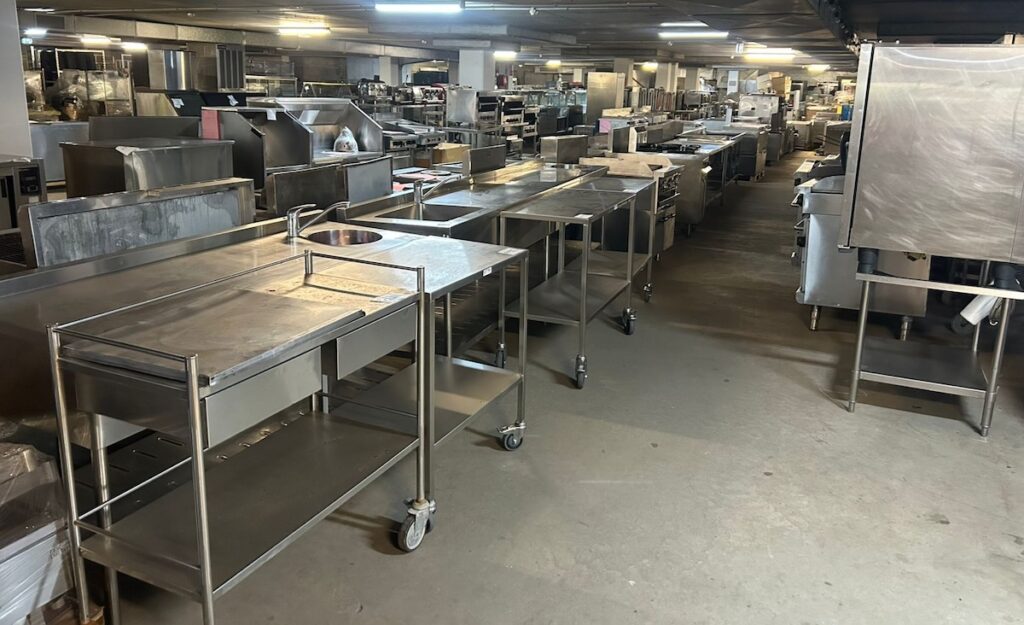
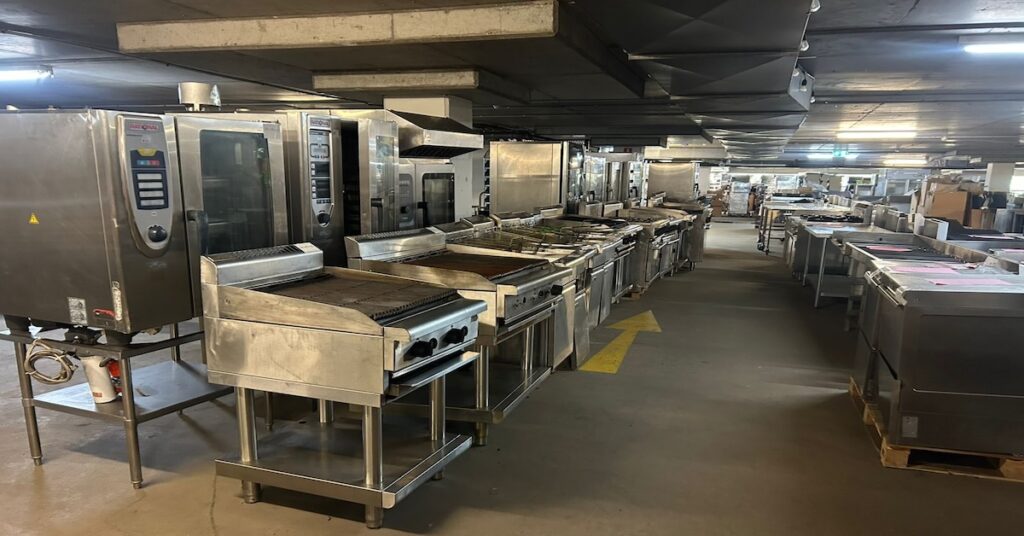
Lloyds Auctions says the underground find spans two full basement levels packed with commercial catering assets worth more than $1 million, including refrigeration units, ovens, benchtops and display cabinets.

With the owner of the basement requiring the space to be cleared immediately, all items will be sold through unreserved online auctions starting from $1.

“This is a sea of stainless steel as far as the eye can see, across two basement levels,” Lloyds Auctions Chief Operations Officer Lee Hames said.

Photo Credit: Supplied

“I have never seen anything of this scale in this industry. The volume of equipment uncovered in this basement is extraordinary.”

The clearance is expected to attract strong interest from hospitality operators, restaurateurs, caterers and resellers looking to secure commercial equipment at reduced prices.

“The opportunity for business owners in this industry to get ahead is very real as every single item will be going under the hammer with no reserve and starting at $1, meaning everything will be sold,” Mr Hames said.

The clearance includes a wide range of commercial refrigeration assets, ovens, benchtops, display cabinets and other catering equipment.

Photo Credit: Supplied

Given the scale of the find and ongoing cost pressures facing businesses, the auction house expects buyers from across southeast Australia to participate.

The auctions will be conducted online only, closing on Tuesday 19 May and Wednesday 20 May from 10:00 a.m., with bidding now open through Lloyds Auctions.


Published 18-May-2026

Sydney Doctors Treat Record Number of Serious E-Bike Trauma Cases at St Vincent’s

Doctors at St Vincent’s Hospital Sydney are treating a growing number of young people with serious head injuries, broken bones and internal trauma after e-bike crashes, with medical staff reporting that nearly half of the hospital’s major trauma cases over one recent long weekend involved riders thrown from the fast-moving devices.


During the recent Anzac Day long weekend, trauma specialists at the Darlinghurst hospital treated 17 major trauma patients, many of them linked to e-bike crashes. Emergency doctors said the injuries were no longer limited to cuts and bruises, with some patients arriving with traumatic brain injuries, collapsed lungs, fractured ribs and damage to organs including the liver and spleen.

St Vincent’s co-director of trauma Dr Tom Crofts said hospital staff were seeing more young riders admitted after night-time crashes involving shared e-bikes, alcohol and low helmet use. Medical teams said many patients were young people and had suffered injuries that could affect them for years.

E-Bike Injuries at St Vincent’s Have Nearly Doubled Each Year

Data released by St Vincent’s Hospital showed emergency department presentations linked to e-bikes climbed to 201 cases in 2025, up from 103 the previous year and 45 cases in 2023.

Doctors at the hospital said the injuries often resembled motorcycle trauma rather than standard bicycle accidents because of the speed and weight of modern e-bikes. Doctors said crashes involving speeds above 25 km/h often resulted in severe injuries when riders were thrown onto roads or footpaths.

Medical staff also reported concerns about illegally modified e-bikes capable of travelling faster than legal limits. Doctors said some crashes occurred late at night on roads and footpaths.

St Vincent’s said some patients required intensive care treatment and lengthy hospital stays after high-speed crashes. Medical teams at the hospital also said helmet use among e-bike riders remained low despite the growing number of serious head injuries entering emergency departments.

Photo Credit: Rawpixel

Pedestrians and Teenagers Also Caught in the Growing Problem

St Vincent’s Hospital has also begun examining cases involving pedestrians struck by e-bikes on footpaths as concerns grow about rider behaviour in busy public areas.

At the same time, the Sydney Children’s Hospitals Network reported that 111 children had already been admitted this year with injuries linked to e-bikes and e-scooters. Nearly two-thirds of those patients were aged between 13 and 18.

Hospital staff said injuries among children ranged from broken bones and deep tissue wounds to severe head trauma. Health workers also warned parents to check whether e-bikes had been illegally altered to travel at higher speeds.

Doctors said children not wearing helmets faced a much greater risk of serious or critical injury during crashes.

Doctors Push for Safer Riding Habits Across Sydney

Despite the growing number of trauma cases, doctors at St Vincent’s said e-bikes still had value as a transport option if riders used them responsibly.

Medical staff urged riders to wear helmets, avoid riding after drinking alcohol and stay visible at night, particularly in busy parts of Sydney where roads and footpaths can quickly become crowded.


Emergency specialists said many serious injuries could be reduced through helmet use and avoiding alcohol before riding.

Published 15-May-2026

The Lord Roberts Hotel in Darlinghurst Reaches 125-Year Milestone

For 125 years, The Lord Roberts Hotel has operated from the same Darlinghurst corner, serving office workers, tradies, families and long-time locals across generations.


Established in 1901, the Stanley Street pub has reached a milestone few Sydney venues can claim. While nearby areas such as Kings Cross and Potts Point have changed through decades of nightlife growth and redevelopment, The Lord Roberts Hotel has continued operating from the same location.

The pub, known by some locals over the years as “The Bob” and “The Lobo”, has recently refreshed its food menu and upgraded parts of the venue, including its rooftop and outdoor seating areas. Yet, it maintained its historic identity.

A Pub That Grew Alongside Inner-City Sydney

Co-owner Lewis Barnes said the venue had remained a steady part of Darlinghurst even as the surrounding suburbs changed around it over the decades.

Barnes described the pub as a place used by many different groups across the week, from CBD workers stopping in after work to families sharing dinner and sports fans gathering for major games. He also said the venue aimed to remain accessible to patrons across different budgets.

This interesting mix has become part of the pub’s identity. The venue’s outdoor seating areas are regularly used by patrons dining with dogs and groups gathering across the pub’s different spaces. Barnes said sporting events continue attracting both regular patrons and newer visitors.

There have been council-backed street events in recent years that have also helped bring new patrons into the venue and the broader Stanley Street dining area.

Nostalgia Returns to the Menu

To mark the anniversary, the pub introduced a menu built around familiar Australian comfort food and references that many patrons grew up with.

The limited offerings, which lasted until 8 May, include fairy bread, chicken kiev, sausage tacos inspired by Bunnings fundraisers and a cocktail influenced by the Golden Gaytime ice cream.

The menu changes were designed to connect with both older patrons who remember the dishes from childhood and younger visitors drawn to retro-style food and drinks.

Holding Onto Familiar Corners in Darlinghurst

Hospitality venues operating continuously for more than a century are increasingly uncommon in inner-city Sydney.

Darlinghurst itself has shifted significantly since the early 1900s. Once known for its boarding houses and working-class terraces, the suburb later became closely linked with Sydney nightlife, live music, late trading venues and inner-city dining culture.

Over time, Sydney’s hospitality landscape has seen older pubs close, redevelop or change ownership. Cr Olly Arkins said venues balancing history with changing customer habits are becoming harder to maintain in Sydney’s hospitality sector.

Proposed Alterations to The Lord Roberts Hotel in the 1950s
Photo Credit: City of Sydney

This anniversary is less about the age of the building and more about what the venue still represents in a changing city — a familiar place where different generations continue gathering together.


Published 15-May-2026

Surry Hills Village Gains NSW Architecture Awards Shortlist Recognition

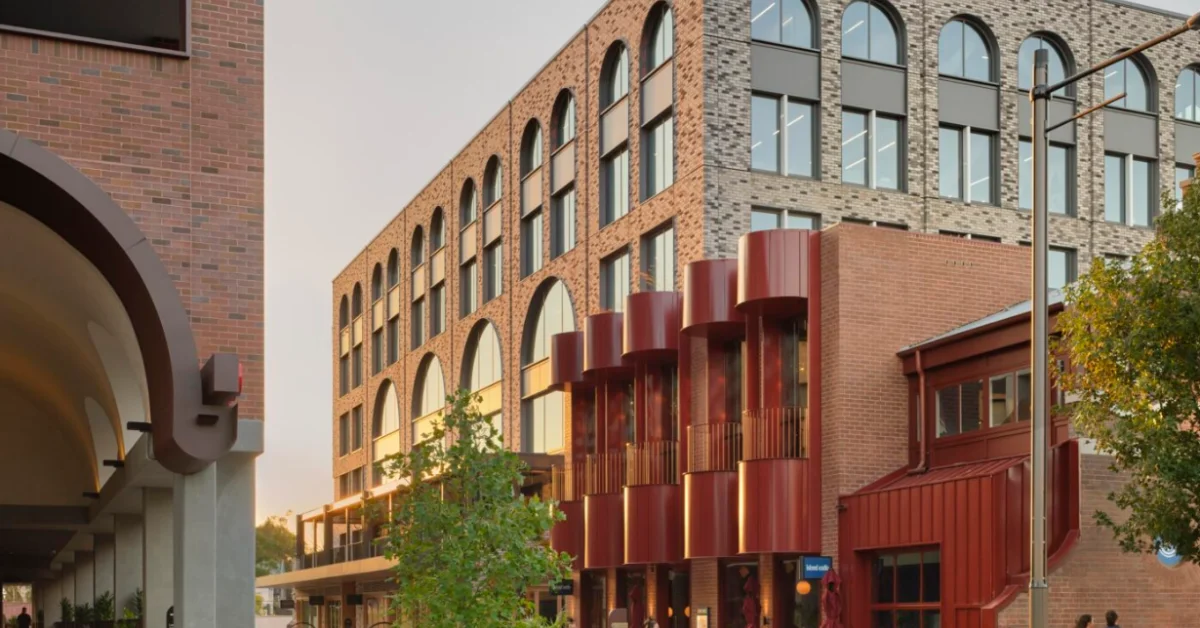
In Redfern, at the southern edge of Surry Hills, Surry Hills Village has moved from a former supermarket and warehouse site into a recognised mixed-use precinct, with the project now shortlisted across several categories in the 2026 NSW Architecture Awards.


The Australian Institute of Architects named the project in the commercial architecture, residential architecture – multiple housing, and urban design categories. Winners are scheduled to be announced on 2 July 2026.

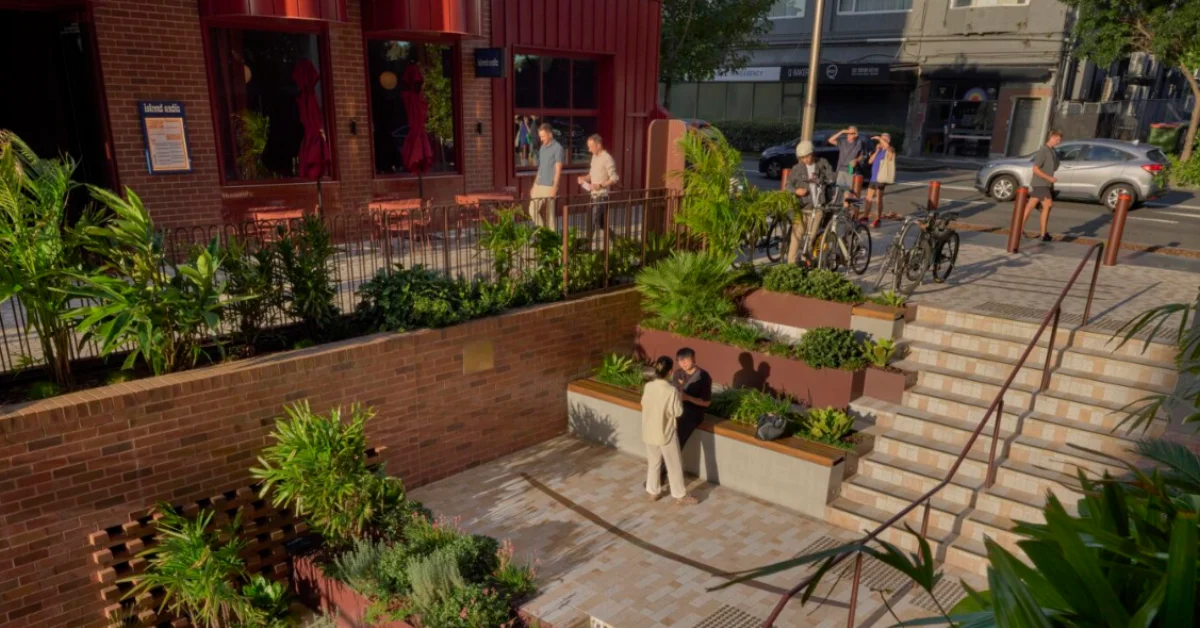
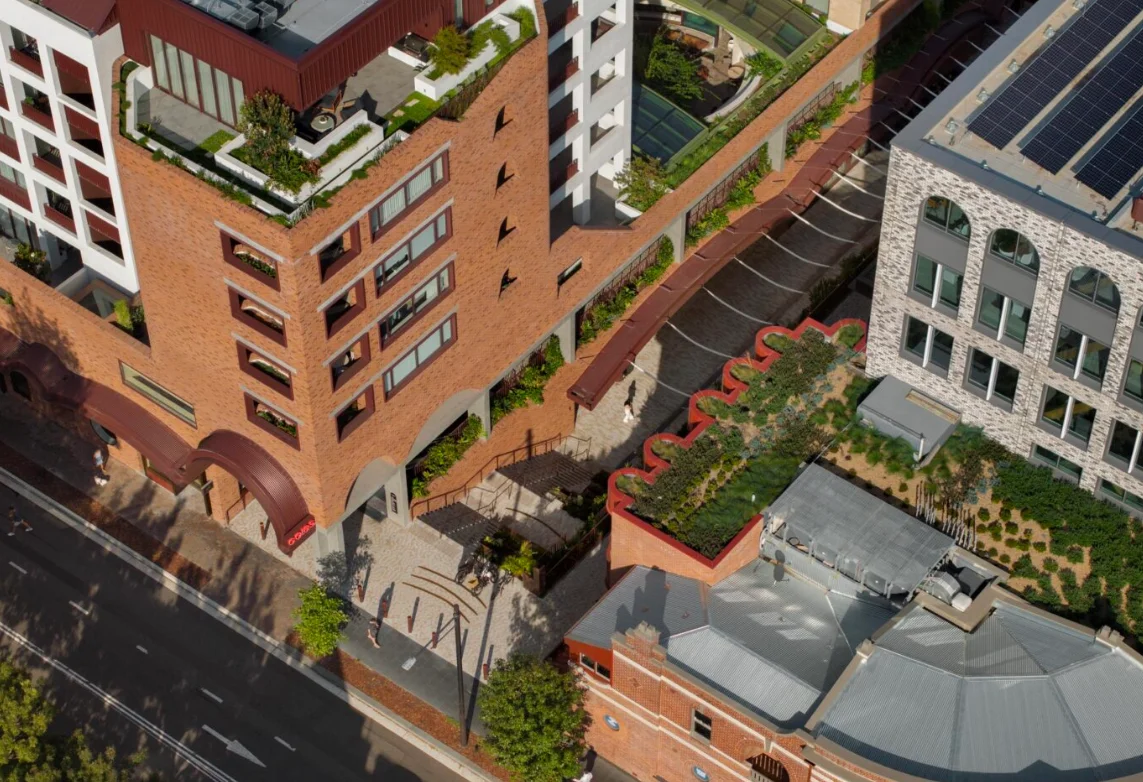
Centred around Wunderlich Lane, the precinct spans 12,244sqm and brings together apartments, terrace houses, shops, dining venues, workspaces, heritage elements, open areas and The EVE Hotel Sydney. The development has been arranged as seven village-style sections, creating a mix of residential, hospitality and street-level uses within one inner-city precinct.

 Wunderlich Lane
Photo Credit: SJB

Wunderlich Lane Anchors The Surry Hills Precinct

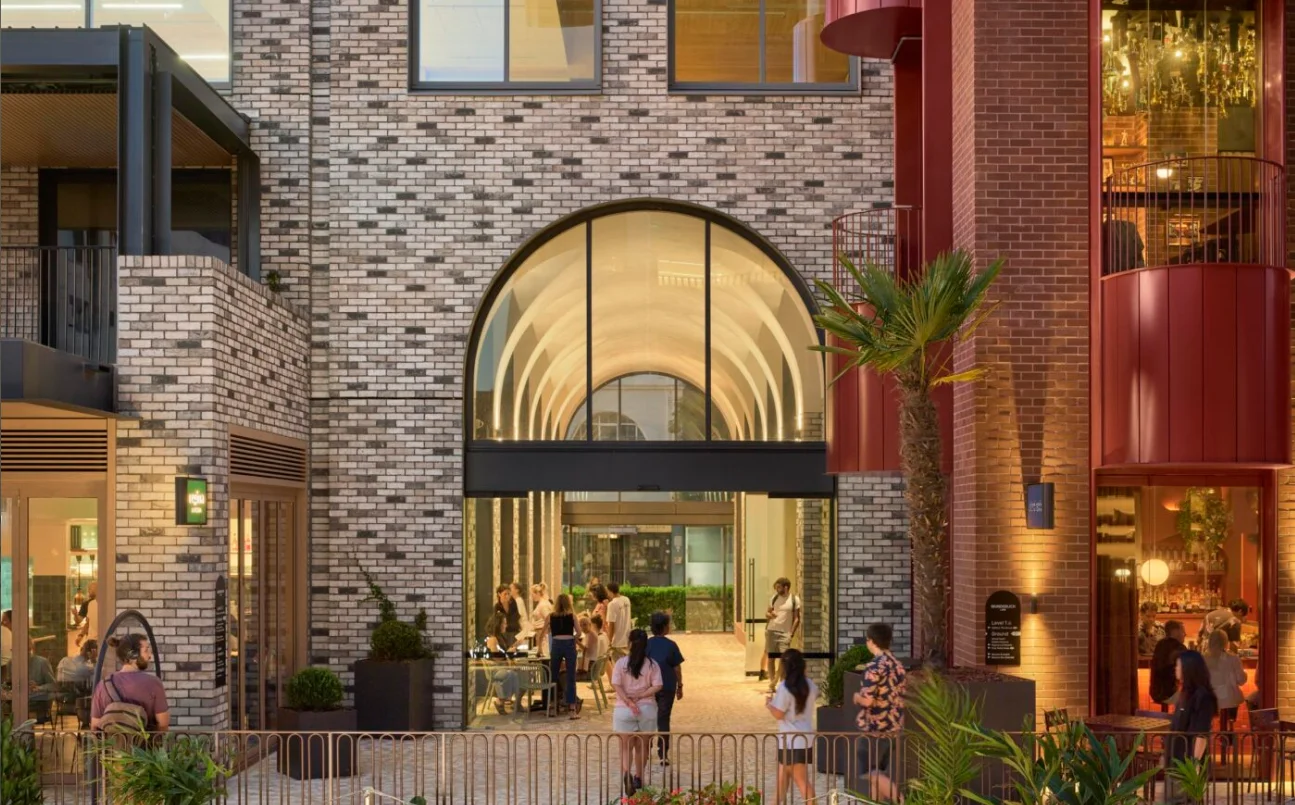
Wunderlich Lane connects Baptist and Marriott streets and forms a central part of the precinct’s layout. Its food and retail mix includes Coles, Harris Farm Markets, Messina, Olympus Dining, Island Radio, Bar Julius and Saardé, alongside other tenancies within the precinct.

The EVE Hotel Sydney adds a 102-room boutique hotel to the development, with a rooftop pool and bar. Hospitality spaces, retail areas and outdoor seating are arranged around the laneway, giving the precinct a clear connection between buildings, landscape and street-level activity.

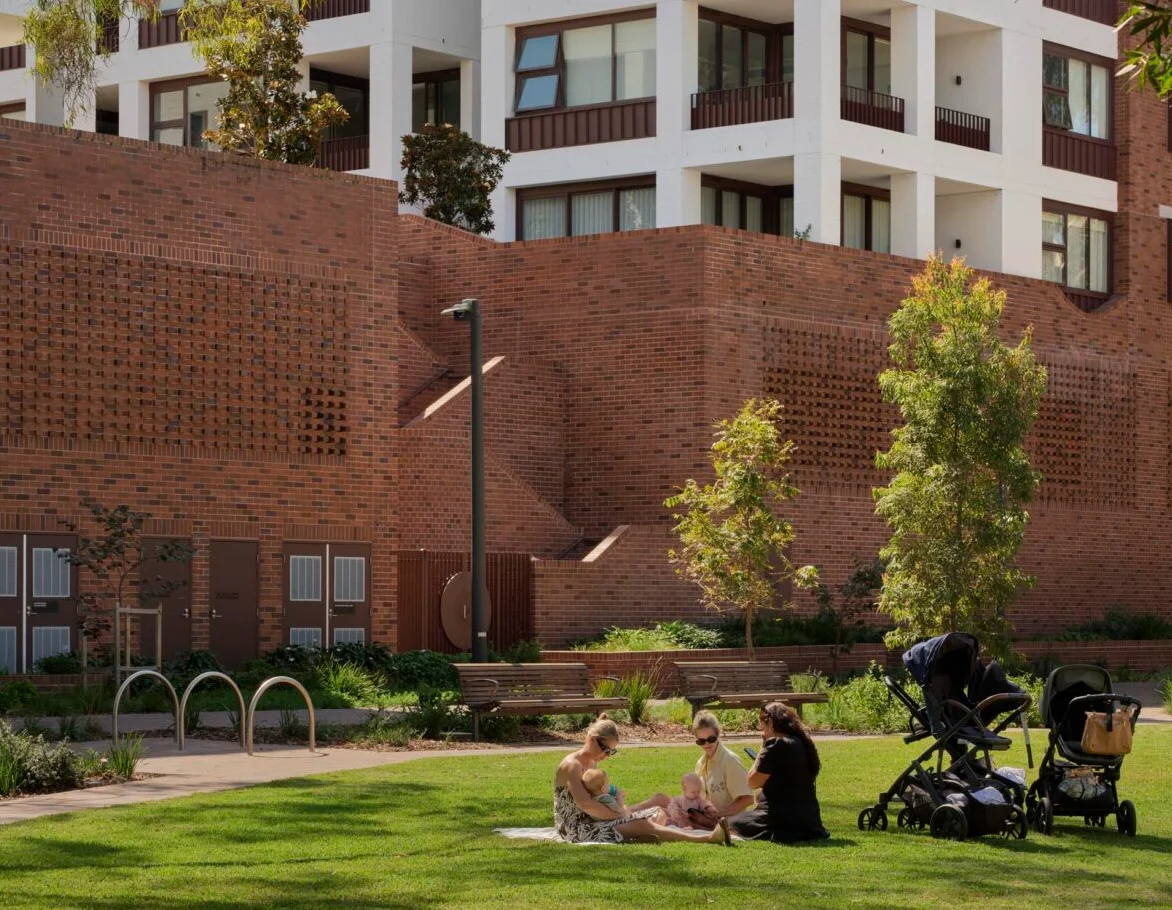
The residential component sits alongside this activity, with four multi-residential buildings and terrace houses forming the Marriott Street edge. Brickwork, organic forms and shared green spaces are used across the residential buildings, with communal areas included for residents.

NSW Architecture Awards
Photo Credit: SJB

Design Recognition Spans Housing, Commercial and Urban form

The awards shortlist places Surry Hills Village across several design fields, reflecting the scale and complexity of the project. SJB led the architectural design as principal architect, Studio Prineas worked on the heritage component, and ASPECT Studios shaped the landscape and public domain.

The project also includes a retained heritage element at the corner of Cleveland and Baptist streets, where the former Bank of NSW building façade has been incorporated into the development. Studio Prineas retained the Victorian-era brick façade, with food and beverage spaces now occupying the structure.

At the Cleveland and Marriott streets corner, a commercial building using mass timber construction forms another part of the precinct. Its brickwork and arched windows create a visible marker for the development from Cleveland Street.

mixed-use precinct
Photo Credit: SJB

Landscape Brings New Movement Through Surry Hills Village

A key part of the project is the way Surry Hills Village reworks a previously enclosed site into a more connected precinct. Laneways, streetscapes, public artworks, rooftop gardens and a new park form part of the design.

The new laneway opens the site to the surrounding street network and creates active edges through the precinct. Planting areas, seating, courtyards and retail spill-out spaces have been arranged to support dining, gathering and everyday movement through the area.

Surry Hills Village
Photo Credit: SJB

Greenery is carried throughout the development, from balconies and private planters to rooftop gardens and shared courtyards. The landscape strategy includes native plants, low-water species and permeable green spaces, with the design also aimed at supporting urban cooling and resilience.

A new park has also been added on a former carpark, retaining mature eucalypts while adding new street trees and a cycle link between Baptist and Cooper streets.


The shortlisted entries position Surry Hills Village as more than a single-use development. Its recognition across commercial architecture, multiple housing and urban design highlights a precinct shaped by new residences, retained heritage, laneway retail, hospitality and landscape-led open space.

Published 12-May-2026

Newly Released Findings Reveal Cause of Fatal Surry Hills Footpath Electrocution

Newly released investigation findings have shed light on a hidden underground electrical failure that turned a standard Surry Hills footpath into a deadly public hazard earlier this year.


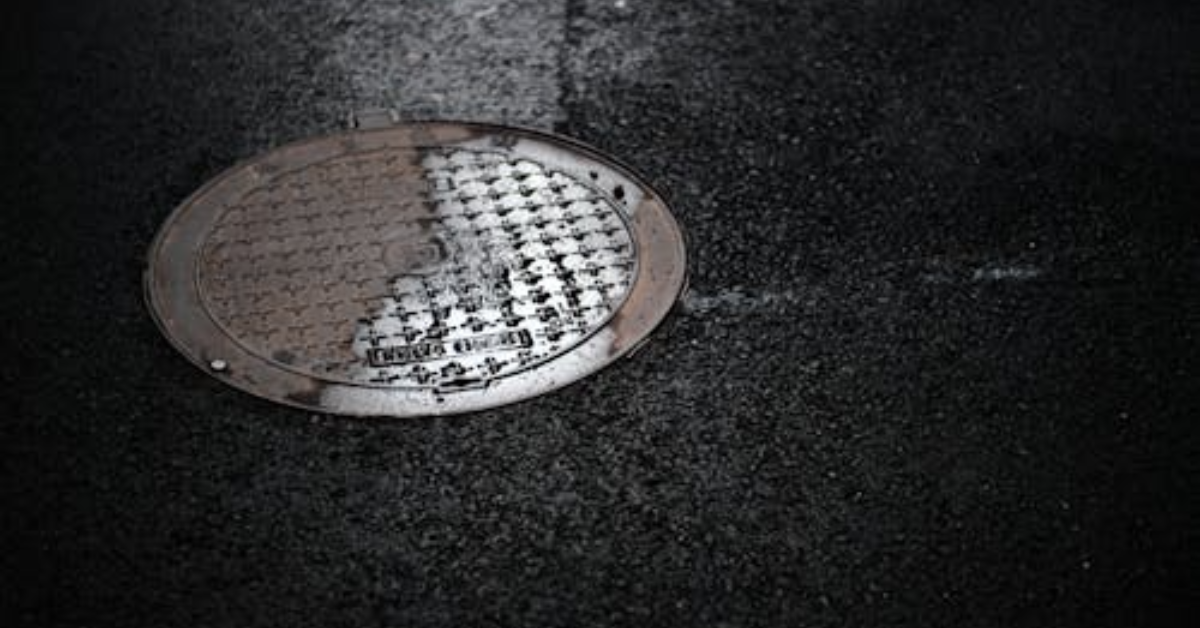
The tragic incident originally occurred on 14 January 2026 during a routine walk down Crown Street. A local resident was walking their Staffordshire bull terrier alongside another dog when the pet stepped onto a metal manhole cover. The dog died immediately from a massive electrical surge.

The owner also suffered a severe electric shock while trying to help their pet and required transport to a nearby hospital for emergency medical treatment. Other local pedestrians had reportedly crossed over the exact same metal plate shortly before the incident without realizing the danger, spared from injury only by the non-conductive rubber soles of their shoes.

While the incident happened months ago, the exact cause has only just been made public. A newly concluded internal engineering investigation by the electricity network provider, Ausgrid, revealed that the tragedy was caused by a complete failure of underground infrastructure.

Investigators discovered that a live electrical current had transferred directly into the metal pit frame. This happened after a critical fault developed inside an underground metal link box, where the protective cable insulation had completely degraded due to severe heat damage. According to the findings, local moisture levels, extreme weather conditions, and recent third-party footpath construction works carried out in late 2024 all combined to trigger the catastrophic insulation breakdown.

In the wake of the newly published report, energy officials have classified the vulnerability as a legacy infrastructure issue that does not affect modern construction standards. Network spokespeople stated that the utility company has shared these long-awaited technical findings with the grieving owner.


To prevent further community hazards, utility crews have launched a safety audit of all pit installations linked to the recent Crown Street upgrade. Workers are currently inspecting older-style link boxes across the network and have expanded a specialised vehicle-mounted voltage detection programme to actively scan local public roads and footpaths for hidden electrical dangers.

Published Date 06-May-2026

Saint Peter Paddington named Gourmet Traveller’s Restaurant of the Year for 2025

Josh Niland’s Saint Peter Paddington has claimed the coveted title of Restaurant of the Year in Gourmet Traveller‘s 2025 Annual Restaurant Guide — a landmark recognition for one of the suburb’s most celebrated dining destinations. The award cements the restaurant’s place not just at the top of Sydney’s dining scene, but among the most remarkable seafood restaurants anywhere in the country.


Saint Peter now operates out of the heritage-listed Grand National Hotel at 161 Underwood Street, Paddington, after relocating there in 2024 from its original Oxford Street premises. The move, a long-anticipated project led by Josh and Julie Niland, transformed the long-vacant pub into a multi-faceted hospitality venue complete with a 40-seat fine-dining restaurant, a separate bar, private dining, and 14 boutique hotel rooms.

The Gourmet Traveller review praised the restaurant’s continued commitment to Niland’s signature scale-to-tail philosophy, in which every part of the fish — including secondary cuts rarely seen on Australian menus — is given careful and inventive treatment. Diners might begin with an Oyster Shell Martini before following a single species of fish across multiple preparations: a yellowfin tuna, for instance, could appear as a tartare served on a fermented rice cake, then re-emerge encased in pastry as a Wellington, and finish as a petit four made from bone marrow fudge. Other highlights noted in the review include a John Dory liver pâté with a sweet port and Madeira jelly, and the restaurant’s signature salt and vinegar mackerel — a dish that has become something of a calling card for Niland’s approach to the craft.

Photo Credit: Google Maps

The dining room itself is described as artistically considered, featuring works by artist Sophie Cape within a eucalypt-toned interior. Service across the experience is noted as seamless.

Photo Credit: Google Maps

Niland is a James Beard Award winner and multiple chef of the year recipient across Australia’s most prestigious food publications. The restaurant holds two hats with the Good Food Guide and has been nominated or named restaurant of the year across Time Out, Gourmet Traveller, and the Good Food Guide in various years.

For those after a more relaxed outing, the Saint Peter Bar offers its own separate menu — think tuna and swordfish belly bacon cheeseburgers and curried cod pies — making the venue accessible for a casual drop-in as much as a special occasion. The restaurant is open for lunch Thursday to Sunday and dinner daily, with bookings considered essential. The venue is also wheelchair accessible.


Those wanting to make a full night of it can book a room upstairs at The Grand National Hotel by Saint Peter, with rates starting from $600 per night, inclusive of a non-alcoholic minibar and breakfast — served, naturally, by the Saint Peter kitchen.

Saint Peter is located at 161 Underwood Street, Paddington. Bookings can be made at saintpeter.com.au or by calling (02) 9167 3703.

Published 27-April-2026

Diethnes to Close After 74 Years, Taking a Piece of Sydney With It

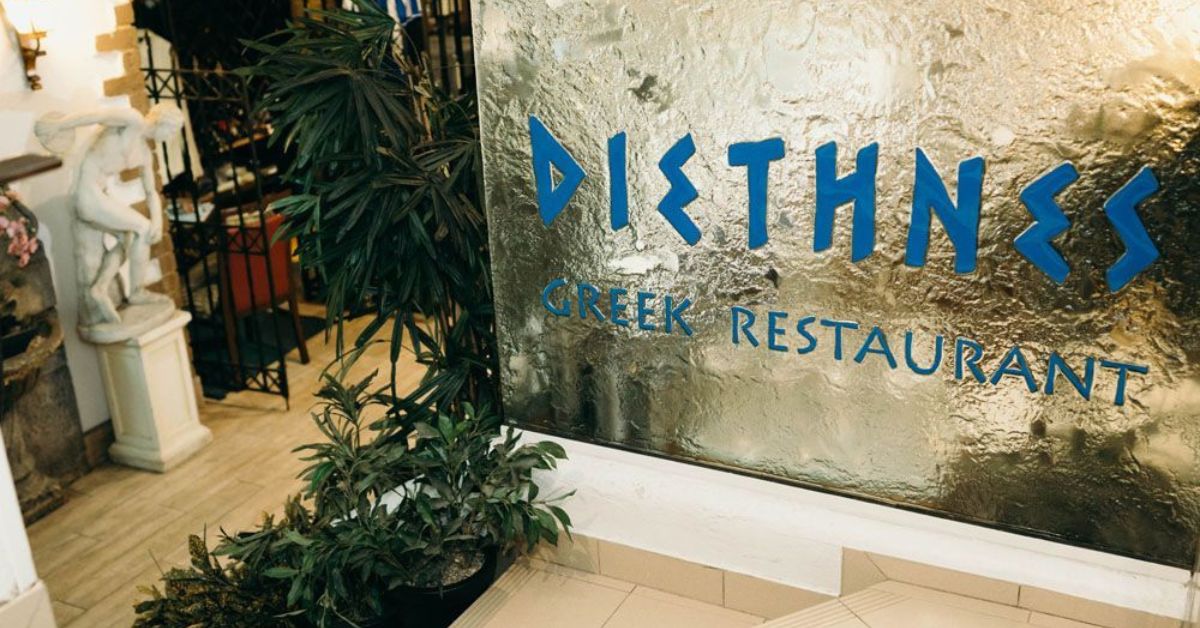
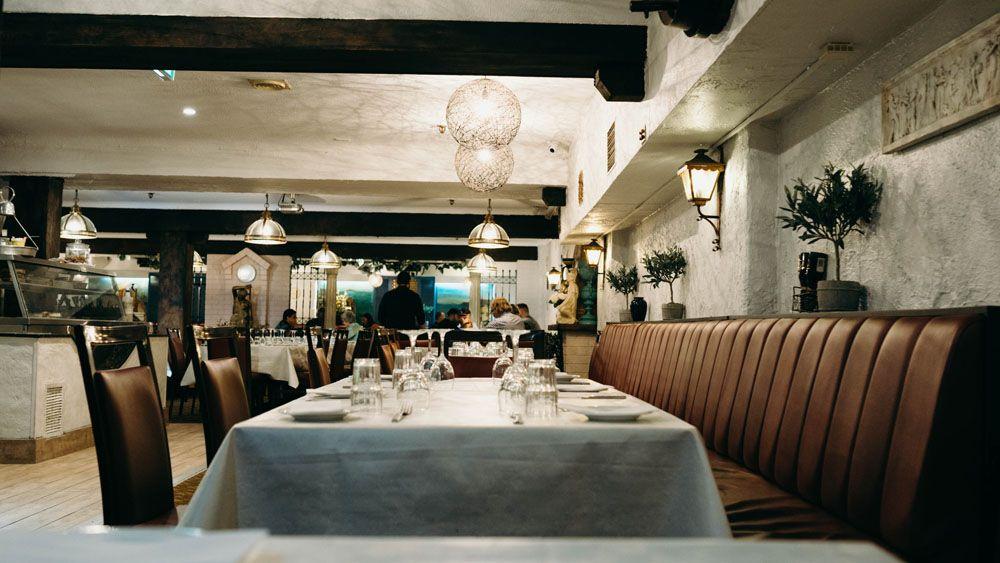
Diethnes, Sydney’s original Greek restaurant, will serve its last meal on 30 May after 74 years in the city, with the family-run basement institution on Pitt Street forced to close as a major redevelopment claims its block.


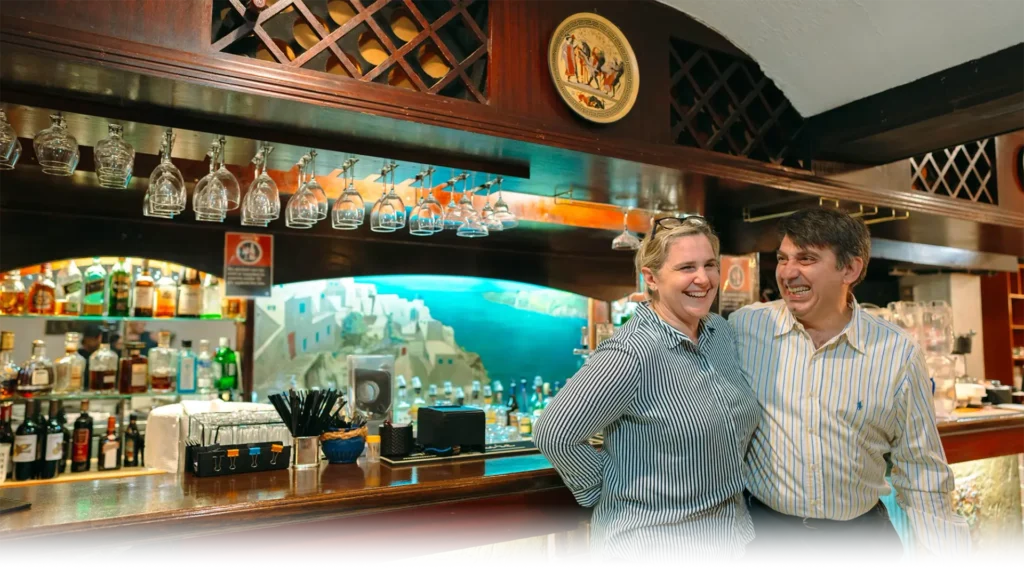
The news has hit Sydney’s hospitality community hard. For three generations, the Ventouris family has kept the flame alive in a subterranean dining room that feels more like a relative’s kitchen than a city restaurant, a place where the moussaka arrives the same way it always has, where owner John Ventouris greets regulars by name from the bar, and where the décor has never needed to chase a trend because it never stopped feeling right.

When the doors close at the end of May, a stretch of unbroken family hospitality that began in 1952 comes to an end.

A Migration Story Served on a Plate

The origins of Diethnes are woven into the broader story of Greek migration to Australia. The restaurant first opened in 1952, during a period when Greek migrants were beginning to shape the character of Sydney’s food scene in lasting ways. Its modern chapter began in 1967, when Phillip Ventouris, who had migrated to Australia from the Cyclades, joined the business. He started as a kitchen hand and worked his way to ownership, moving the restaurant to its current Pitt Street address in 1977. In 2000, his son John and John’s wife took over, committing themselves to preserving what Phillip had built rather than reimagining it.

Diethnes
Photo Credit: Diethnes

That commitment showed in every detail. The dining room kept its taverna warmth, the menu stayed anchored to roast lamb, moussaka, spanakopita and mezze plates designed for sharing, and the service remained the kind that knows your name. John describes the philosophy simply: the Diethnes experience is built on what Greeks call filotimo and filoxenia, pride and hospitality, and those values guided every service for a quarter century of his tenure.

The Basement That Time Chose Not to Leave

Part of what made Diethnes so distinctive was the venue itself. Tucked below street level, the basement dining room became something of an unofficial refuge from the pace of the city above. The lack of phone signal, which in another context might be a frustration, became one of the restaurant’s most quietly celebrated features among its regulars, who came to regard it as one of the few places in the CBD where a long lunch could unfold without interruption.

Photo Credit: Diethnes

The atmosphere drew people from all walks of life over the decades. Members of the band INXS wandered in during John’s early years behind the bar. The restaurant attracted well-known faces from business and public life, drawn by the same combination of reliable food, warm service and the sense of stepping somewhere that operated by its own unhurried rules.

Why the Doors Are Closing

The closure is not a business failure. Diethnes has operated on a month-to-month lease for close to a decade, knowing that a redevelopment of the block was a matter of when, not if. The massive multi-tower redevelopment and retail precinct planned for the site simply has no room for the restaurant in its current form. 

Relocating has proven unrealistic. With annual rents for suitable CBD premises running into the hundreds of thousands of dollars, and the cost of fitting out a new venue adding millions more, John reached a conclusion that many long-serving hospitality operators eventually face: the numbers required to start again simply didn’t justify the risk at this stage of his life. He has four children, but none are planning careers in hospitality, .leaving the Diethnes name without a clear successor for the first time in 74 years. While John hasn’t ruled out a revival further down the track, the family is currently focused on a dignified finish. 

The broader landscape has shifted too. Foot traffic in the CBD thinned significantly after the pandemic, as working-from-home patterns changed who was in the city and when. Long-standing regulars aged out or moved on. John acknowledges the dining culture itself has changed around him, with quick ordering and phone-forward table habits replacing the kind of unhurried, conversation-centred meals that Diethnes was built for.

Business Sydney executive director Paul Nicolaou captured the sentiment around the closure when he described Diethnes as part of the story of Greek migration to Australia, a venue that helped shape Sydney’s hospitality scene at a time when migrant communities were establishing themselves and contributing to the city’s character. His view that Sydney is losing a piece of its soul reflects what many longtime customers already feel.

One Last Chance to Go Downstairs

Diethnes at 336 Pitt Street, Sydney, is open for lunch Tuesday to Saturday from noon and for dinner Tuesday to Saturday from 5.30pm, with final service on 30 May 2026. Bookings can be made via the restaurant’s website at diethnes.com.au or by phone on (02) 9267 8956.


Published 17-April-2026

Paddington Talk Revisits Australia’s Missed Chance at Masterpieces

A local church hall in Paddington will highlight a story about how Australia had the chance to buy artwork by famous artists like Pablo Picasso and Vincent van Gogh at low prices during wartime. Unfortunately, much of that artwork was lost. This story will be shared with today’s community.


A look back at a turning point in art

The talk centres on the Herald Exhibition of French and British Contemporary Art, a major exhibition that toured Australia in 1939. At the time, it introduced many Australians to modern European art for the first time. Paintings that are now considered priceless were available to local buyers during the early years of the Second World War, when prices were lower and artworks remained in the country longer than expected.

Despite the opportunity, few pieces were purchased for public collections. Historians now often point to this moment as a missed chance for Australia to build a world-class art collection early on. The exhibition also sparked strong public debate, with some critics rejecting modern styles and labelling them offensive or difficult to understand.

Expert brings history to Paddington

Art historian Steven Miller will lead the discussion, drawing from his award-winning book Degenerates and Perverts, co-written with Eileen Chanin. Miller has spent years researching Australian art history and has worked closely with archives at the Art Gallery of New South Wales, focusing on how exhibitions and public opinion have shaped the nation’s cultural identity.

Photo Credit: Wikipedia

His talk is part of a broader lecture series hosted by ArtsNational Sydney, which brings together speakers to explore art, history and culture from different periods and regions.

Bringing art history into the community

The event highlights how decisions made decades ago still influence what Australians see in galleries today. By revisiting the 1939 exhibition, the talk aims to give local audiences in Paddington a clearer understanding of how public taste, timing and circumstance can shape a country’s cultural legacy.

The session will take place at Paddington Uniting Church on Oxford Street on April 23, with talks scheduled for 12:30 p.m. and 6:00 p.m. Bookings are required through ArtsNational Sydney.


Published 13-April-2026