



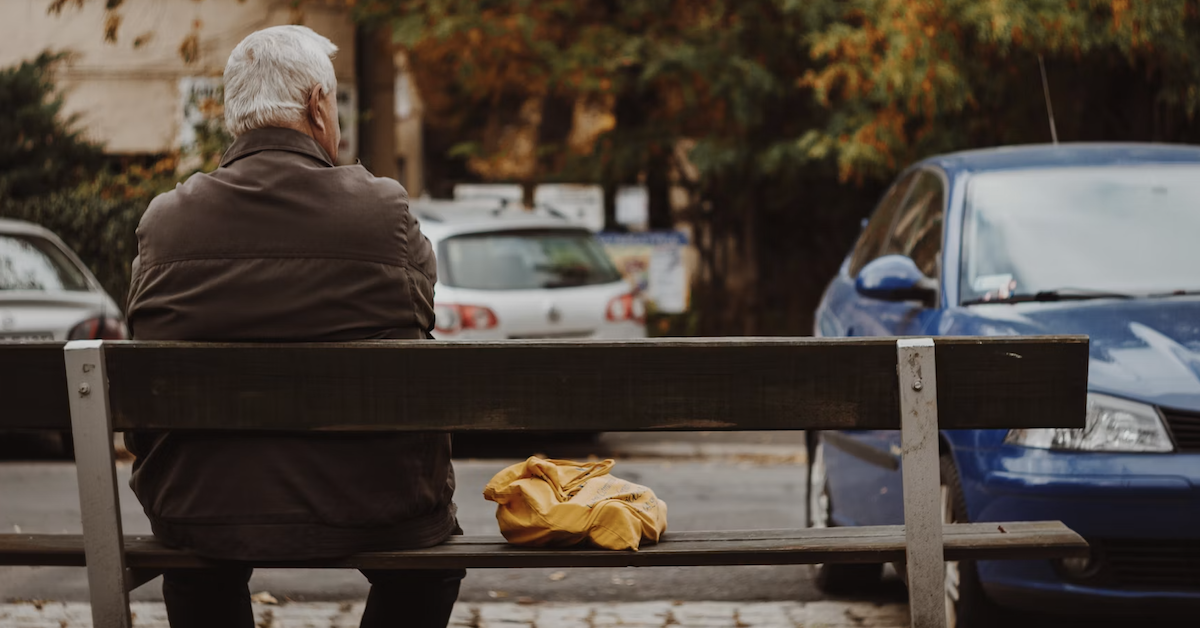
People aged 65 and over now outnumber children and teenagers in both Surry Hills and Darlinghurst, marking a clear demographic shift for the two inner-Sydney suburbs.
According to Australian Bureau of Statistics (ABS) population estimates for 2024, Surry Hills was home to 1,603 residents aged 65 or older compared to just 1,122 under the age of 20—a surplus of 481 seniors. The gap was even wider in neighbouring Darlinghurst, which recorded 1,302 seniors against 666 under-20s, leaving a difference of 636.
The figures rely on Statistical Area Level 2 boundaries, which roughly capture these urban communities even if they do not match official suburb lines perfectly.
A Complete Generational Reversal
This marks a complete reversal from the start of the century. In 2001, under-20s held the lead in both suburbs: Surry Hills had 133 more young people than seniors (1,496 to 1,363), while Darlinghurst had a youth advantage of 158 (890 to 732). By 2011, the scale had tipped in favour of older residents, and that trajectory has only steepened since
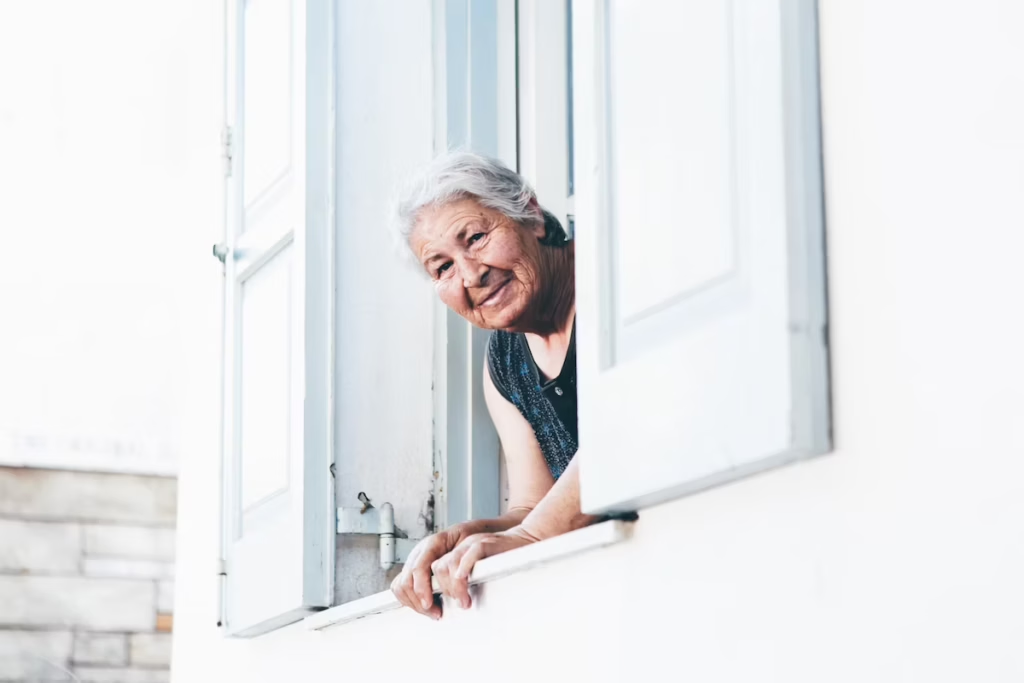
.While working-age adults (20 to 64) still make up the vast majority of local populations, youth shares have shrunk to historic lows. Under-20s now account for just 6.6 per cent of Surry Hills residents and 5.8 per cent in Darlinghurst. Conversely, seniors make up 9.4 per cent and 11.4 per cent of the respective suburbs, meaning Darlinghurst now has nearly two seniors for every child or teenager.
Bigger Suburbs, Fewer Children
Interestingly, overall population growth in these areas has not brought more children into the mix. Between 2001 and 2024, Surry Hills grew from roughly 13,900 to 17,100 residents, yet its under-20 population dropped by 374 as its senior cohort expanded by 240. Darlinghurst grew from 8,500 to over 11,400 residents, but saw a loss of 224 under-20s against a gain of 570 seniors.
While the ABS data, which measures estimated resident populations as of 30 June, shows what is happening, the drivers behind it are multifaceted. The prevalence of apartments and terraces near the Sydney CBD, St Vincent’s Hospital, transit hubs, and local dining naturally attracts single adults and childless couples.
Meanwhile, high property prices and rents, paired with a shortage of multi-bedroom layouts and private yards, push growing families outward.
In a report, KPMG urban economist Terry Rawnsley notes that housing affordability plays a major role across Sydney, with many young families simply priced out of well-located inner suburbs. Broader national trends, including an ageing population, lower fertility rates, and residents choosing to age in place, are likely compounding the trend.
Rethinking Local Priorities
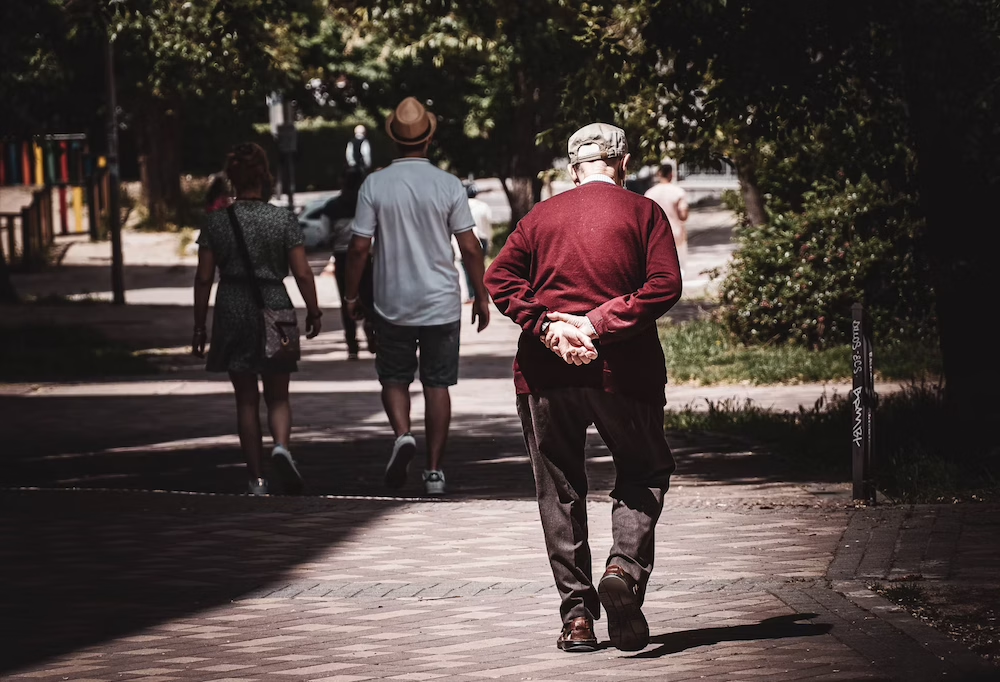
This changing landscape will inevitably impact local services. Fewer young residents could alter long-term demand for schools, playgrounds, and childcare services like the Surry Hills Neighbourhood Centre Children’s Services or children’s programs at the local library.
On the flip side, an expanding older community will place greater emphasis on healthcare, accessible public transit, safe pedestrian crossings, and specialised social support—such as HammondCare’s 42-bed residential facility in Darlinghurst for vulnerable older residents facing homelessness.
Beyond the Youthful Facade
Surry Hills and Darlinghurst may still project a youthful image powered by dining, nightlife, and daily commuters, but the permanent resident base tells a different story. The vibrant inner-city hum remains, but the people who actually live there are steadily growing older.
Published 23-July-2026