


Contracts Signed for Sydney’s First Electric Ferry, But Service Delayed Until 2029

Contracts have been signed to build Sydney’s first battery-powered electric ferry, but the vessel won’t begin trials until early 2028, two years later than originally planned, and won’t enter passenger service on the Blackwattle Bay route until 2029.


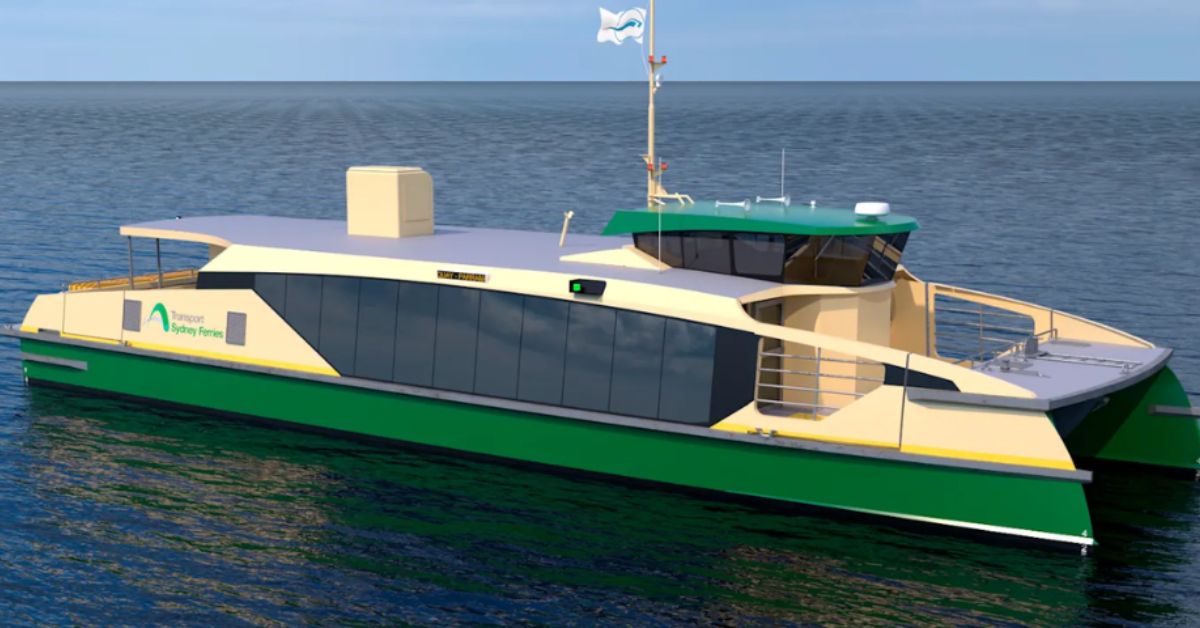
The 24-metre ferry will be built by Tasmanian shipbuilder Richardson Devine Marine, with construction starting later this year. It’s modelled on the Parramatta River Class ferries already operating on Sydney Harbour and was designed by Northern Beaches-based naval architects Incat Crowther.

For Surry Hills residents and inner-city visitors who use the Sydney Fish Market at Blackwattle Bay, the timeline means a quieter, cleaner ferry connection to that precinct is still the better part of three years away.

The vessel itself, and what makes it different

The ferry runs entirely on battery-electric propulsion, producing no diesel exhaust and significantly less noise than the current fleet. At 24 metres, it sits in the same size class as the Parramatta River Class ferries, which have been well regarded since their staged rollout from May 2024.
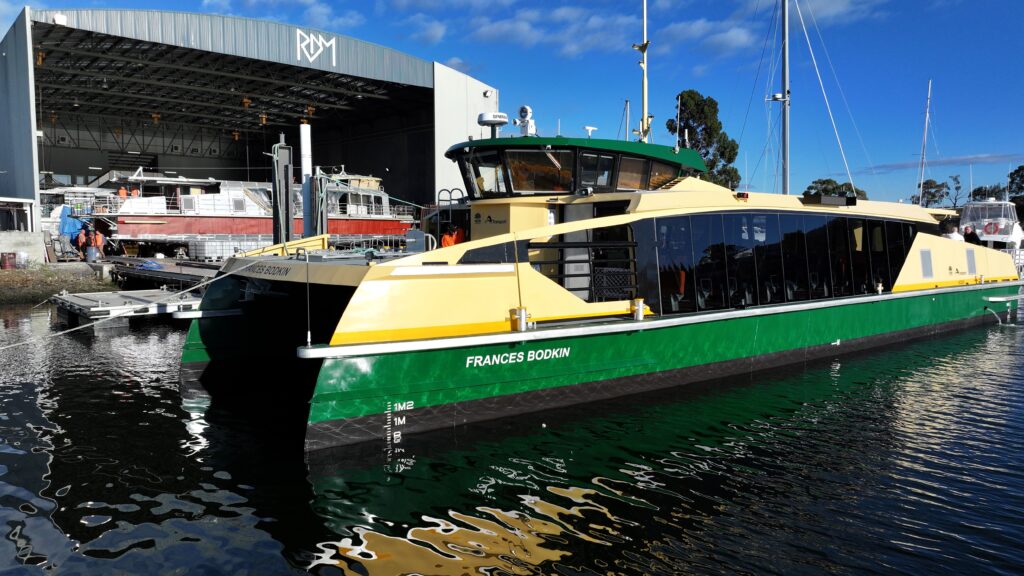
Photo Credit: NSW Gov

Shoreside charging infrastructure will be installed at Barangaroo Wharf to support the trial. The proposed route after the trial period would connect Barangaroo to the new Sydney Fish Market precinct at Blackwattle Bay, which relocated from Pyrmont and opened earlier this year.

Transport for NSW Co-ordinator General Howard Collins described the trial as a genuine learning exercise. “This 12-month trial is an important learning opportunity,” he said. “It will allow us to test the vessel’s performance, reliability, and charging systems in real-world conditions while gathering feedback from passengers and crew.”

The challenge facing the rollout

When plans to electrify the Sydney ferry fleet were first announced, the initial trial vessel was expected on the water by 2026. The confirmed start of trials in early 2028 represents a two-year slip.
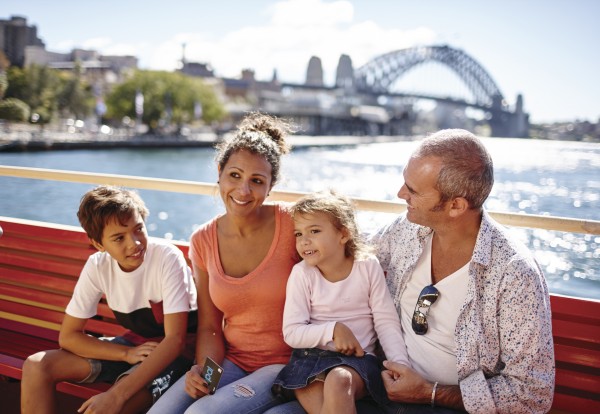
Photo Credit: NSW Gov

No decision has yet been made on ordering additional electric ferries beyond this first trial vessel. Transport for NSW and ferry operator Transdev Sydney Ferries will assess the trial’s results before any broader fleet commitment is considered.

The longer-term target, replacing Sydney’s 40-strong diesel fleet with electric or hydrogen-powered alternatives by 2035, depends heavily on what the trial delivers.

The contrast with the existing Parramatta River Class ferries is worth noting. Those vessels, designed with future electric conversion in mind, have operated without the controversies that marked an earlier generation of overseas-purchased River Class ferries, which entered service with steering defects, asbestos contamination concerns and clearance issues on the Parramatta River.

A fish market that finally has its own wharf

The Sydney Fish Market’s move to Blackwattle Bay has been a long time coming. The new precinct opened in 2026 after years of planning and construction, giving one of Sydney’s most visited destinations a purpose-built waterfront home with dramatically expanded public access.

A direct ferry connection, when it eventually arrives, would give inner-city residents and visitors a genuinely useful alternative to driving or catching a bus. The Barangaroo to Blackwattle Bay run is short and the harbour setting would make it one of the more enjoyable commutes on the network.

The wait, however, is until 2029 at the earliest.


Published 29-May-2026

Norway’s Future Queen Steps Into Public View in Surry Hills

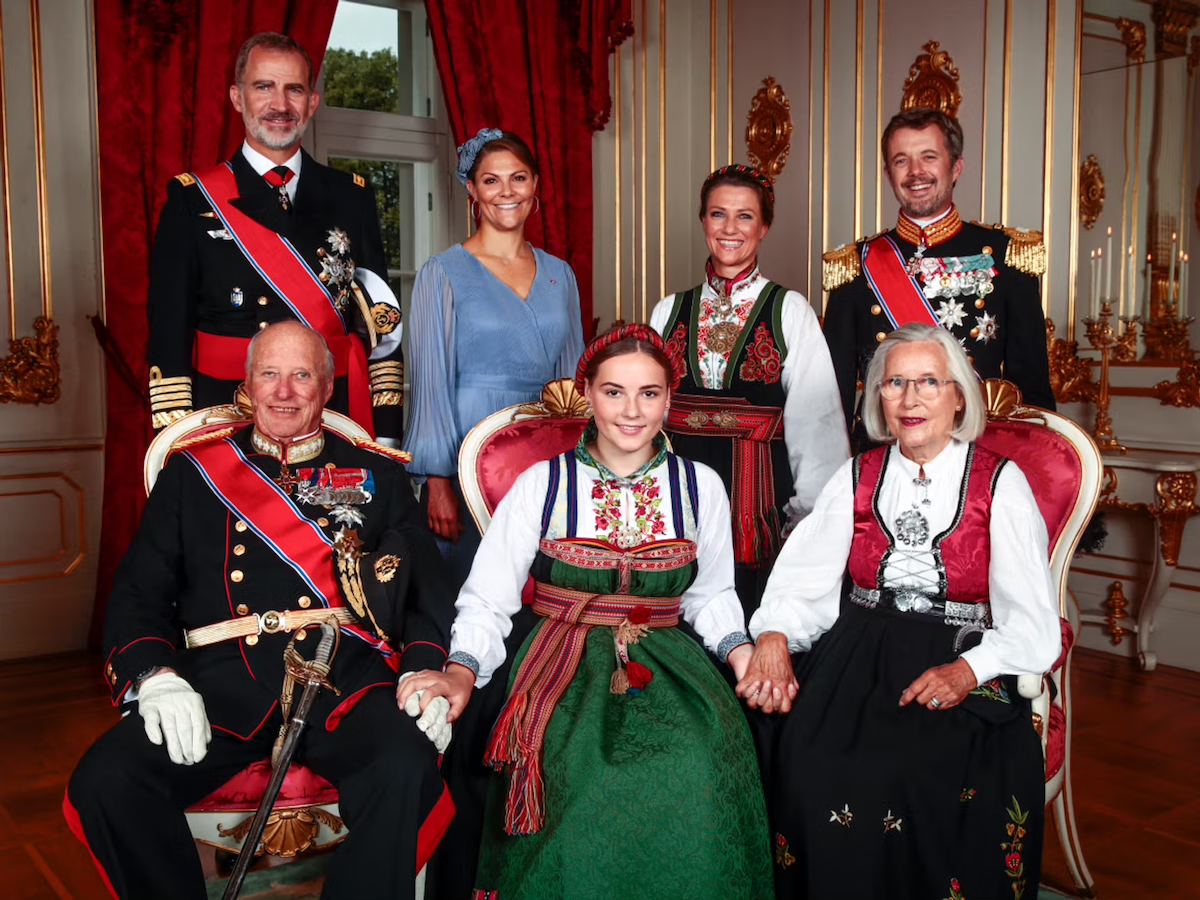
A future queen of Norway spent Sunday morning walking through Surry Hills beside schoolchildren, families and community groups, as Princess Ingrid Alexandra made her first official public appearance in Australia since moving to Sydney for university last year.


The 22-year-old royal joined celebrations on 17 May for Norway’s Constitution Day at Harmony Park, where hundreds of people gathered wearing traditional bunads, waving Norwegian flags and sharing cakes and traditional food during the community celebration. The event marked the princess’ first national day celebration away from Oslo, where members of the Norwegian royal family usually greet crowds from the Royal Palace balcony.

A Sydney Suburb Becomes the Centre of Norway’s National Day

The celebration drew members of Sydney’s Norwegian community, many arriving early to take part in a parade through Surry Hills before speeches from organisers and diplomats. NSW Governor Margaret Beazley attended the gathering alongside Princess Ingrid Alexandra, while Norway’s ambassador read a message from King Harald V and Queen Sonja recognising the overseas celebration.

Children waited patiently to greet the princess after the parade, with families lining pathways through Harmony Park for photos and short conversations. One young girl wearing a bunad that had been passed through several generations of her family spoke with Ingrid Alexandra about school and sport during the event. Community members described the day as a chance to celebrate Norwegian identity far from home rather than focusing on royal ceremony.

The princess moved through crowds with little separation from attendees, stopping to shake hands and speak with families throughout the morning. Photos and social media clips from the event later drew attention online in both Norway and Australia following the celebration.

Life at the University of Sydney

Princess Ingrid Alexandra has been studying politics and international relations at the University of Sydney since 2025 after relocating from Norway for her degree. She has been living at St Andrew’s College near the university’s Camperdown campus.

Since arriving in Australia, the princess has largely remained out of public view. Her appearance in Surry Hills drew attention because she has rarely been seen publicly in Sydney since arriving for her studies. Several attendees said Sydney appeared to offer the princess a more private student experience than Norway, where media attention surrounding the royal family remains strong.

The princess is the eldest child of Crown Prince Haakon and Crown Princess Mette-Marit and is second in line to Norway’s throne after her father. Her move to Australia attracted international media attention because few European heirs study overseas while continuing royal duties.

Photo Credit: Royal Court of Norway

Families and Traditions Filled Harmony Park

The event combined cultural celebrations with the princess’ public appearance. Long tables filled with waffles, cakes and coffee sat beside community stalls, while children carried Norwegian flags through the park. Older members of the community wore embroidered bunads representing different parts of Norway, with some garments passed down through families over decades.

Social media footage shared by attendees showed crowds surrounding the princess after the formal parade ended, with parents lifting children for photos and short greetings. The event included music, cultural activities and community participation alongside formal proceedings.

Several people attending the gathering told Australian media the celebration was centred on togetherness and maintaining cultural ties while living abroad. Some attendees declined to discuss public scrutiny surrounding the Norwegian royal family and instead focused on the community celebration.

The Sydney appearance differed from larger formal royal events commonly held in Europe. Instead of palace guards and formal receptions, the Sydney celebration placed the future queen among university students, young families and migrants gathered in a suburban park.


Published 20-May-2026

Massive Sydney Basement Discovery Puts Commercial Kitchen Gear Up for Auction

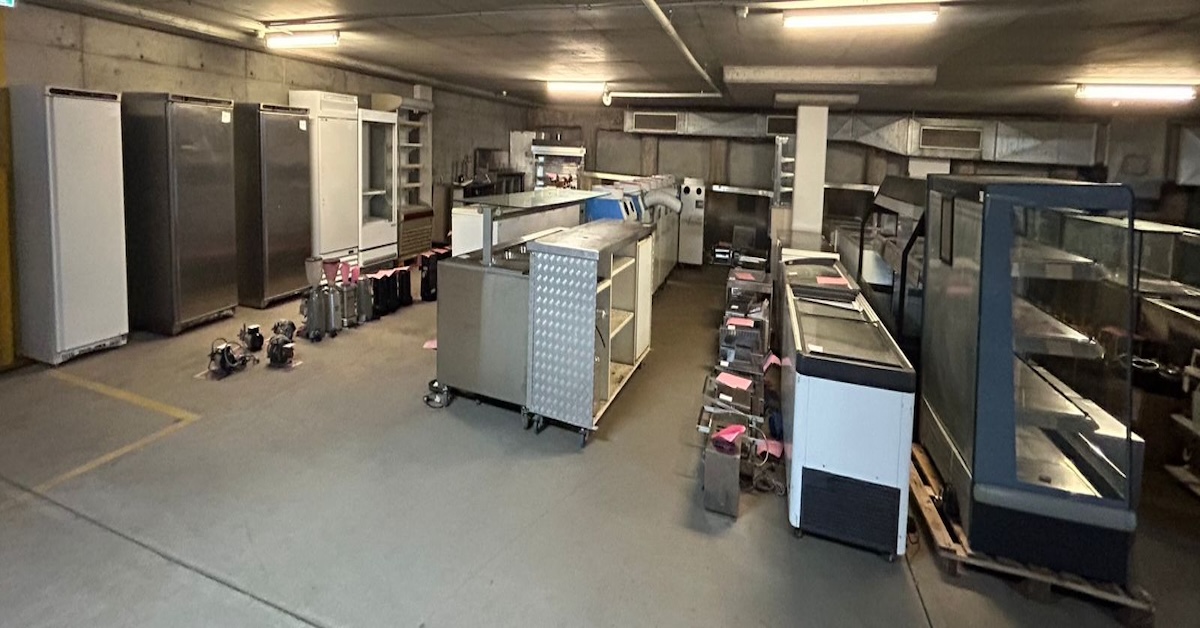
Surry Hills café and restaurant operators could snap up commercial catering equipment at bargain prices after more than 1,000 items were uncovered in a hidden Sydney basement storage site.


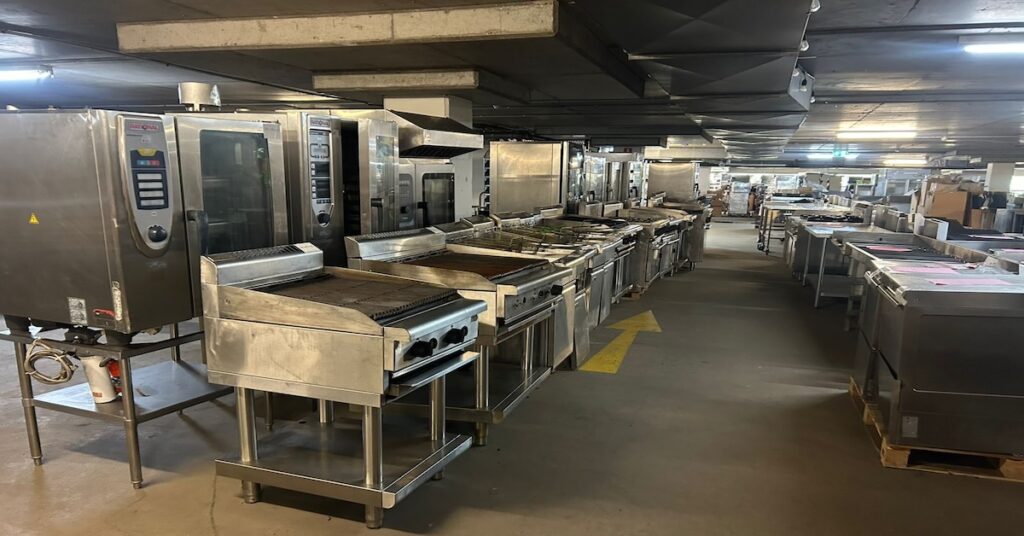
Lloyds Auctions says the underground find spans two full basement levels packed with commercial catering assets worth more than $1 million, including refrigeration units, ovens, benchtops and display cabinets.

With the owner of the basement requiring the space to be cleared immediately, all items will be sold through unreserved online auctions starting from $1.

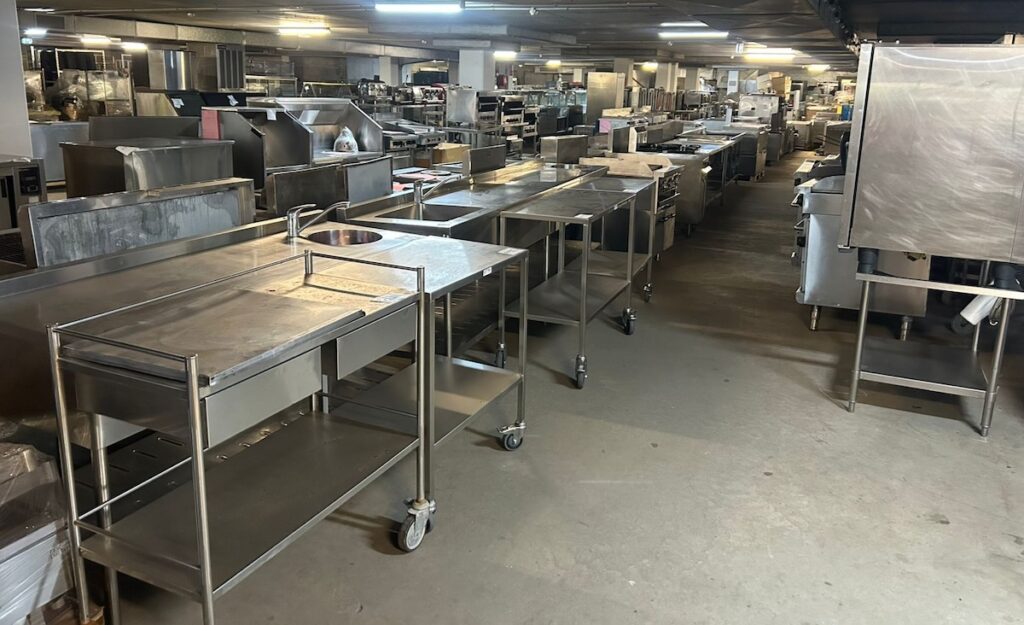
“This is a sea of stainless steel as far as the eye can see, across two basement levels,” Lloyds Auctions Chief Operations Officer Lee Hames said.

Photo Credit: Supplied

“I have never seen anything of this scale in this industry. The volume of equipment uncovered in this basement is extraordinary.”

The clearance is expected to attract strong interest from hospitality operators, restaurateurs, caterers and resellers looking to secure commercial equipment at reduced prices.

“The opportunity for business owners in this industry to get ahead is very real as every single item will be going under the hammer with no reserve and starting at $1, meaning everything will be sold,” Mr Hames said.

The clearance includes a wide range of commercial refrigeration assets, ovens, benchtops, display cabinets and other catering equipment.

Photo Credit: Supplied

Given the scale of the find and ongoing cost pressures facing businesses, the auction house expects buyers from across southeast Australia to participate.

The auctions will be conducted online only, closing on Tuesday 19 May and Wednesday 20 May from 10:00 a.m., with bidding now open through Lloyds Auctions.


Published 18-May-2026

Surry Hills Village Gains NSW Architecture Awards Shortlist Recognition

At the southern edge of Surry Hills, Surry Hills Village has moved from a former supermarket and warehouse site into a recognised mixed-use precinct, with the project now shortlisted across several categories in the 2026 NSW Architecture Awards.


The Australian Institute of Architects named the project in the commercial architecture, residential architecture – multiple housing, and urban design categories. Winners are scheduled to be announced on 2 July 2026.

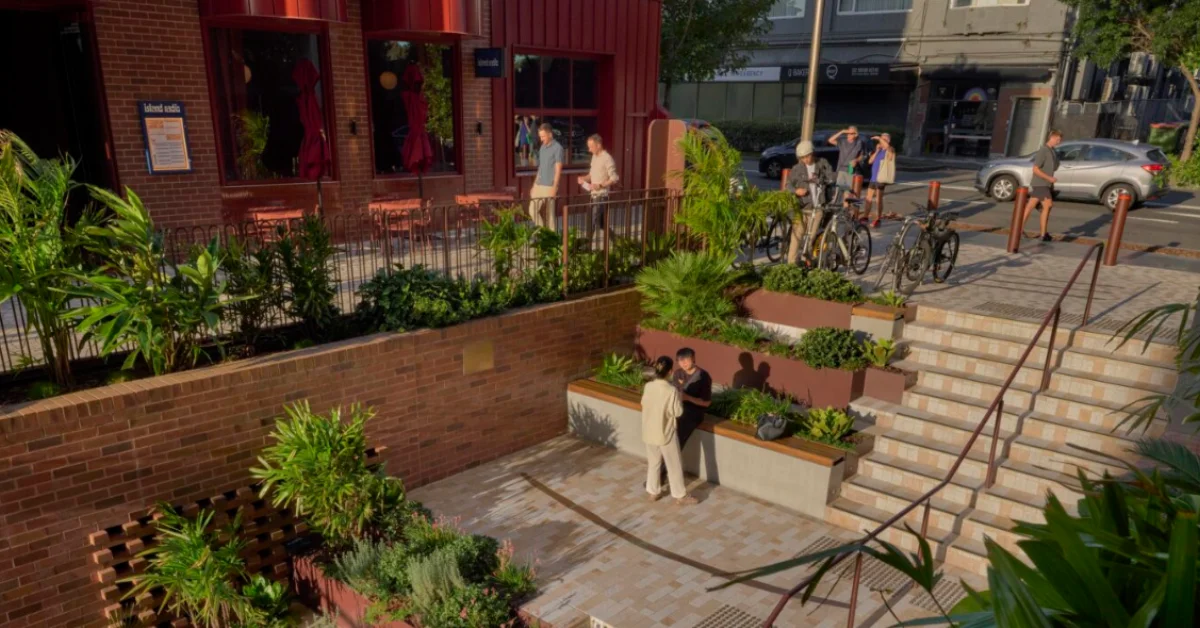
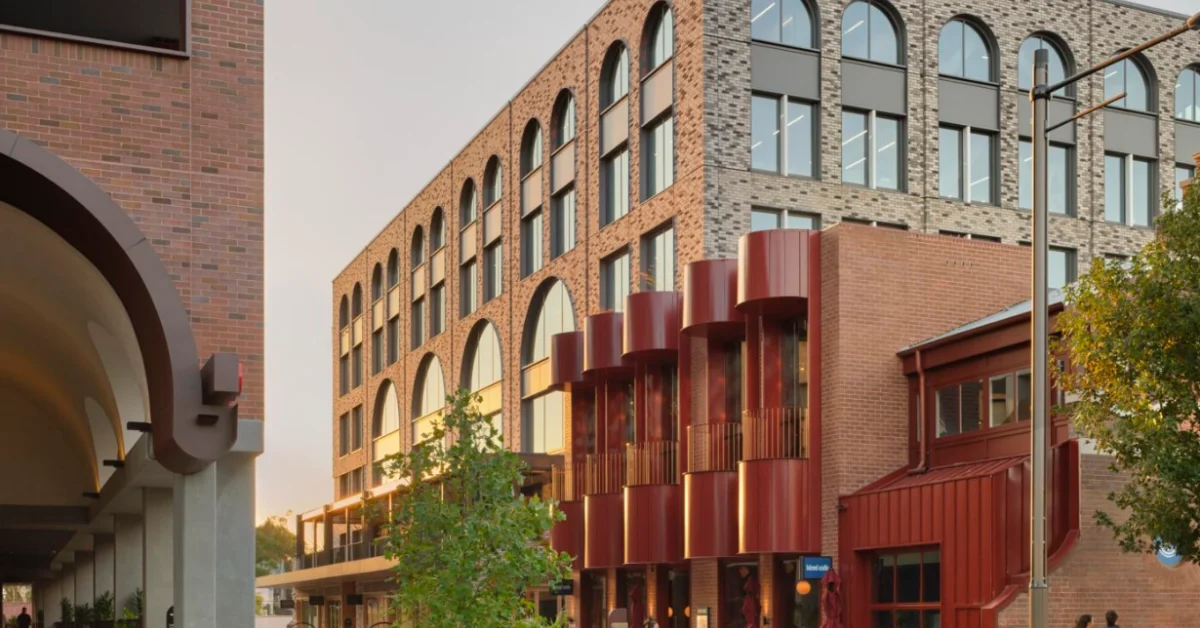
Centred around Wunderlich Lane, the precinct spans 12,244sqm and brings together apartments, terrace houses, shops, dining venues, workspaces, heritage elements, open areas and The EVE Hotel Sydney. The development has been arranged as seven village-style sections, creating a mix of residential, hospitality and street-level uses within one inner-city precinct.

 Wunderlich Lane
Photo Credit: SJB

Wunderlich Lane Anchors The Surry Hills Precinct

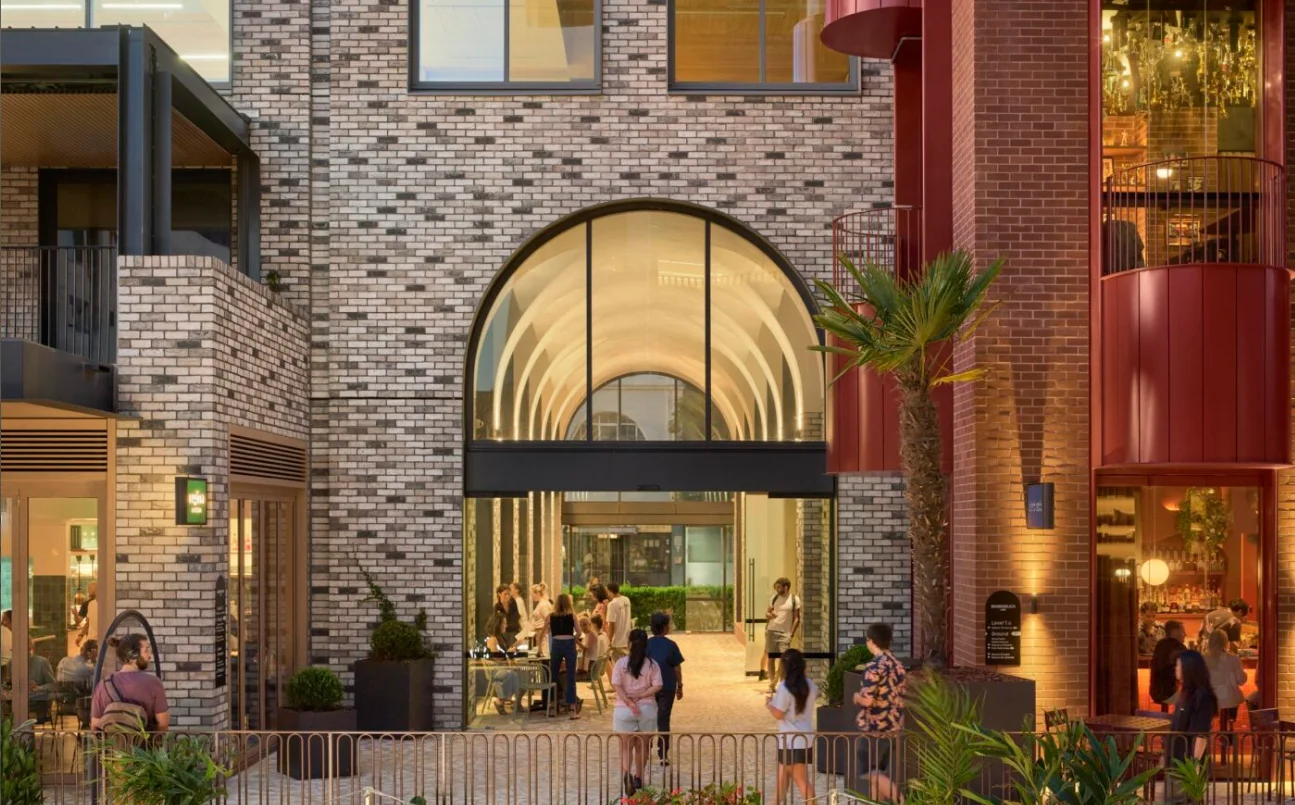
Wunderlich Lane connects Baptist and Marriott streets and forms a central part of the precinct’s layout. Its food and retail mix includes Coles, Harris Farm Markets, Messina, Olympus Dining, Island Radio, Bar Julius and Saardé, alongside other tenancies within the precinct.

The EVE Hotel Sydney adds a 102-room boutique hotel to the development, with a rooftop pool and bar. Hospitality spaces, retail areas and outdoor seating are arranged around the laneway, giving the precinct a clear connection between buildings, landscape and street-level activity.

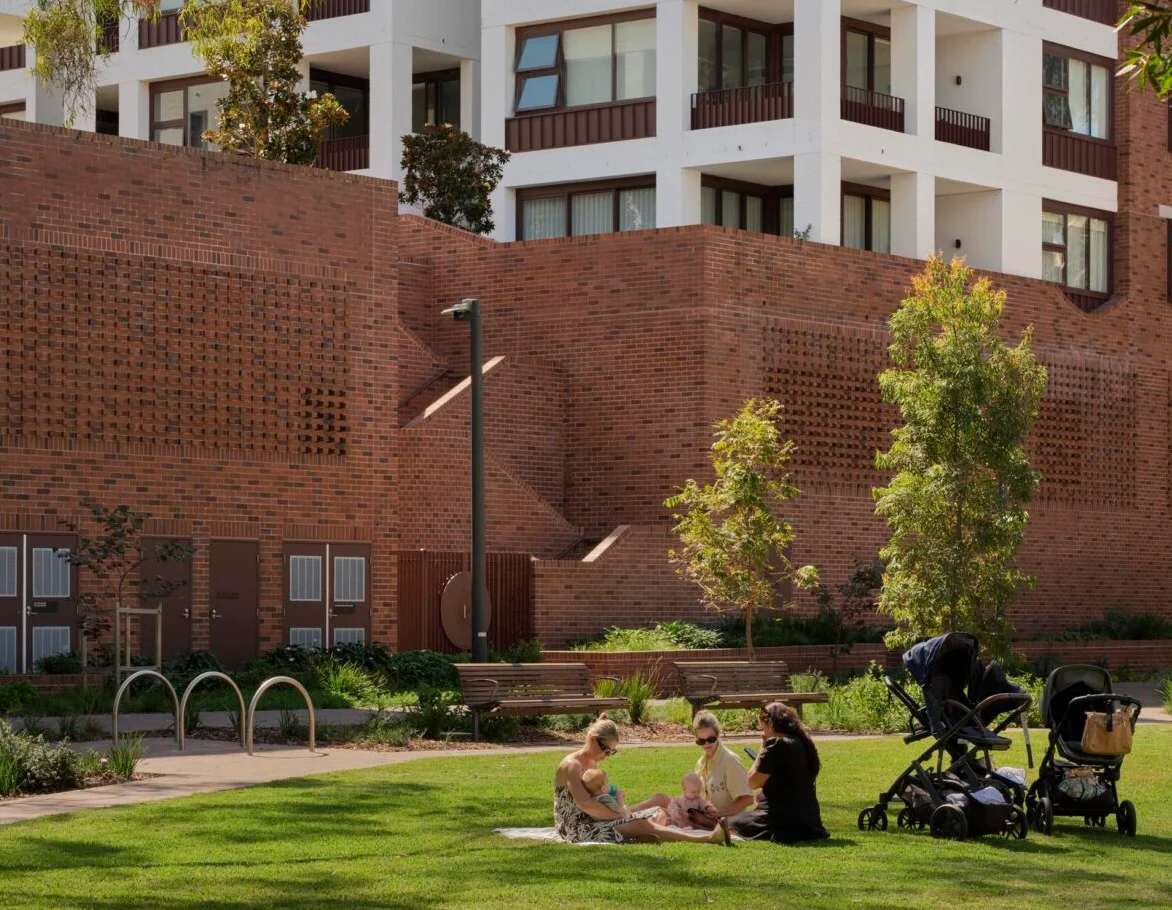
The residential component sits alongside this activity, with four multi-residential buildings and terrace houses forming the Marriott Street edge. Brickwork, organic forms and shared green spaces are used across the residential buildings, with communal areas included for residents.

NSW Architecture Awards
Photo Credit: SJB

Design Recognition Spans Housing, Commercial and Urban form

The awards shortlist places Surry Hills Village across several design fields, reflecting the scale and complexity of the project. SJB led the architectural design as principal architect, Studio Prineas worked on the heritage component, and ASPECT Studios shaped the landscape and public domain.

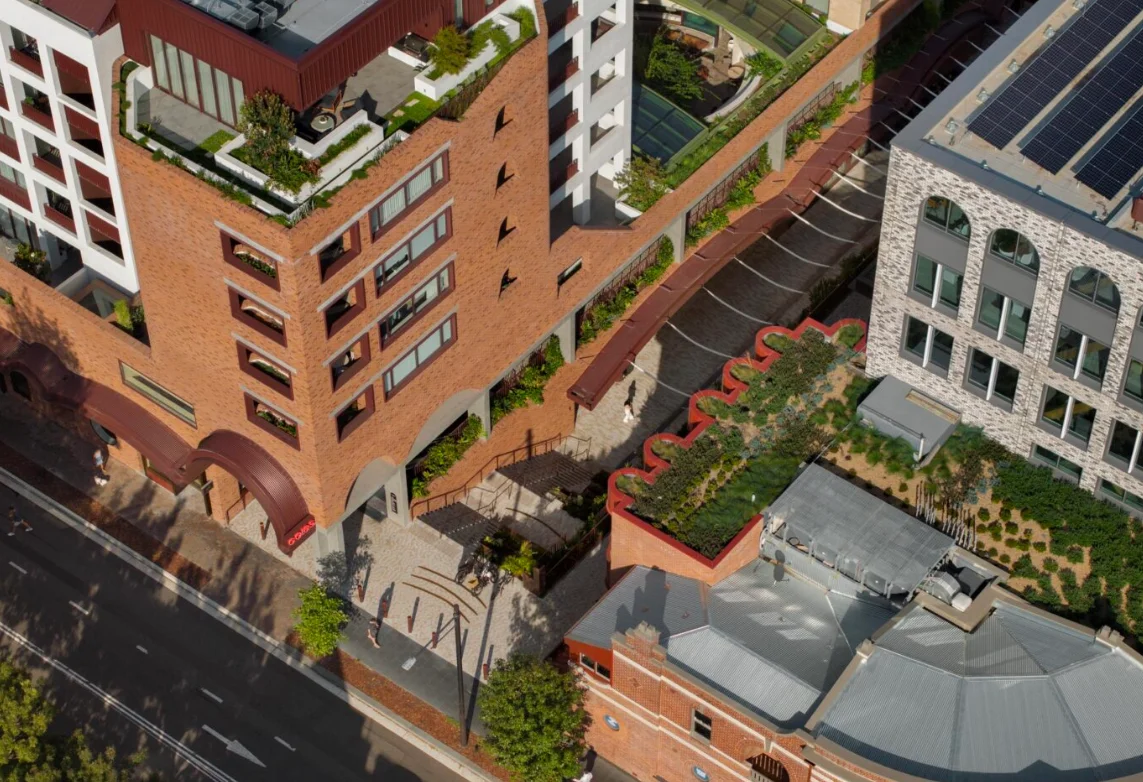
The project also includes a retained heritage element at the corner of Cleveland and Baptist streets, where the former Bank of NSW building façade has been incorporated into the development. Studio Prineas retained the Victorian-era brick façade, with food and beverage spaces now occupying the structure.

At the Cleveland and Marriott streets corner, a commercial building using mass timber construction forms another part of the precinct. Its brickwork and arched windows create a visible marker for the development from Cleveland Street.

mixed-use precinct
Photo Credit: SJB

Landscape Brings New Movement Through Surry Hills Village

A key part of the project is the way Surry Hills Village reworks a previously enclosed site into a more connected precinct. Laneways, streetscapes, public artworks, rooftop gardens and a new park form part of the design.

The new laneway opens the site to the surrounding street network and creates active edges through the precinct. Planting areas, seating, courtyards and retail spill-out spaces have been arranged to support dining, gathering and everyday movement through the area.

Surry Hills Village
Photo Credit: SJB

Greenery is carried throughout the development, from balconies and private planters to rooftop gardens and shared courtyards. The landscape strategy includes native plants, low-water species and permeable green spaces, with the design also aimed at supporting urban cooling and resilience.

A new park has also been added on a former carpark, retaining mature eucalypts while adding new street trees and a cycle link between Baptist and Cooper streets.


The shortlisted entries position Surry Hills Village as more than a single-use development. Its recognition across commercial architecture, multiple housing and urban design highlights a precinct shaped by new residences, retained heritage, laneway retail, hospitality and landscape-led open space.

Published 12-May-2026

Underground Wiring Fault Blamed for Fatal Surry Hills Manhole Electrocution

Pedestrians in Surry Hills are being urged to stay vigilant after a hidden underground electrical failure turned a standard neighborhood footpath into a deadly public hazard.


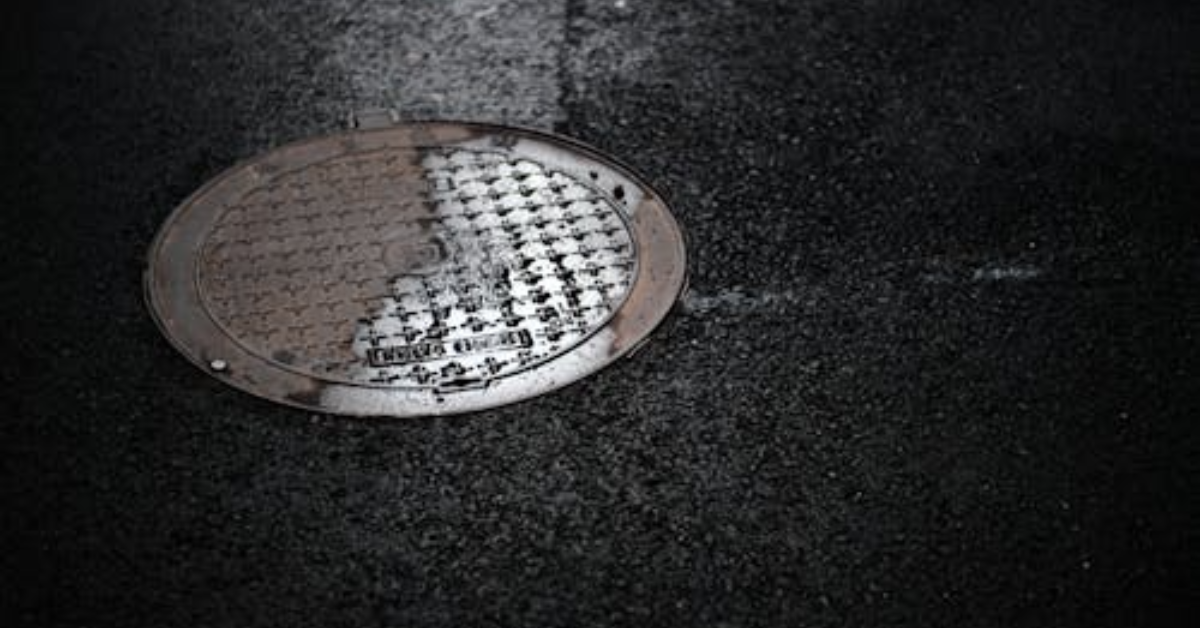
The tragic incident occurred on 14 January during a routine walk down Crown Street. A local resident was walking their Staffordshire bull terrier alongside another dog when the pet stepped onto a metal manhole cover. The dog died immediately from a massive electrical surge. 

The owner also suffered a severe electric shock while trying to help their pet and required transport to a nearby hospital for emergency medical treatment. Other local pedestrians had reportedly crossed over the exact same metal plate shortly before the incident without realizing the danger, spared from injury only by the non-conductive rubber soles of their shoes.

An internal engineering investigation by the electricity network provider, Ausgrid, revealed that the tragedy was caused by a complete failure of underground infrastructure. Investigators discovered that a live electrical current had transferred directly into the metal pit frame. This happened after a critical fault developed inside an underground metal link box, where the protective cable insulation had completely degraded due to severe heat damage. Local moisture levels, extreme weather conditions, and recent third-party footpath construction works carried out in late 2024 all combined to trigger the catastrophic insulation breakdown.

In the wake of the neighborhood tragedy, energy officials have classified the vulnerability as a legacy infrastructure issue that does not affect modern construction standards. Network spokespeople stated that the utility company has since informed the grieving owner of their technical findings. 


To prevent further community hazards, utility crews launched an immediate safety audit of all pit installations linked to the recent Crown Street upgrade. Workers are currently inspecting older-style link boxes across the network and have expanded a specialised vehicle-mounted voltage detection programme to actively scan local public roads and footpaths for hidden electrical dangers.

Published Date 27-May-2026

Diethnes to Close After 74 Years, Taking a Piece of Sydney With It

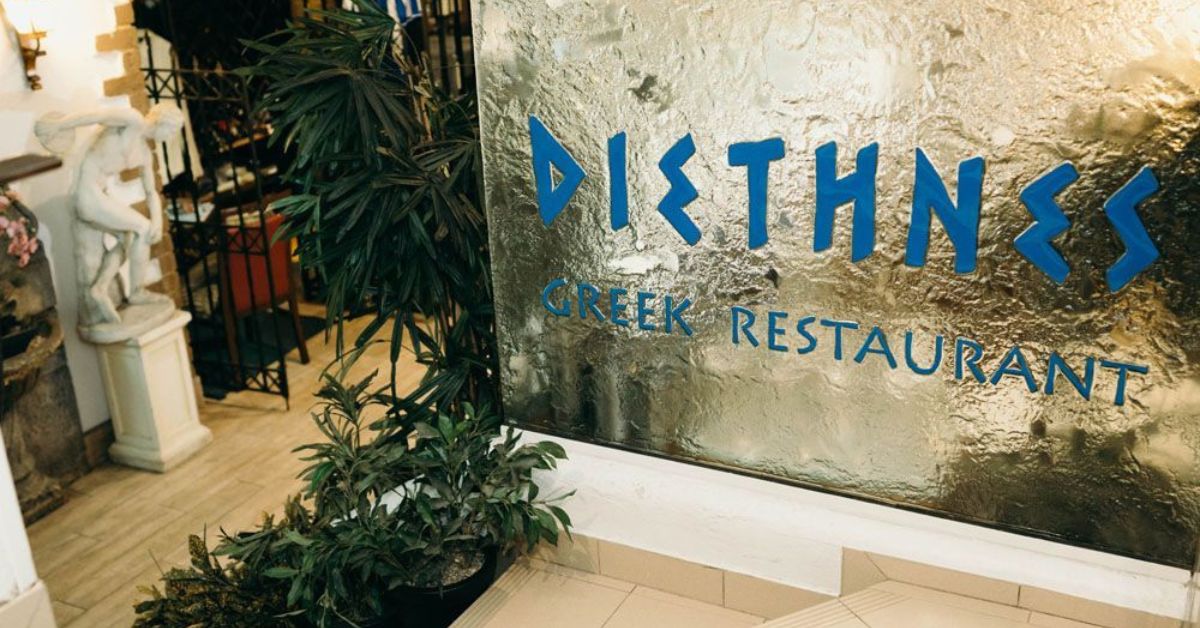
Diethnes, Sydney’s original Greek restaurant, will serve its last meal on 30 May after 74 years in the city, with the family-run basement institution on Pitt Street forced to close as a major redevelopment claims its block.


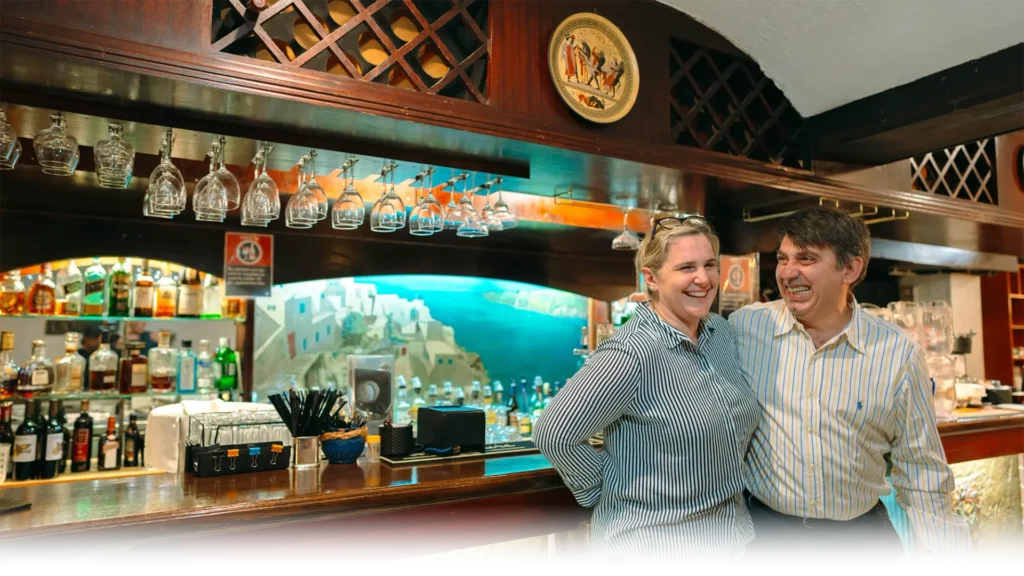
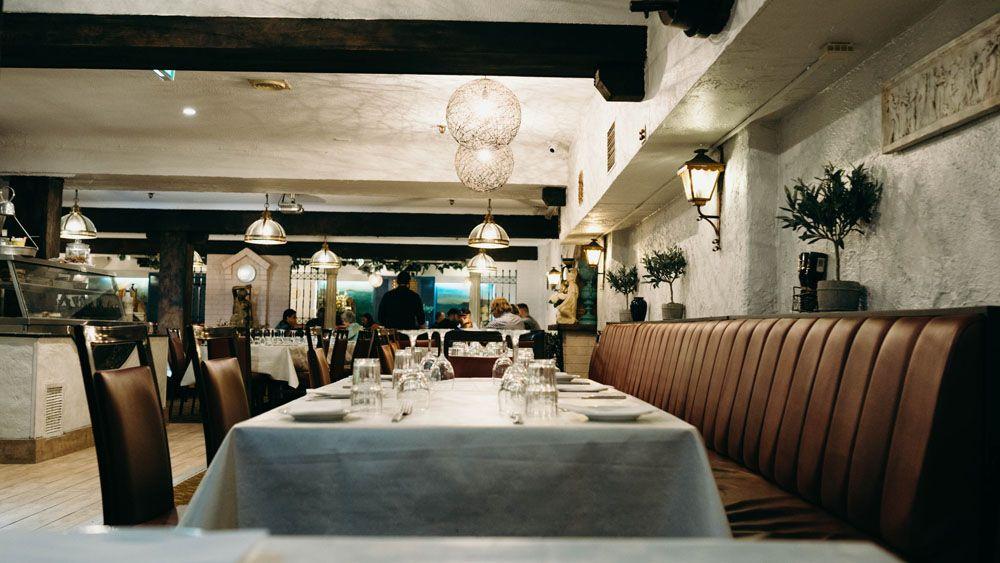
The news has hit Sydney’s hospitality community hard. For three generations, the Ventouris family has kept the flame alive in a subterranean dining room that feels more like a relative’s kitchen than a city restaurant, a place where the moussaka arrives the same way it always has, where owner John Ventouris greets regulars by name from the bar, and where the décor has never needed to chase a trend because it never stopped feeling right.

When the doors close at the end of May, a stretch of unbroken family hospitality that began in 1952 comes to an end.

A Migration Story Served on a Plate

The origins of Diethnes are woven into the broader story of Greek migration to Australia. The restaurant first opened in 1952, during a period when Greek migrants were beginning to shape the character of Sydney’s food scene in lasting ways. Its modern chapter began in 1967, when Phillip Ventouris, who had migrated to Australia from the Cyclades, joined the business. He started as a kitchen hand and worked his way to ownership, moving the restaurant to its current Pitt Street address in 1977. In 2000, his son John and John’s wife took over, committing themselves to preserving what Phillip had built rather than reimagining it.

Diethnes
Photo Credit: Diethnes

That commitment showed in every detail. The dining room kept its taverna warmth, the menu stayed anchored to roast lamb, moussaka, spanakopita and mezze plates designed for sharing, and the service remained the kind that knows your name. John describes the philosophy simply: the Diethnes experience is built on what Greeks call filotimo and filoxenia, pride and hospitality, and those values guided every service for a quarter century of his tenure.

The Basement That Time Chose Not to Leave

Part of what made Diethnes so distinctive was the venue itself. Tucked below street level, the basement dining room became something of an unofficial refuge from the pace of the city above. The lack of phone signal, which in another context might be a frustration, became one of the restaurant’s most quietly celebrated features among its regulars, who came to regard it as one of the few places in the CBD where a long lunch could unfold without interruption.

Photo Credit: Diethnes

The atmosphere drew people from all walks of life over the decades. Members of the band INXS wandered in during John’s early years behind the bar. The restaurant attracted well-known faces from business and public life, drawn by the same combination of reliable food, warm service and the sense of stepping somewhere that operated by its own unhurried rules.

Why the Doors Are Closing

The closure is not a business failure. Diethnes has operated on a month-to-month lease for close to a decade, knowing that a redevelopment of the block was a matter of when, not if. The massive multi-tower redevelopment and retail precinct planned for the site simply has no room for the restaurant in its current form. 

Relocating has proven unrealistic. With annual rents for suitable CBD premises running into the hundreds of thousands of dollars, and the cost of fitting out a new venue adding millions more, John reached a conclusion that many long-serving hospitality operators eventually face: the numbers required to start again simply didn’t justify the risk at this stage of his life. He has four children, but none are planning careers in hospitality, .leaving the Diethnes name without a clear successor for the first time in 74 years. While John hasn’t ruled out a revival further down the track, the family is currently focused on a dignified finish. 

The broader landscape has shifted too. Foot traffic in the CBD thinned significantly after the pandemic, as working-from-home patterns changed who was in the city and when. Long-standing regulars aged out or moved on. John acknowledges the dining culture itself has changed around him, with quick ordering and phone-forward table habits replacing the kind of unhurried, conversation-centred meals that Diethnes was built for.

Business Sydney executive director Paul Nicolaou captured the sentiment around the closure when he described Diethnes as part of the story of Greek migration to Australia, a venue that helped shape Sydney’s hospitality scene at a time when migrant communities were establishing themselves and contributing to the city’s character. His view that Sydney is losing a piece of its soul reflects what many longtime customers already feel.

One Last Chance to Go Downstairs

Diethnes at 336 Pitt Street, Sydney, is open for lunch Tuesday to Saturday from noon and for dinner Tuesday to Saturday from 5.30pm, with final service on 30 May 2026. Bookings can be made via the restaurant’s website at diethnes.com.au or by phone on (02) 9267 8956.


Published 17-April-2026

More Than 32,000 Sign Petition to Save Moore Park as July Closure Looms Over Nine Holes

A petition calling for the full 18-hole layout at Moore Park Golf Course to be retained has attracted more than 32,000 signatures, as the deadline to shut down half the course closes in and key studies on contamination and community feedback remain unreleased.


The online campaign, launched in January and backed by Golf Australia, describes Moore Park as “a beloved Sydney treasure and Australia’s most accessible public golf course.” It is urging a reversal of the plan to strip nine holes from the course and replace them with new parkland, a plan set to take effect on 1 July when the existing lease agreement over the course expires.

A Decision Years in the Making

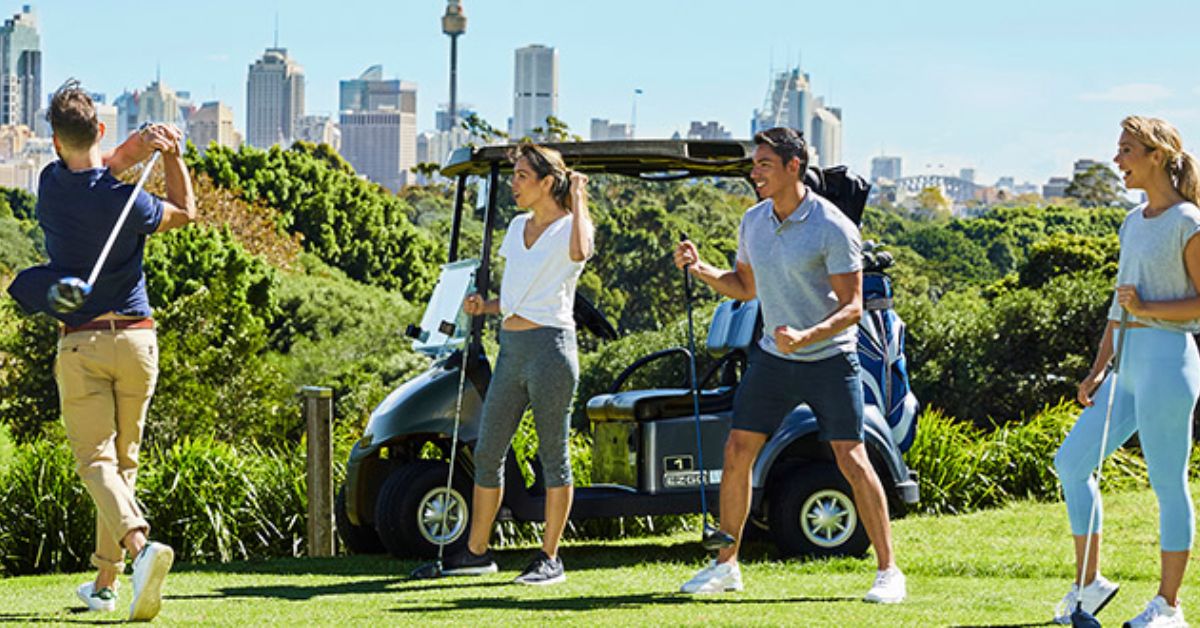
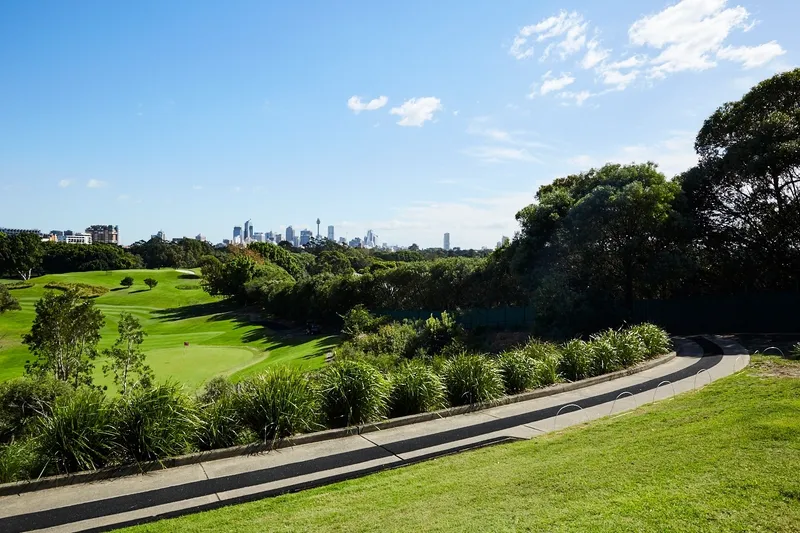
The Moore Park golf debate has its roots in Sydney’s shifting urban geography. When public land at Moore Park was first allocated for a nine-hole golf course in 1913, the surrounding area was predominantly industrial. The course was extended to 18 holes in 1922, and for more than a century it has operated as one of the country’s most-used public courses, recording around 100,000 rounds a year and generating roughly $7 million in annual revenue for the broader Centennial Parklands precinct.

Moore Park Golf Course
Photo Credit: Moore Park Golf Course

The calculus changed as the Green Square, Zetland and Waterloo residential corridor transformed into one of the most densely populated parts of Australia. By 2041, the population within five kilometres of the Moore Park site is projected to reach approximately 790,000. Proponents of converting the nine holes to parkland argue the land’s original purpose has long been overtaken by community need.

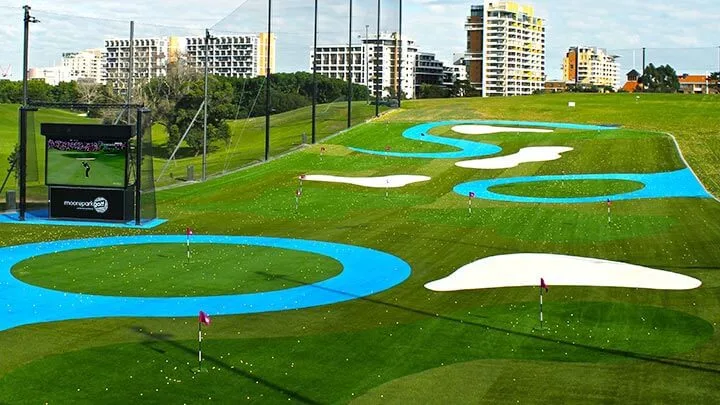
In October 2023, Premier Chris Minns announced the conversion, citing that need. The Establishment Plan, released for public comment in October 2025 and covering 20 hectares of the western portion of the course, proposes a community sports field, walking and cycling paths, exercise stations, picnic areas and a reconfigured nine-hole layout with an expanded driving range of 90 bays. The 2025-26 budget allocated $50 million for the project.

The Two Questions That Remain Unanswered

Community consultation on the Establishment Plan closed on 24 November 2025. More than four months later, no summary of that feedback has been released publicly.

Concerns are digging deeper than just the surface. The Raleigh Park Community Association has flagged the site’s dark history as a former tip and incinerator, highlighting records of infected materials dumped during the bubonic plague era. While the planning head claims preliminary checks only turned up common contaminants, comparing the site to the now popular Sydney Park, the refusal to release the full independent results is fueling local suspicion.

Photo Credit: Save Moore Park Golf Course

The lack of both reports has hit a nerve with those fighting to save the course. They argue that pushing for a July start while keeping the public in the dark on safety and feedback is a massive blow to the project’s integrity. If the site is as safe as claimed, locals are asking why the findings haven’t been front and centre.

The Counter-Proposal That Has Not Gone Away

The Moore Park Golf Collective, an alliance comprising Golf Australia, Golf NSW, the PGA of Australia and the Moore Park Golf Club, put forward an alternative proposal during the 2024 consultation period. Developed by consultancy Sport Eng, the counter-plan proposes retaining the full 18-hole course while transforming currently underused and undeveloped land within the broader precinct into recreational space, including three kilometres of running, walking and cycling paths, an adventure playground, a sports field, a skate park, a BMX track, a fitness trail and a dog park.

Golf Australia general manager Damien de Bohun said the sport’s continued growth strengthened the case for keeping the course intact. “We are absolutely clear that Moore Park staying 18 holes is the right answer. We’ll continue to work on that, and we won’t rest until that outcome is achieved,” he said.

Selling agent Clint Ballard from Sydney Sotheby’s International Realty noted the obvious: “Golf is growing and flourishing so strongly right now that it’s given us a much stronger voice in this debate.” The coalition argues the alternative plan delivers the same open space outcome without eliminating a public sporting facility that serves a city where golf participation is growing, not declining.

What Happens on 1 July

Unless the plan is reversed, works on the new 20-hectare park begin after the lease expires on 30 June. Staged openings are planned from late 2026, with full completion of the parkland conversion expected by the end of 2028. The nine-hole course and the driving range are expected to continue operating throughout the construction period, though the specifics remain subject to finalisation.

Residents and golfers wanting to track developments or lodge comment can visit the Greater Sydney Parklands website, or follow the Save Moore Park Golf campaign at savemooreparkgolfcourse.com.au.


Published 04-April-2026

Pelle Shoes at 30: Three Decades on William Street

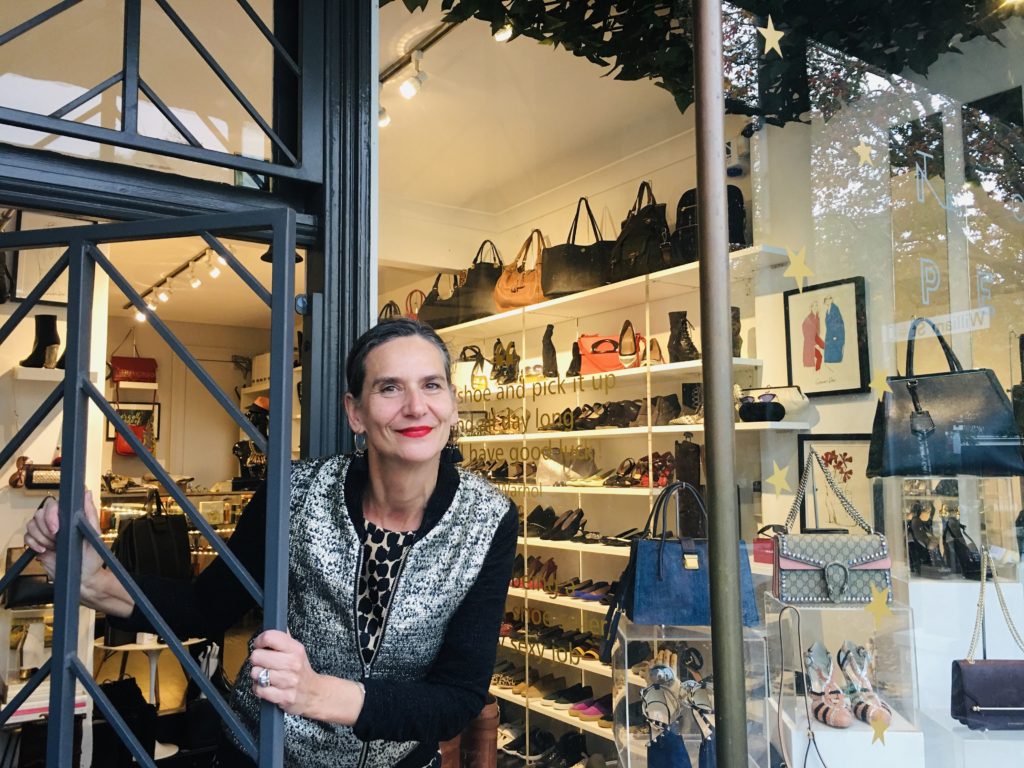
Monica Schnieper opened her pre-loved designer shoe and accessories store Pelle on William Street in Paddington in March 1996, and three decades later she is still at the same address, still hand-selecting every pair, and still drawing customers who have been visiting since childhood.


Pelle, Sydney’s first consignment shoe store, sits at 90 William Street in a Victorian terrace in one of the city’s most recognisable boutique precincts. By most measures of small retail longevity, reaching 30 years in the same location is an extraordinary feat. On a street where Ms Schnieper estimates only around three stores have lasted as long as she has, the anniversary feels significant.

The Bet That Paid Off Over Three Decades

Monica Schnieper brought a unique technical background to Sydney from Zurich, where she trained as a professional shoe repairer with Bally. When she took out the lease on the William Street terrace in 1996, she started with just one year, wary of committing too deeply to something untested. “I didn’t know if it was going to work,” she said.

Photo Credit: Pelle Shoes Pre-loved Designer/Google Maps

It worked. And it kept working through the retail disruptions that have since reshaped the high street in ways that 1996 could not have anticipated. Online shopping ate the bottom out of the fashion market. Rents on desirable inner-city strips climbed well beyond what most small operators could sustain. The pandemic shut retail entirely for months. The post-pandemic cost-of-living pressures reduced discretionary spending. Through all of it, Pelle held its position.

Ms Schnieper credits the store’s resilience in part to its model. Pelle operates on consignment, meaning sellers bring or send photos of pre-loved designer items, and the store displays and sells them on their behalf. Stock turns over constantly, arrivals are unpredictable, and the floor on any given week might include Manolo Blahnik, Jimmy Choo, Prada or Miu Miu at a fraction of the original price. That combination of freshness and value gives customers a reason to keep coming back in person, something an online search cannot fully replicate.

“I have loved recycling from the age of eight when my grandma took me to the flea market,” Ms Schnieper said. “I fell in love with second-hand and preloved and the history of what came before me.”

That personal connection to every item in the store, developed over decades and rooted in a childhood passion, is not something easily automated or scaled.

The Street That Kept Changing Around Her

William Street has transformed considerably since Pelle opened. What was once a largely residential backstreet with only a few commercial frontages gradually became one of Sydney’s most recognised boutique precincts. It attracted independent designers and destination stores throughout the late 1990s and 2000s, then watched many of them close as rents rose and the economics of inner-city retail tightened.

Neighbouring consignment store Di Nuovo ranks among the longest-standing businesses on the strip, having preceded Pelle’s arrival by three years when it opened in 1993. The parallel is not incidental. In a retail environment where the pressure on physical stores has been relentless, it is the stores with a reason to be visited, rather than browsed online, that have proven most durable.

Ms Schnieper acknowledged the losses along the strip. Around three stores, she estimates, have lasted as long as she has at the same address.

Loyalty That Spans Generations

The customers who have sustained Pelle through three decades are not anonymous. Paddington resident and fashion auctioneer Ida Combley has been visiting the store since she was a child, brought there by her mother and aunt. “They’ve been here my entire life in the same spot,” she said. “Anyone who’s a local definitely knows about Pelle.”

That multi-generational loyalty is not something that appears quickly or can be manufactured through a marketing campaign. It accumulates over years of consistent quality, a consistently changing stock and the kind of personal service that gives a regular customer confidence in what they are buying.

Australian actresses have also sought the store out over the years, a detail that initially caught Ms Schnieper off guard. “I was very surprised at that and a bit starstruck,” she said. The celebrity patronage continues, though Ms Schnieper has settled into it with equanimity.

Treating Herself More Often Lately

Despite spending three decades surrounded by beautiful objects, Ms Schnieper said she almost never kept anything for herself. The bills come first. “When that happens, then I can treat myself,” she said, before laughing. “Lately, it’s been happening more often.”

It is, in its way, the most honest measure of a business that has finally made it through the hard part.

Visiting Pelle

Pelle Shoes is located at 90 William Street, Paddington, NSW 2021. Consignment is available by appointment or by emailing photos for appraisal. Contact the store on 02 9331 8100 or visit pelleshoes.com.au.


Published 04-April-2026

Waterloo Included in Operation Surge as Police Arrest 18 in Sydney Crackdown

Waterloo was among several Sydney locations targeted in a large-scale police operation against domestic violence offenders, with coordinated enforcement leading to multiple arrests and compliance checks across the city.


Coordinated Enforcement Extends to Waterloo

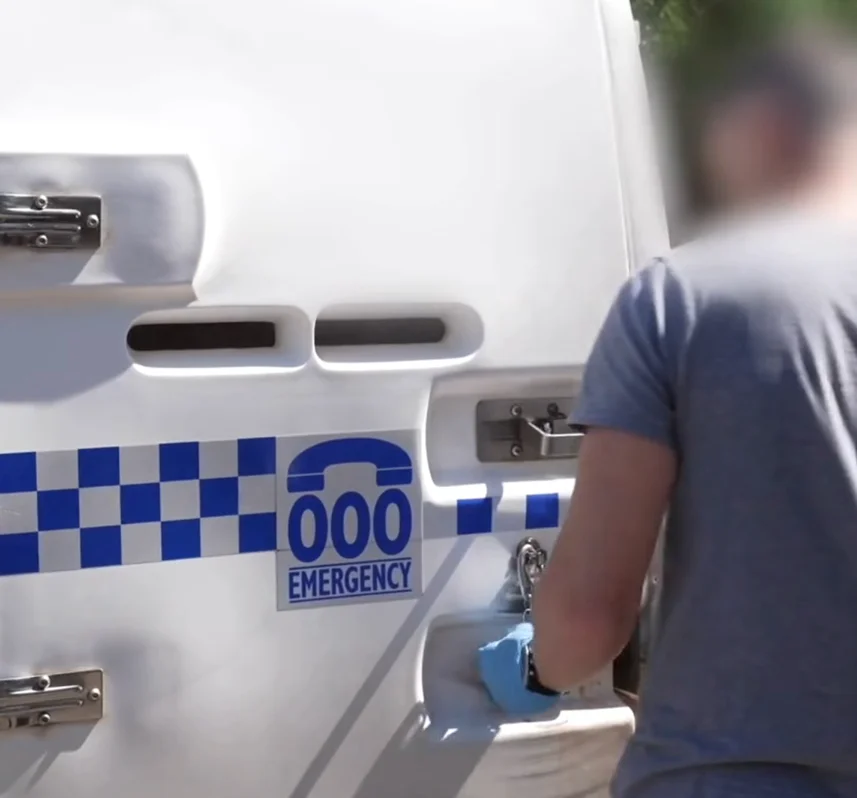
A concentrated, intelligence-led operation was carried out across Sydney’s central metropolitan region, bringing together officers from multiple commands to locate individuals linked to domestic violence incidents. Waterloo formed part of the broader sweep, which focused on executing outstanding warrants, enforcing apprehended domestic violence orders, and monitoring compliance with bail conditions.

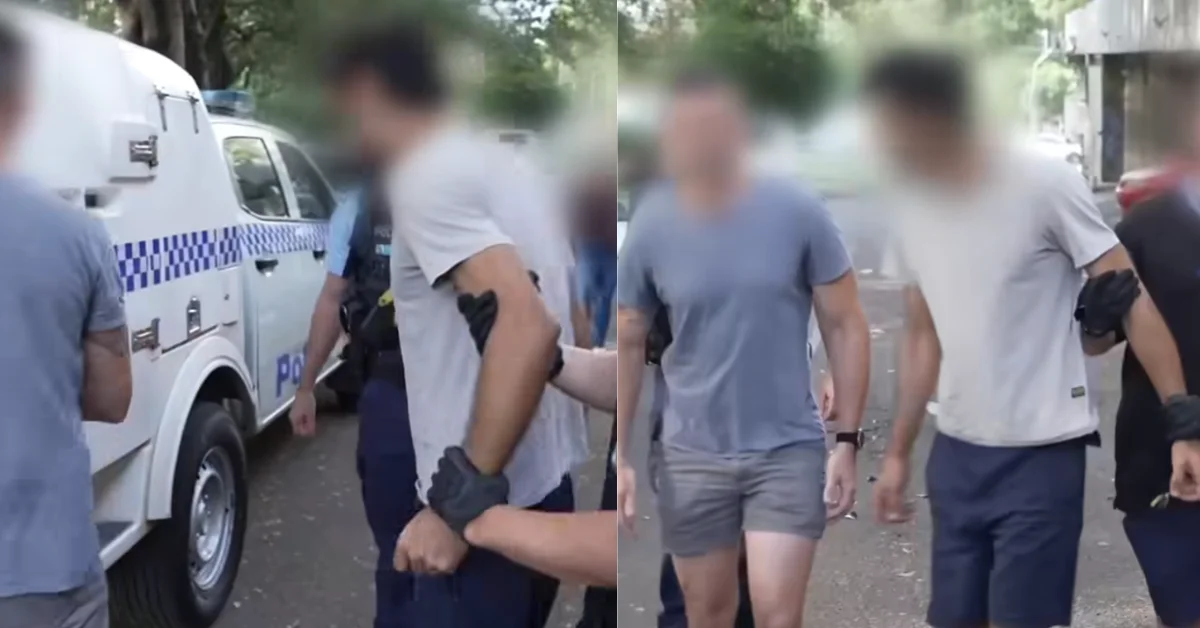
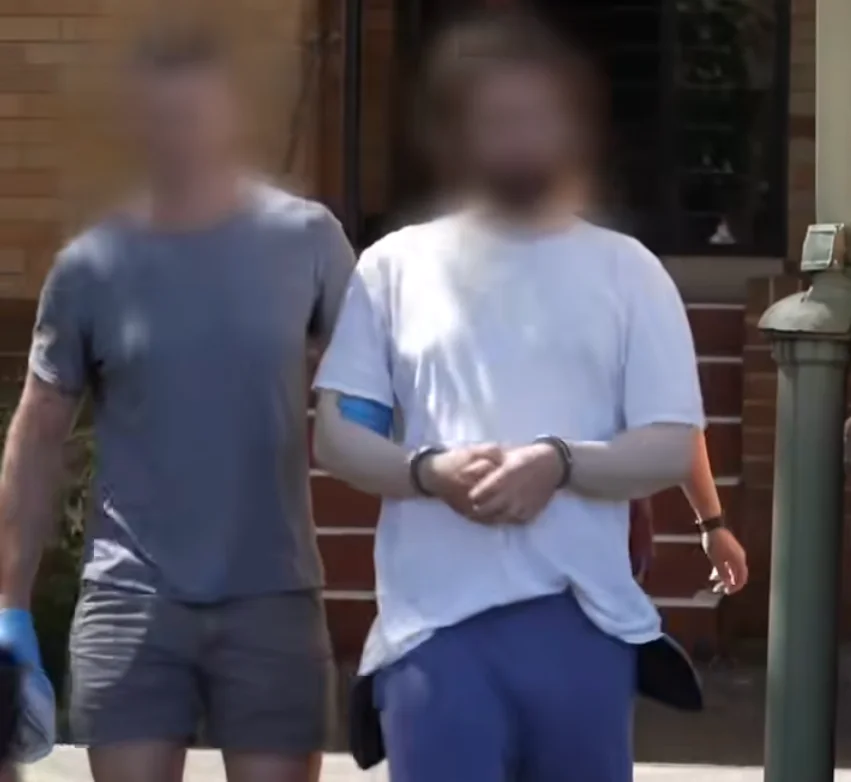
During the operation, 18 individuals were arrested and charged with a total of 31 offences. In Waterloo, officers attended a residential address on John Street where a 37-year-old man was taken into custody for alleged breaches of a domestic violence order. The enforcement activity targeted known offenders and those already subject to legal restrictions.

Waterloo Operation Surge
Photo Credit: NSW Police Force/Facebook

High-Volume Checks Drive Early Intervention

Police carried out extensive compliance activity across the region, including more than 450 apprehended domestic violence order checks and over 220 bail compliance checks. Nine breaches were identified during these checks. Officers also conducted firearm prohibition order searches as part of efforts to prevent access to weapons among restricted individuals.

The operation focused on early intervention by identifying high-risk situations and ensuring existing legal orders were being followed. The coordinated approach allowed officers to act quickly across multiple locations using shared intelligence.

Surry Hills Among Key Locations in Operation Surge

Surry Hills was also a focal point of enforcement, with a 42-year-old man arrested and charged with several domestic violence-related offences following police action in the area. Additional arrests were made across nearby suburbs as part of the same coordinated effort.

The operation forms part of an ongoing strategy to address domestic violence through targeted enforcement and continued monitoring. Similar deployments are scheduled to take place in other metropolitan regions in the coming months.

 ADVO compliance
Photo Credit: NSW Police Force/Facebook

Support Services and Reporting Pathways

Information about responses to domestic and family violence is available through official NSW Police resources online. Support services for victim-survivors can be accessed via 1800RESPECT on 1800 737 732 or through its website. Reports of domestic and family-related incidents can be made at local police stations, while emergencies require immediate contact with Triple Zero (000).


Members of the public with relevant information are encouraged to contact Crime Stoppers on 1800 333 000 or submit details online, with confidentiality maintained. Authorities advise against reporting information through social media channels.

Published 31-Mar-2026

Surry Hills Hollywood Quarter Included in Sydney 24-Hour Trading Proposal

The Surry Hills Hollywood Quarter has been included in a proposed expansion of late-night trading across Sydney, with plans to allow extended hours and potential 24-hour operations in select areas.


Surry Hills Precinct Part Of Wider Late-Night Shift

The proposal identifies the Hollywood Quarter in Surry Hills as one of several inner-city areas put forward for upgraded trading conditions. The precinct, centred around Foster and Campbell streets, is among locations that could be moved to a later trading tier.

If approved, venues within the precinct would be able to operate for longer hours, aligning with broader efforts to support nightlife activity across the Sydney CBD and surrounding areas. The changes are expected to benefit around 5,000 businesses.

Global Recognition Adds To Surry Hills Profile

Foster Street, located within the Hollywood Quarter in Surry Hills, was named one of the Coolest Streets in the World for 2024. The street placed 23rd globally, placing it alongside recognised locations in cities including Seoul, Miami and Montreal.

Together with nearby streets, the precinct forms a compact area linking Surry Hills with Central and Thaitown. The area supports a mix of dining venues, bars and cultural spaces within a walkable section of the inner city.

Surry Hills nightlife street
Photo Credit: Pexels

Expanded Precincts Across Inner Sydney

The broader proposal includes the expansion of special entertainment precincts and the introduction of new areas across the inner city. Locations such as Ultimo, Chippendale and Oxford Street are also included, alongside cultural sites including the Powerhouse Museum and The National Art School.

Other areas, including Walsh Bay, The Rocks and parts of Redfern, are also proposed for later trading classifications, allowing businesses to remain open longer under adjusted conditions.

Measures Aim To Balance Activity And Surroundings

The proposal includes tailored sound settings based on time and location, following acoustic testing across affected areas. Community feedback has informed the inclusion of new precincts and adjustments to trading hours in selected locations.


Further consultation is expected as the proposal moves through approval stages, with the changes forming part of a broader effort to support night-time activity while maintaining

Published 30-Mar-2026