



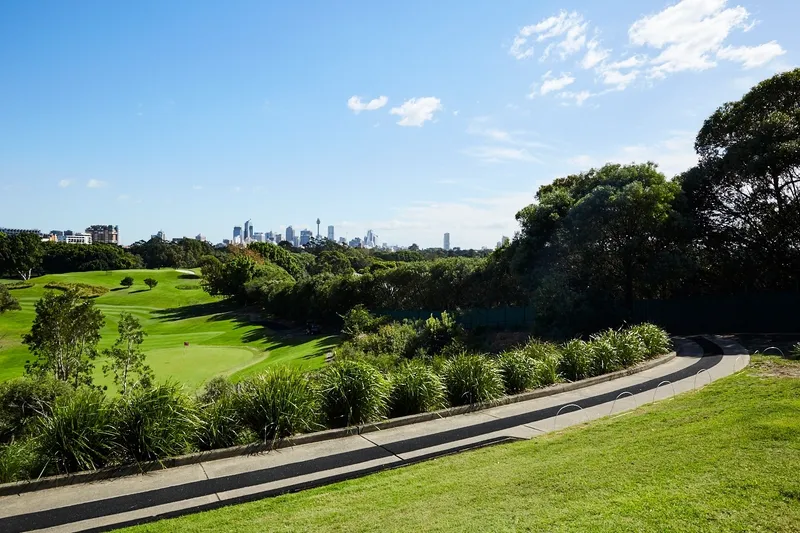
A petition calling for the full 18-hole layout at Moore Park Golf Course to be retained has attracted more than 32,000 signatures, as the deadline to shut down half the course closes in and key studies on contamination and community feedback remain unreleased.
The online campaign, launched in January and backed by Golf Australia, describes Moore Park as “a beloved Sydney treasure and Australia’s most accessible public golf course.” It is urging a reversal of the plan to strip nine holes from the course and replace them with new parkland, a plan set to take effect on 1 July when the existing lease agreement over the course expires.
A Decision Years in the Making
The Moore Park golf debate has its roots in Sydney’s shifting urban geography. When public land at Moore Park was first allocated for a nine-hole golf course in 1913, the surrounding area was predominantly industrial. The course was extended to 18 holes in 1922, and for more than a century it has operated as one of the country’s most-used public courses, recording around 100,000 rounds a year and generating roughly $7 million in annual revenue for the broader Centennial Parklands precinct.
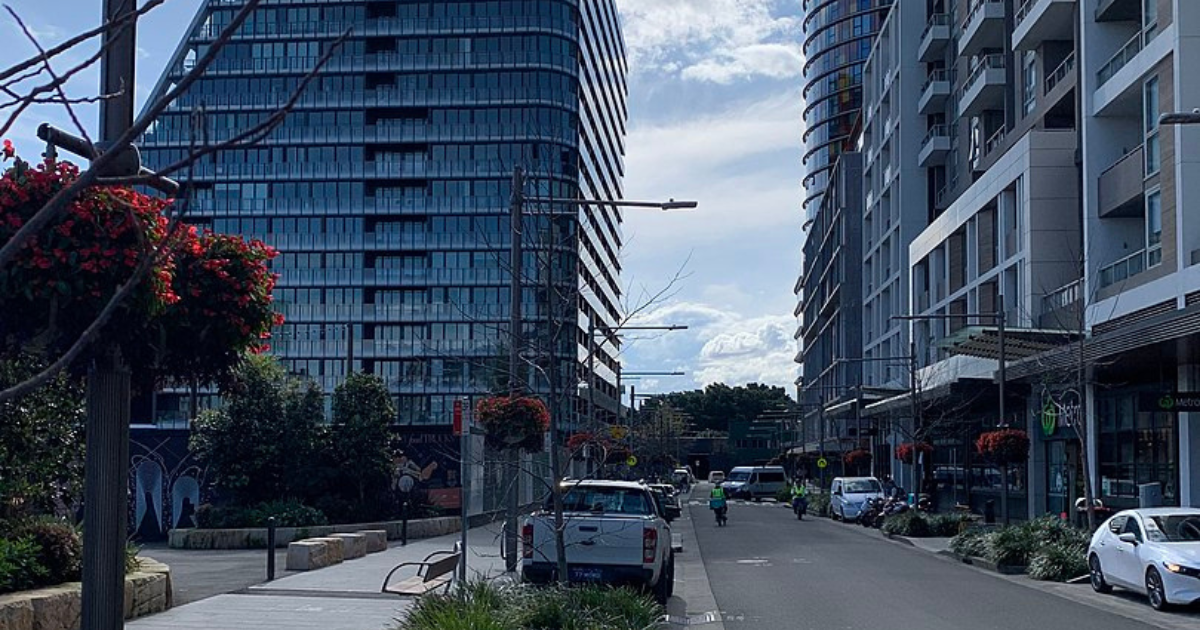
The calculus changed as the Green Square, Zetland and Waterloo residential corridor transformed into one of the most densely populated parts of Australia. By 2041, the population within five kilometres of the Moore Park site is projected to reach approximately 790,000. Proponents of converting the nine holes to parkland argue the land’s original purpose has long been overtaken by community need.
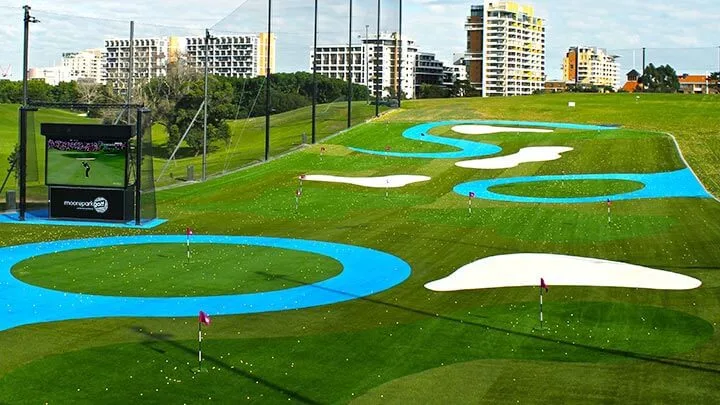
In October 2023, Premier Chris Minns announced the conversion, citing that need. The Establishment Plan, released for public comment in October 2025 and covering 20 hectares of the western portion of the course, proposes a community sports field, walking and cycling paths, exercise stations, picnic areas and a reconfigured nine-hole layout with an expanded driving range of 90 bays. The 2025-26 budget allocated $50 million for the project.
The Two Questions That Remain Unanswered
Community consultation on the Establishment Plan closed on 24 November 2025. More than four months later, no summary of that feedback has been released publicly.
Concerns are digging deeper than just the surface. The Raleigh Park Community Association has flagged the site’s dark history as a former tip and incinerator, highlighting records of infected materials dumped during the bubonic plague era. While the planning head claims preliminary checks only turned up common contaminants, comparing the site to the now popular Sydney Park, the refusal to release the full independent results is fueling local suspicion.
The lack of both reports has hit a nerve with those fighting to save the course. They argue that pushing for a July start while keeping the public in the dark on safety and feedback is a massive blow to the project’s integrity. If the site is as safe as claimed, locals are asking why the findings haven’t been front and centre.
The Counter-Proposal That Has Not Gone Away
The Moore Park Golf Collective, an alliance comprising Golf Australia, Golf NSW, the PGA of Australia and the Moore Park Golf Club, put forward an alternative proposal during the 2024 consultation period. Developed by consultancy Sport Eng, the counter-plan proposes retaining the full 18-hole course while transforming currently underused and undeveloped land within the broader precinct into recreational space, including three kilometres of running, walking and cycling paths, an adventure playground, a sports field, a skate park, a BMX track, a fitness trail and a dog park.
Golf Australia general manager Damien de Bohun said the sport’s continued growth strengthened the case for keeping the course intact. “We are absolutely clear that Moore Park staying 18 holes is the right answer. We’ll continue to work on that, and we won’t rest until that outcome is achieved,” he said.
Selling agent Clint Ballard from Sydney Sotheby’s International Realty noted the obvious: “Golf is growing and flourishing so strongly right now that it’s given us a much stronger voice in this debate.” The coalition argues the alternative plan delivers the same open space outcome without eliminating a public sporting facility that serves a city where golf participation is growing, not declining.
What Happens on 1 July
Unless the plan is reversed, works on the new 20-hectare park begin after the lease expires on 30 June. Staged openings are planned from late 2026, with full completion of the parkland conversion expected by the end of 2028. The nine-hole course and the driving range are expected to continue operating throughout the construction period, though the specifics remain subject to finalisation.
Residents and golfers wanting to track developments or lodge comment can visit the Greater Sydney Parklands website, or follow the Save Moore Park Golf campaign at savemooreparkgolfcourse.com.au.
Published 04-April-2026