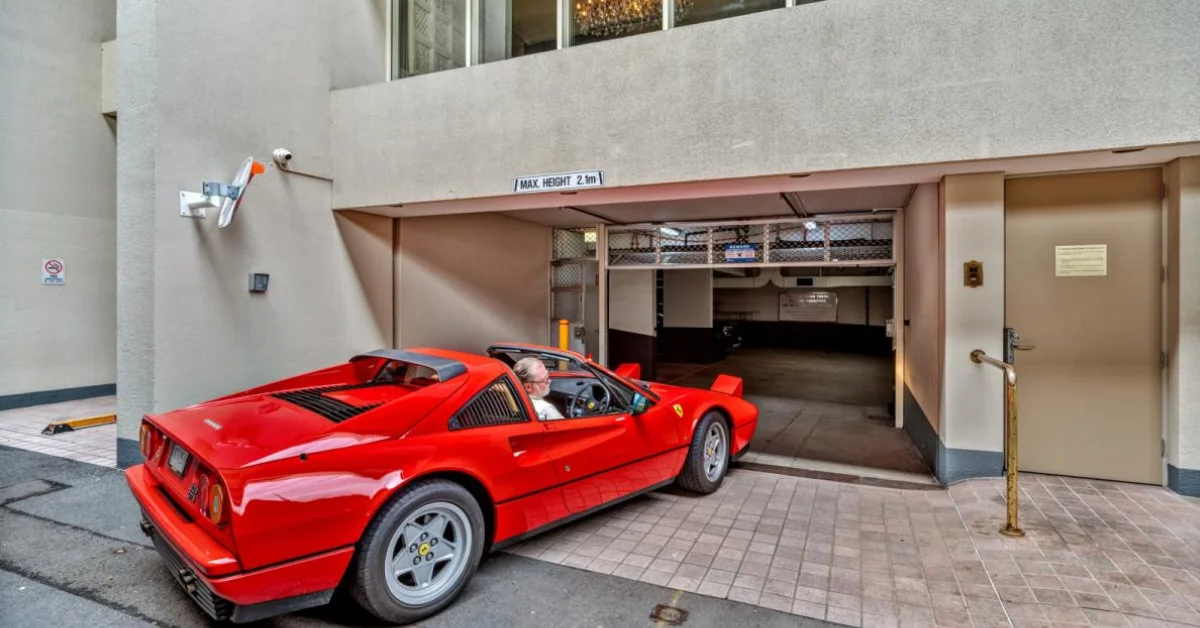
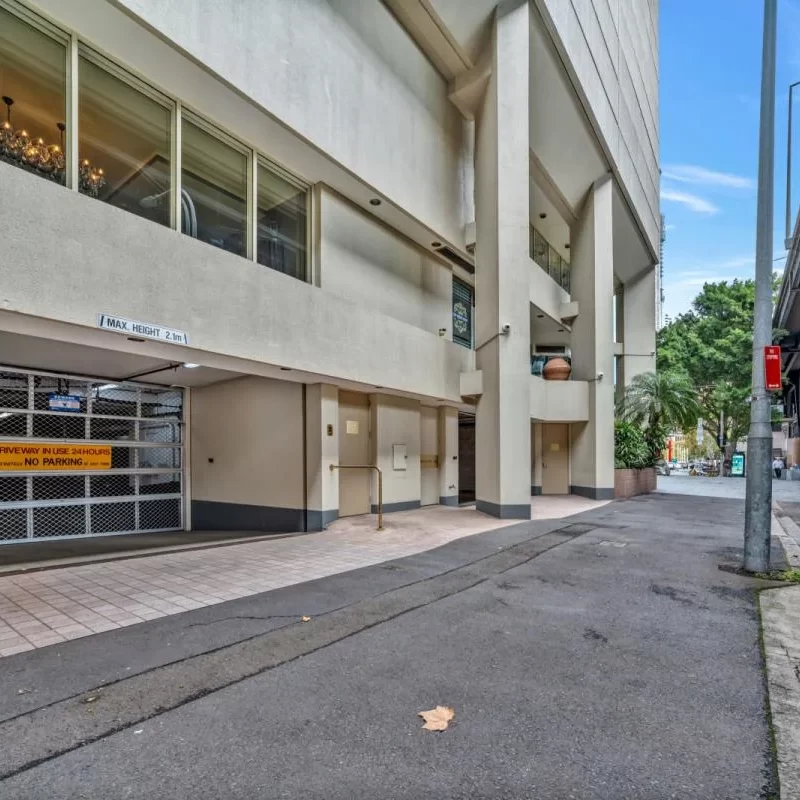
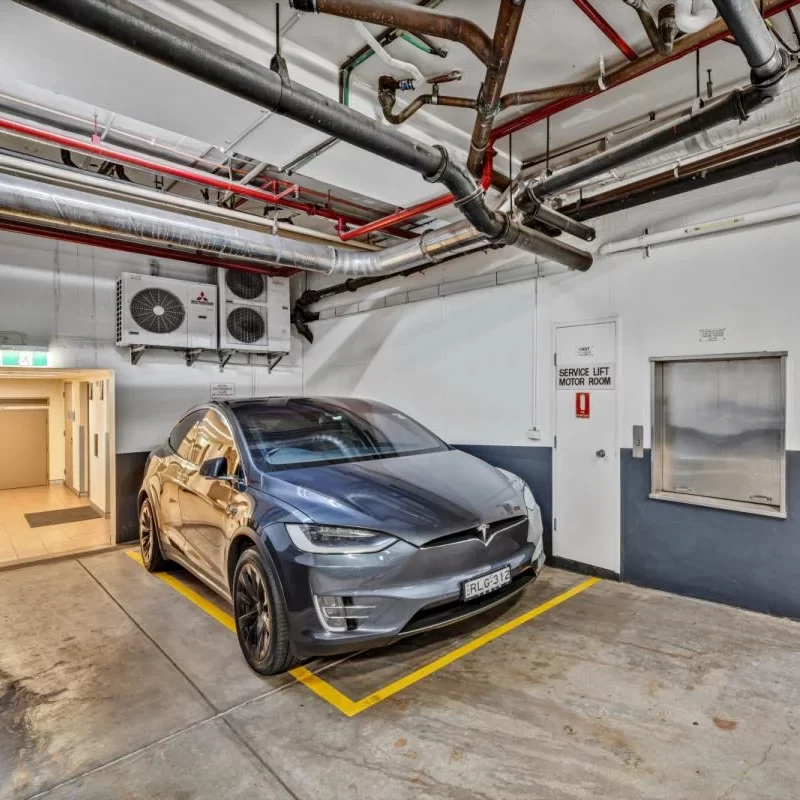
A cluster of six parking spaces located at 2 Phillip Street, Sydney CBD, has sold for a total of $3.65 million, with each space effectively priced at $608,000. The property is part of The Quay, a 29-storey residential complex positioned near Circular Quay and the Sydney Opera House.
Parking in the Sydney CBD has become increasingly valuable due to limited availability and high demand from both residents and commercial occupants. Prior to this sale, the highest known price for a single parking space in Australia was $304,700, recorded at Notts Avenue, Bondi, in January 2024.
Photo Credit: Colliers
Details of the Transaction
The six spaces were sold by Colliers Sydney through agents James Cowan and Cameron Colquhoun. Situated on the ground floor of the building, the spaces feature direct street access. The listing attracted strong interest, with 92 inquiries and 16 inspections prior to auction. More than 30 bids were submitted, with the reserve reached early in the process.
Investment Appeal in Sydney CBD
The location of the property, approximately 150 metres from Circular Quay Ferry Terminal and train station, has contributed to its appeal. The proximity to major residential developments such as Opera Residences and Bennelong Apartments has further heightened demand for secure, centrally located parking.
Photo Credit: Colliers
Market Trends and Community View
Alice Stolz, Domain’s Property Editor, noted that some buyers view parking acquisitions as lifestyle decisions. In suburbs like Bondi, individuals are willing to pay premium prices for convenient access to high-traffic areas, such as beachside locations.
The high sale price reflects the scarcity and competitiveness of secure parking options in central Sydney. While not explicitly stated by agents, the outcome may be viewed as indicative of broader interest in non-residential assets in the Sydney CBD.
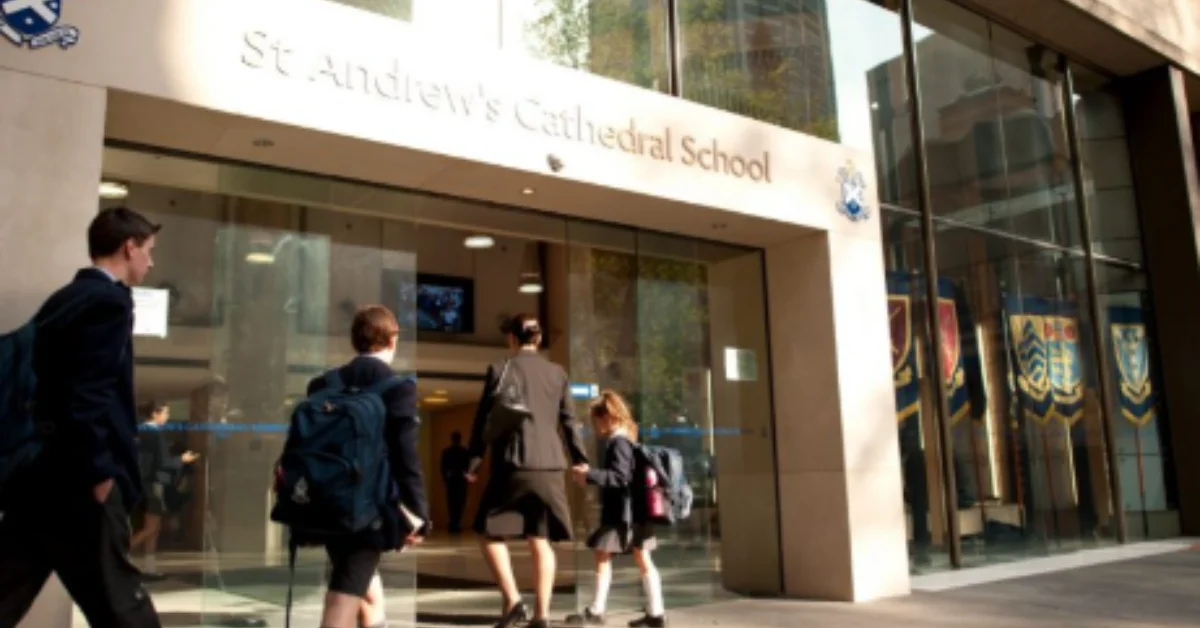
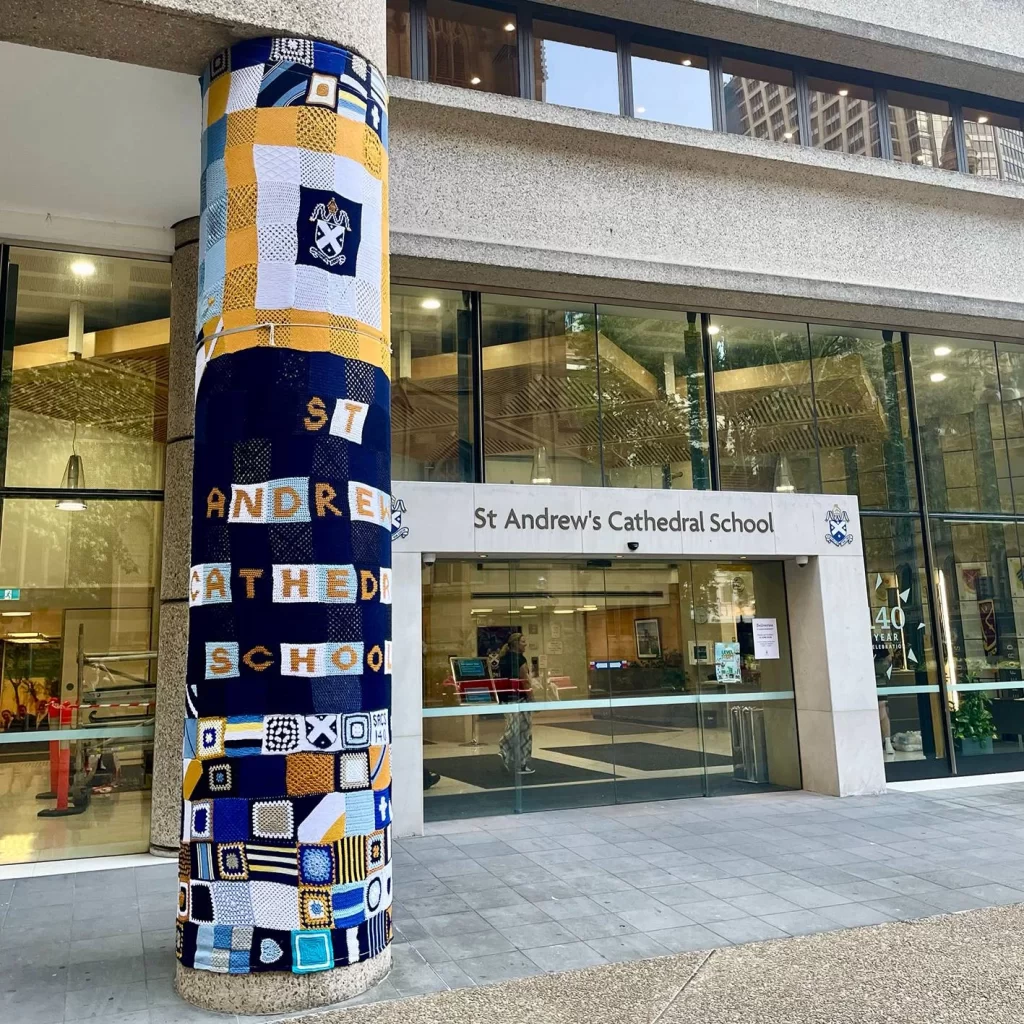
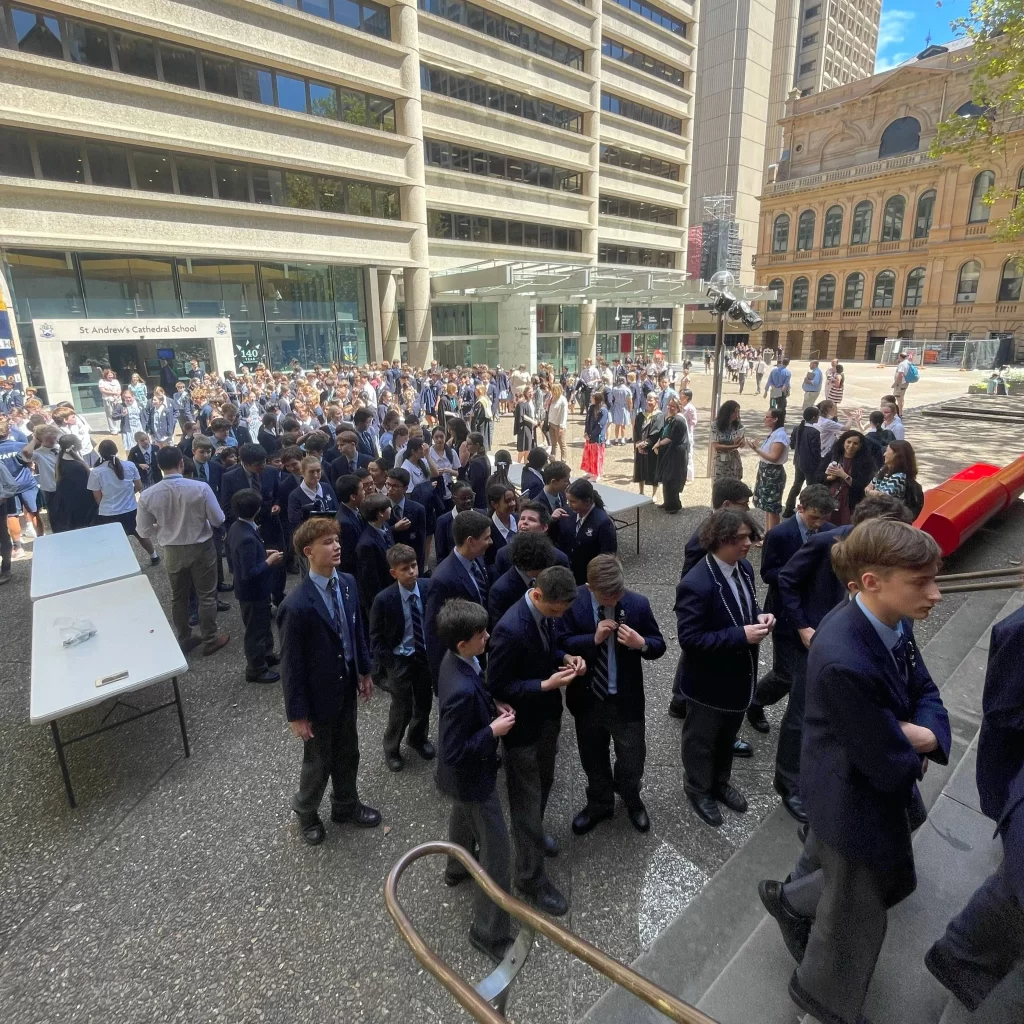
St Andrew’s Cathedral School in Sydney was forced into lockdown after a man threatened staff and entered a classroom, sparking a swift police response.
The incident unfolded on Monday morning, 20 May, when a 46-year-old man, later identified by police as Marc Ben James O’Har, entered the school without permission. He threatened a security guard, reportedly saying, “Don’t touch me or I will jab you with a needle,” before making his way inside the building and reaching a classroom with students.
Staff placed the school into lockdown as police searched room by room, though the man wasn’t found on campus at the time. He was later arrested around midday at a Surry Hills hotel, where he was reportedly acting erratically. Police said he had no connection to St Andrew’s Cathedral School and appeared disoriented.
Charges and Courtroom Outburst
O’Har appeared in Downing Centre Local Court the next day, pleading guilty to unlawful entry and intimidation. He caused delays by shouting obscenities and refusing to speak with his lawyer, claiming he’d been naked during a prior attempt at contact.
Magistrate Greg Grogin intervened, and the accused eventually agreed to proceed with representation. The court also heard that a mental health assessment would be conducted before addressing an additional charge relating to goods in custody. Bail was refused, and sentencing is scheduled for Wednesday.
Community Impact and Past Tragedy
While no injuries were reported, the event sparked anxiety within the school community, which is still recovering from a recent tragedy. Less than two years ago, the school was the site of a murder involving a young staff member.
The school confirmed O’Har was not known to any staff or students and praised the swift actions of police and staff during the lockdown. The incident has highlighted the need for strong campus security and emergency planning, particularly in inner-city schools.
Focus on Safety and Support
The NSW Department of Education has not commented publicly, as the school is an independent institution. However, counsellors have been made available to students and staff affected by the event.
School leaders have reviewed safety procedures and said they’re confident in the emergency response, with families promptly informed once police gave the all-clear. Many in the community, including parents, have praised the school’s transparency and the quick actions of police.
Wrexham AFC, the Hollywood-owned football team that’s sparked a global fanbase, is set to take on Sydney FC at Allianz Stadium in a headline local match.
The Sydney match will take place on 15 July, with Wrexham facing Sydney FC at Allianz Stadium in Moore Park. Other tour stops include Melbourne on 11 July and Wellington, New Zealand on 19 July.
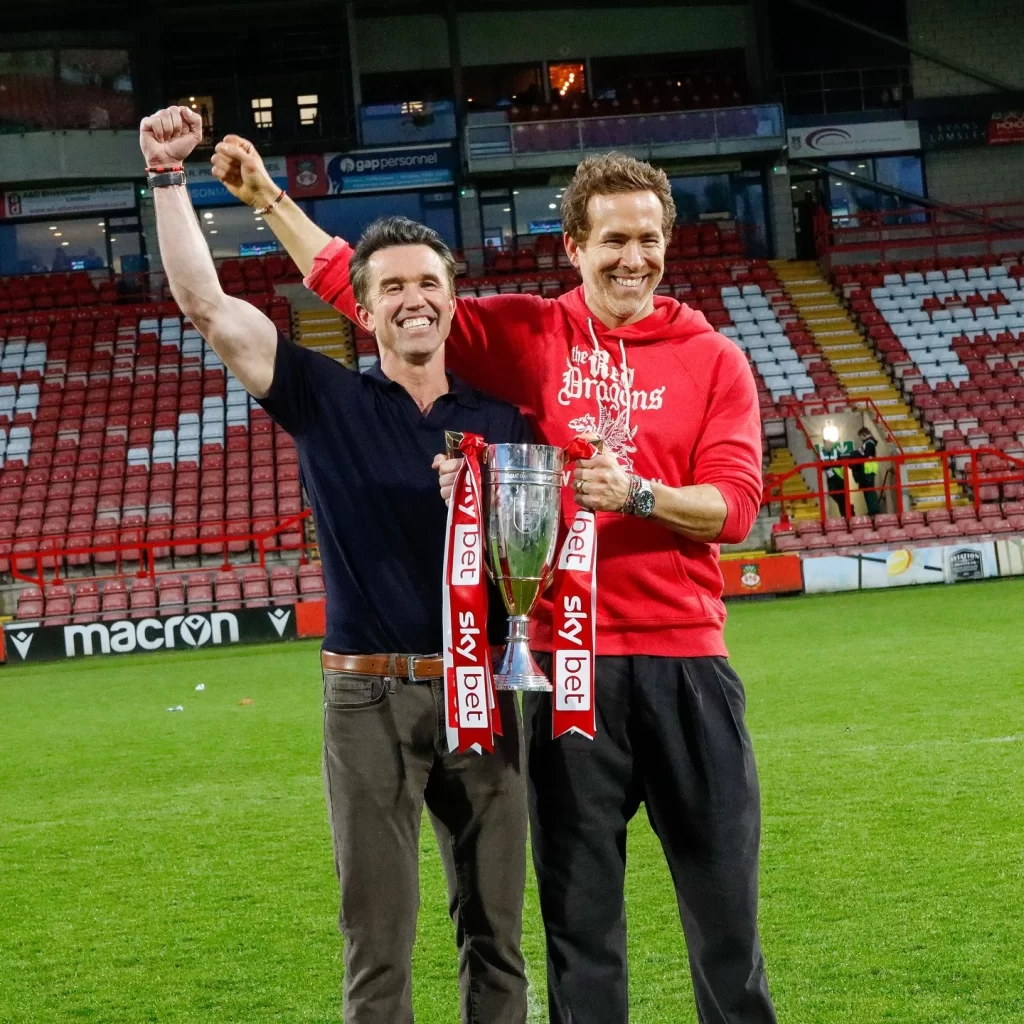
Wrexham’s rise from England’s fifth tier to the Championship has drawn global attention. The club’s rapid climb began after Ryan Reynolds and Rob McElhenney bought it for $4 million in 2021.
The Disney+ series “Welcome to Wrexham” helped turn the club into a global name. Since the takeover, Wrexham’s value has surged to $200 million, with fans now reaching far beyond Wales.
Allianz Stadium Set for Local Football Showcase
Allianz Stadium in Moore Park will set the stage for Wrexham’s Sydney match. Known for hosting major clubs like Sydney FC and the Waratahs, the venue is no stranger to big moments. With the buzz around Wrexham’s Hollywood rise, local fans are expected to show up in force.
Tickets are now available through Ticketek, starting at $59 for adults and $39 for children. Organisers say demand is already strong, especially with school holidays around the corner.
Reynolds’ Appearance Still Unconfirmed
It’s unclear if Ryan Reynolds will attend the match. Wrexham board member Humphrey Ker said they’re trying to get him to Sydney, possibly with help from Hugh Jackman. There’s been no confirmation yet.
Even without Reynolds confirmed, the club’s visit is making waves. NSW officials see it as a tourism boost and a chance to put local sport on the world stage. Minister Steve Kamper said Wrexham’s broad appeal brings both economic and sporting upside.
Fans Get Rare Chance to Cheer Live
For many Australians, this may be the only chance to see Wrexham live without going overseas. The centrally located Sydney match is already drawing interest from local clubs and school groups.
As the countdown begins, Wrexham’s story continues to grow, not just as a sporting tale, but as a rare mix of community, pop culture and persistence, now landing at one of Sydney’s premier venues.
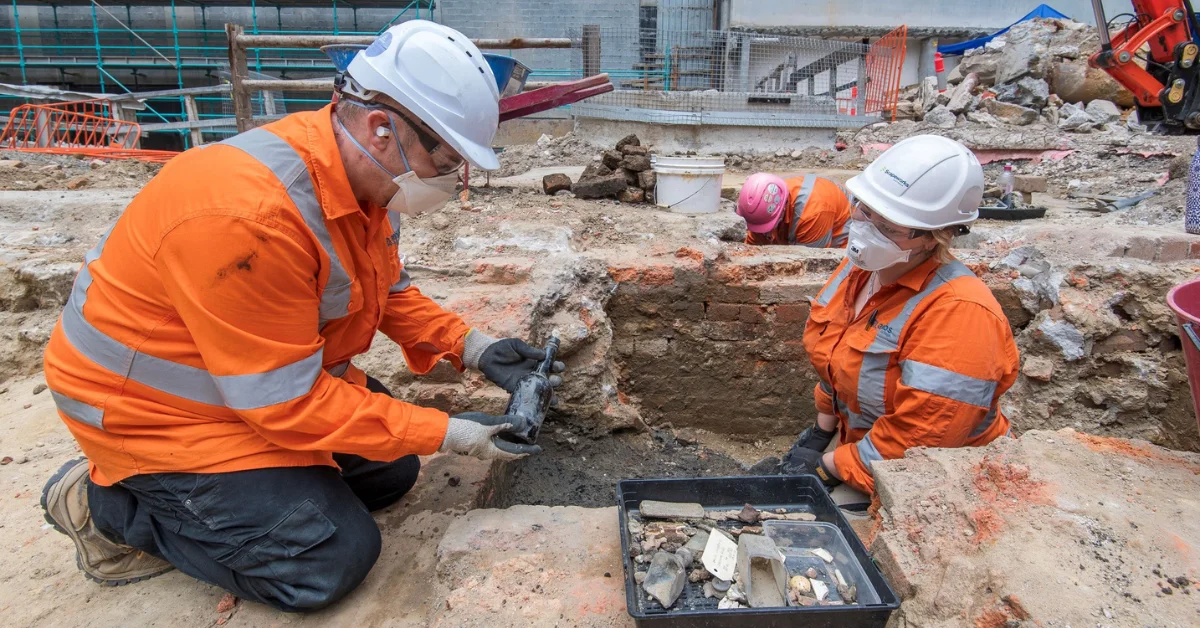
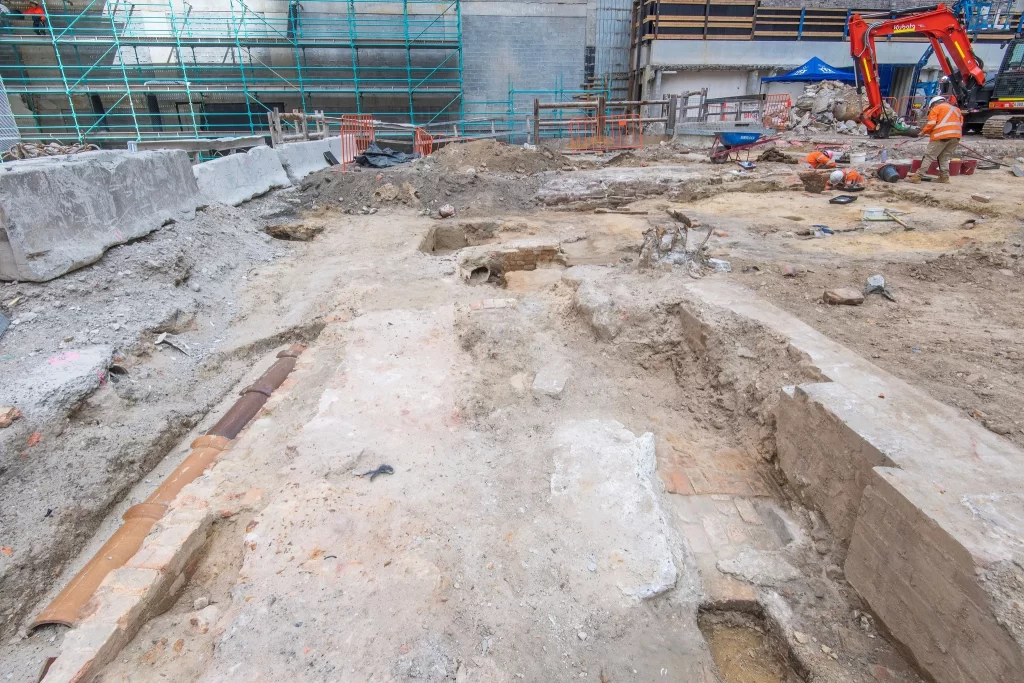
A significant archaeological find beneath the Sydney Metro West construction site has been uncovered — remnants of early colonial life, just metres beneath one of the CBD’s busiest areas.
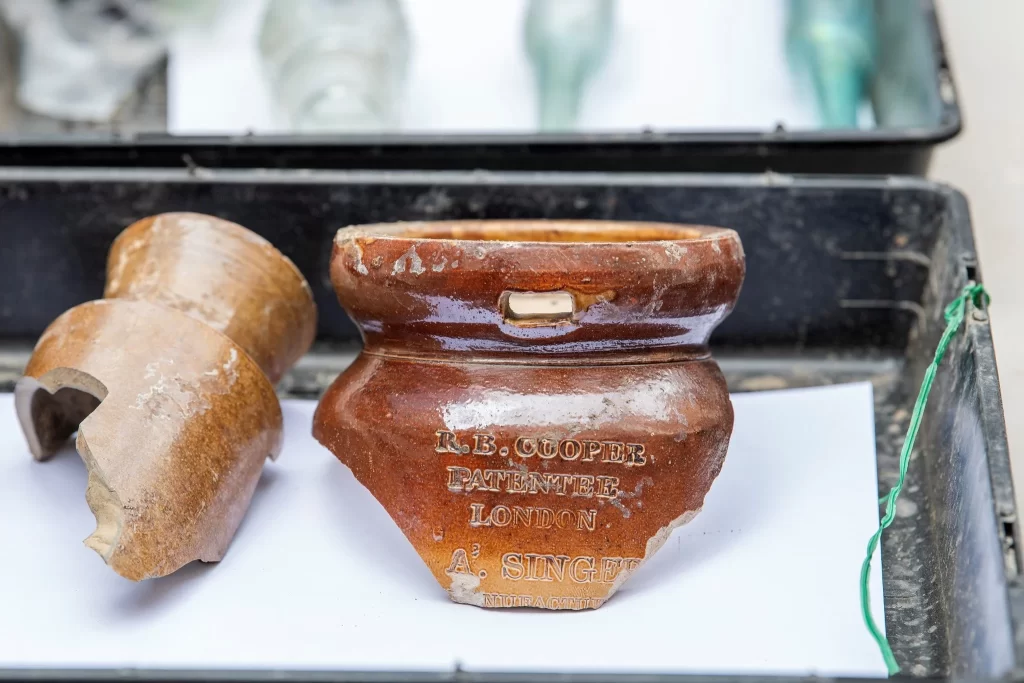
During Sydney Metro West works at Hunter Street station, archaeologists uncovered building foundations once owned by 19th-century merchant Prosper de Mestre. His home and office stood where De Mestre Place now runs between George and Hunter streets.
The find came during work on the $25 billion Sydney Metro West line linking the CBD to Parramatta, with remains dating back nearly 200 years to early European settlement.
A Glimpse into Colonial Sydney
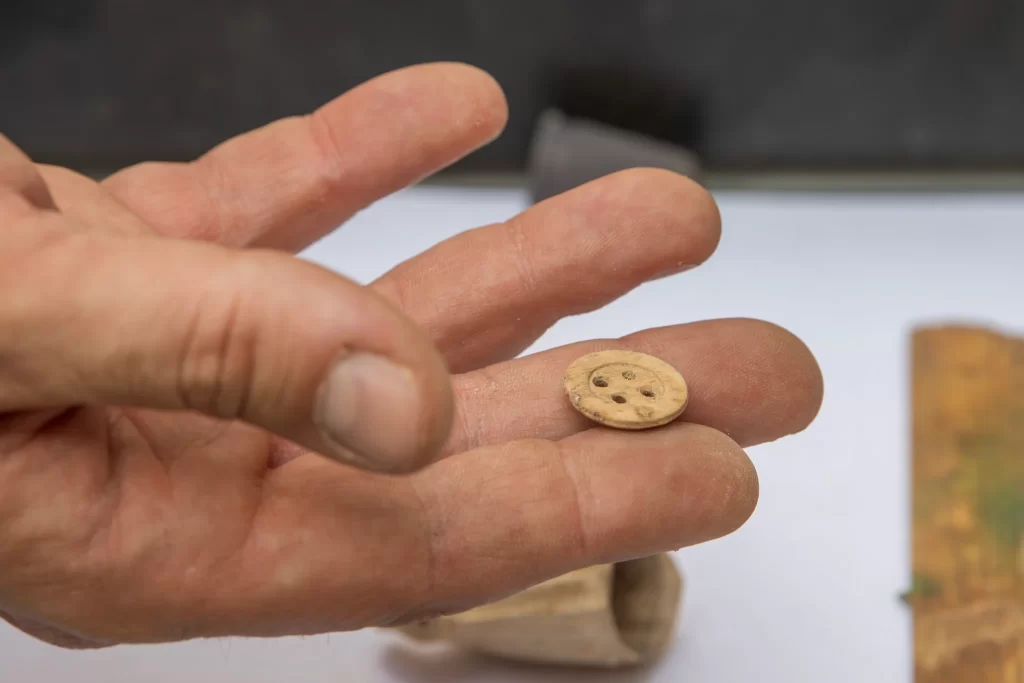
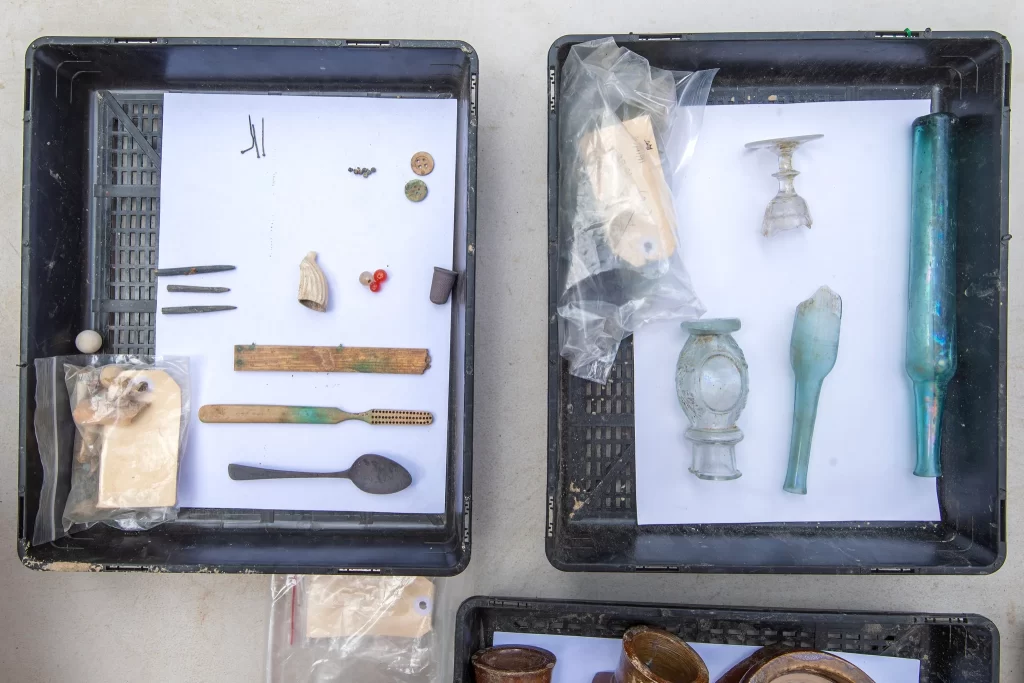
The site revealed early 19th-century artefacts including an 1834 coin, slate pencils, glass beads, bottle fragments, and bullet shells from Sydney’s first military barracks.
Researchers found the site was used for military waste in the 1790s. By the 1840s, it had evolved into a built-up area, showing Sydney’s early urban growth.
Community Ties and Ongoing Discovery
Descendants of Prosper de Mestre and historians helped confirm the find with records and knowledge of the site. Sydney Metro teams and archaeologists are now documenting and preserving the materials.
Transport officials have described the discoveries as a significant reminder of how infrastructure work can uncover unexpected layers of the past. The items and information from the dig will help broaden public understanding of Sydney’s urban growth and colonial heritage.
Sharing the Story with the Public
The artefacts will be shown at a community event on 18 May, giving locals a chance to explore the area’s hidden past. Organisers say it’s an opportunity to reflect on how the city has changed over time.
The Sydney Metro West project, while focused on the future of transport, has unintentionally offered a glimpse into the past. In the process of digging forward, it has also dug deep.
Surry Hills and other Sydney communities will have fewer opportunities for local festivals and gatherings after authorities reaffirmed their ban on many events in local parks.
Council has stated that the increasing severity of weather events due to climate change, particularly heavy rainfall, has caused significant damage to parklands during and after large outdoor events. They argue this damage disrupts public access and requires costly repairs.
However, NSW Premier Chris Minns has strongly criticised this justification, suggesting it masks Council’s reluctance to host such events and negatively affects efforts to bring life back to Sydney’s centre. He expressed concern that this stance could influence the state government’s willingness to support future parkland expansions proposed by Council.
The ban means that many community-focused events, especially those run by smaller organisations that cannot afford larger state-run venues like the Domain, can no longer take place in local parks. Councillor Olly Arkins had attempted to have the Council approve new commercial events in Victoria Park, highlighting the importance of these events for neighbourhood connection and celebrating local culture through music and creativity.
Business Sydney Executive Director Paul Nicolaou has warned that this policy harms Sydney’s cultural and economic scene, impacting its reputation as a global city. Event promoter Simon Beckingham shared that recent proposals for music festivals in Victoria Park and Sydney Park in Alexandria were rejected, placing Sydney behind other major international cities in its event offerings.
Chef Luke Mangan, who is trying to establish a new Sydney Food Festival, described the blanket ban as unreasonable and suggested a system where event organisers are responsible for restoring parklands to their original condition.
A Council spokesperson suggested that the state government should make venues like the Domain and Tumbalong Park more affordable for event organisers. They argued that if these larger spaces were more financially accessible, they would provide more options for live music and other events without the risk of damaging local parks or limiting residents’ access to them.
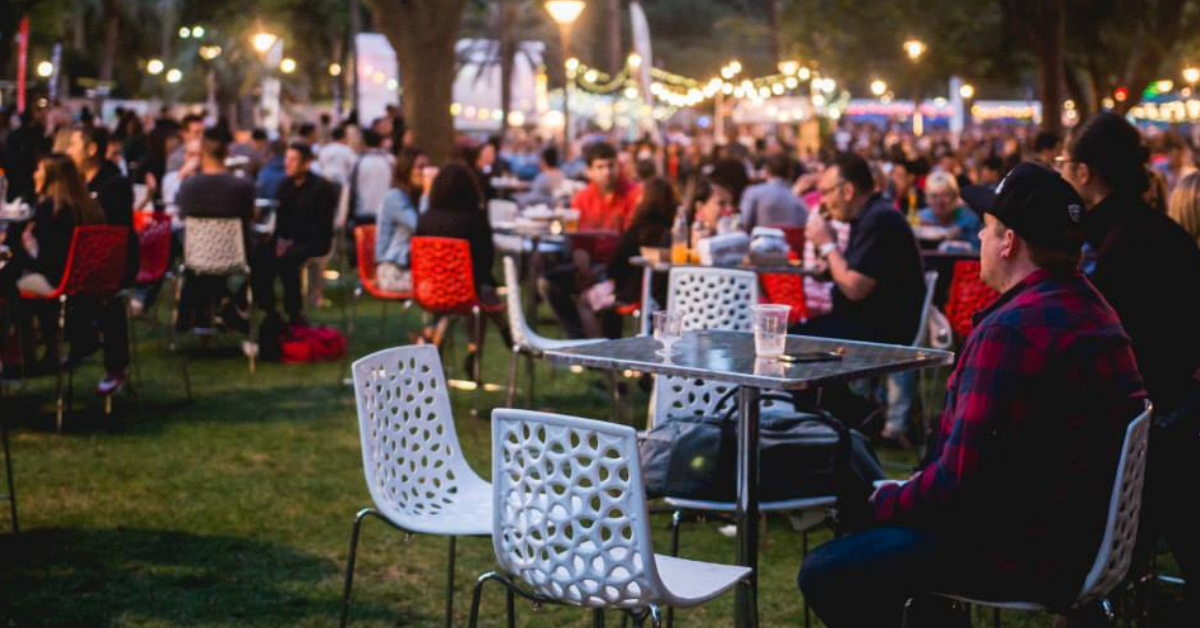
The ban followed incidents like the Night Noodle Markets in 2022, which left Prince Alfred Park significantly damaged. Certain long-standing community events, like Mardi Gras Fair Day and the Yabun Festival, are exempt from the current restrictions.
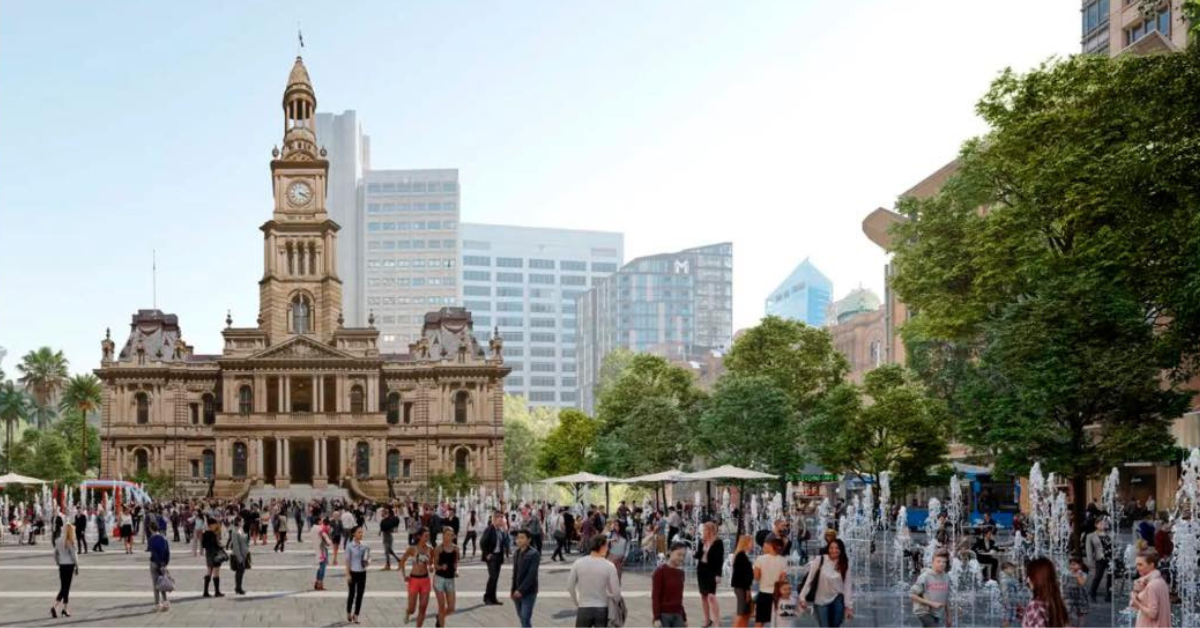
The Sydney CBD is poised for a major change as the city authority moves forward with its proposal to demolish several older commercial buildings to create a large public plaza across from Town Hall.
Sydney ratepayers have already spent over $36 million on the upkeep and improvements of these buildings that are now set to be removed for this major civic space.
Council voted in February to speed up the demolition work for the long-planned Town Hall Square, aiming to start in early 2028 and finish by early 2031. A total of $150 million has been set aside in the Council’s draft long-term financial plan for this project.
LM Clover Moore told a Council committee meeting that strong community support exists for this bold undertaking. He hoped that the state and federal governments would also contribute to what she believes will be a very important place for Australia’s global city.
Long-Term Vision
The idea for a civic square in this part of the city has existed since the early 1800s, and past administrations have acquired land on George and Park Streets for this purpose since the 1980s.
Council’s chief executive officer stated that $36.4 million has been spent in the last five years on the six properties marked for demolition, including $16 million on regular maintenance and ensuring they meet regulations and another $20 million on renovations and upgrades.
Council believes continuing to invest in buildings intended for demolition is not sensible. Ms Moore explained that the increasing costs of maintaining and upgrading these buildings to current standards and attracting new tenants are becoming too high.
Impact on Businesses and Residents
Photo Credit: Google Maps
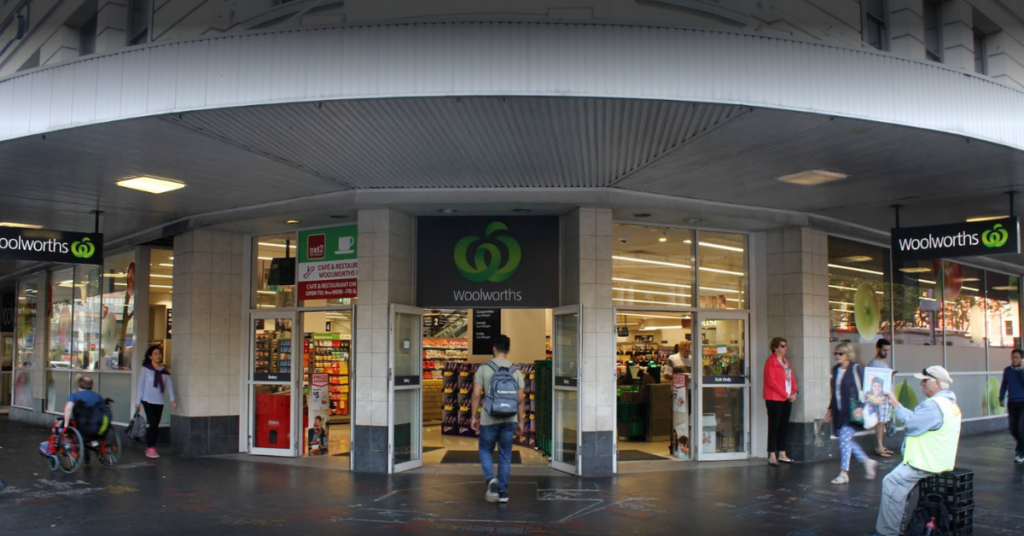
Among the businesses affected by these plans is the Woolworths Town Hall supermarket, a crucial shopping spot for people living and working in the Sydney CBD. Under its chief executive officer, Monica Barone, Council is looking to start the demolition within the current term, which could mean one less supermarket for nearly 30,000 residents in the area.
A spokesperson for Woolworths said that their Town Hall store is very popular and that they are talking with Council to understand the plans and the timeline better. Council has confirmed that these discussions with Woolworths are ongoing and will be considered as the project develops.
The new Town Hall Square project builds on the recent pedestrianisation of George Street, which has created more than 26,000 square metres of public space. Council reports that this change has encouraged over $8 billion in private investment and has seen more people returning to the city centre.
Ms Moore said that pushing ahead with this project is a response to changes since the pandemic, such as high numbers of empty older office buildings and changing expectations from tenants. She noted that while current leases on the buildings on the Town Hall Square site cover their upkeep, the cost to upgrade them to meet current standards has become too expensive. Council believes it must reassess projects and adapt to changing circumstances to serve the city and its people best.
Community Reactions
Online discussions show a mix of opinions about the project. Some people are keen on improvements to the nearby town hall station. There are worries about the potential loss of the Woolworths supermarket and the underground food court, with some hoping the supermarket can remain in some form. Concerns have also been raised about the design of the new square, with some fearing it will be a large, unshaded concrete area that might not be very inviting, especially in warmer months.
Some have compared it to Melbourne’s Federation Square and questioned whether lessons have been learned about creating a useful public space. Others are more optimistic, hoping for a European-style plaza with cafes and restaurants to bring life to the area and provide a central gathering point for events and festivals. One commenter praised Council’s long-term approach to acquiring the necessary land for the project.
The development of Town Hall Square is happening at the same time as a $35 million upgrade to Sydney Square, the plaza between Town Hall and St Andrew’s Cathedral, built in the 1970s. This upgrade aims to refresh the space with new granite paving, trees, and street furniture that matches George Street, continuing Council’s wider plan under the Sustainable Sydney 2030-2050 vision.
Ms Moore believes that as more people are encouraged to return to the city for work, tourism, and social activities, the need for a large civic square has never been clearer, stating that this new civic square will further their work in creating a city for people.
Australia’s leading smartphone film festival, SF3, returns to Palace Chauvel Cinema in Paddington, with over $50,000 in prizes and stories from around the world.
Festival to Run in November with Multiple Entry Categories
The 11th SF3 lands at Palace Chauvel Cinema from 7 to 9 November, with Melbourne getting an early screening on 24 October. Filmmakers have until 1 September to submit their entries. This year’s five categories range from kid-made stories to AI creations, three-minute minis and full-length features.
Photo Credit: Supplied
The festival welcomes filmmakers of all ages and skill levels, highlighting that a smartphone is all you need to create cinema-worthy stories. Organisers say it’s about the story, not the gear. Director Angela Blake says they want to hear from everyone, whether you’re five or 85.
Paddington Venue to Host Screenings, Classes and Community Events
Over the weekend in Paddington, audiences can catch red carpet screenings, vote for films and join community networking. The program also features awards and free masterclasses in sound, writing and more.
Photo Credit: Supplied
Photo Credit: Supplied
Røde will run a sound workshop, showing filmmakers how to get great results with simple gear. Melodie Music returns as a sponsor, offering its full music catalogue free to all SF3 2025 entrants.
Prizes Include Casting Opportunities and Industry Awards
Thirty-six awards will be handed out, including Best Film, Director, Kids Film and Feature. Special prizes will highlight First Nations creators, women in film, mobile-only work and adaptations. One filmmaker will also earn professional casting support through a pitch comp closing 17 June.
Photo Credit: Supplied
Photo Credit: Supplied
Submissions are judged by a panel of Australian and international creatives, including screenwriters, casting professionals, actors and producers. Some of this year’s panel include Louis Nowra, Ros Gentle, Megan Riakos, and Stephanie Pringle.
Festival’s Focus Is on Storytelling and Accessibility
Photo Credit: Supplied
The SF3 team, including ambassador Phillip Noyce, believes powerful stories don’t need big budgets. They support giving new voices a platform beyond studio systems. The festival now attracts hundreds of entries from Australia and abroad each year.
The community nature of the festival remains central, with schools, families, student filmmakers and seasoned professionals all encouraged to get involved. According to organisers, anyone with a phone and a story is welcome.
Legal proceedings have been launched over the Oxford Street cycleway, with applicants alleging the project discriminates against older and disabled pedestrians.
A legal challenge has been filed in the Federal Court against the City of Sydney Council and Transport for NSW, with the Oxford Street cycleway project at the centre of the dispute. The case is led by residents who claim the plan breaches federal discrimination laws.
The Federal Court filing comes after a failed complaint to the Australian Human Rights Commission in 2024. That complaint was lodged by six Paddington residents, including Michael Waterhouse and Kathryn Greiner AO.
It focused on the use of “floating” or “island” bus stops along the planned separated cycleway on Oxford Street. The stops require pedestrians to cross active bike lanes to reach waiting areas, which complainants argue poses a heightened risk for less mobile users.
Following an unresolved Human Rights Commission complaint, the complainants were given 60 days to escalate the matter. The new case has now been filed against the City of Sydney Council and Transport for NSW.
Photo Credit: NSW Gov
Claims of Discrimination and Safety Risks
The applicants argue that the project violates the Disability Discrimination Act 1992 and Age Discrimination Act 2004. Court documents point to the increased danger for elderly and mobility-impaired pedestrians who must navigate two-way cycleways to reach bus stops. Comparisons were made to similar designs in London and Canada, which have previously triggered safety concerns and legal decisions abroad.
The applicants maintain they do not oppose cycling infrastructure in principle but believe pedestrian safety should not be compromised to facilitate it.
Photo Credit: NSW Gov
Alternative Route and Proposed Changes
The proposed alternative route put forward by the applicants includes Flinders Street in Darlinghurst and Moore Park Road in Paddington They have also proposed additional safety measures for bus stops, including speed humps, pedestrian traffic signals, eye-level cyclist traffic lights, and monitoring cameras to capture incidents involving non-compliance by cyclists.
Photo Credit: NSW Gov
Community Feedback and Project Status
Transport for NSW stated that the Oxford Street cycleway was developed in accordance with Disability Standards for Accessible Public Transport, and noted that it has consulted community stakeholders including the Accessible Transport Advisory Committee. Meanwhile, the City of Sydney reported that consultation had taken place and that the bus stop designs included safety features such as marked crossings and fencing.
No final decision has been made by the NSW Government regarding the cycleway’s implementation.
The 1.7-kilometre Oxford Street cycleway, projected to cost $70 million, continues to face legal and community scrutiny. The Federal Court proceedings are expected to determine whether the current design sets a precedent for accessibility standards or requires modification to ensure inclusive access to public transport infrastructure.
A 1979 mail plane, a roller rink, and a plant-based diner are turning Darling Harbour into a retro dream this autumn, bringing Sydney locals a hands-on taste of the past with a modern twist.
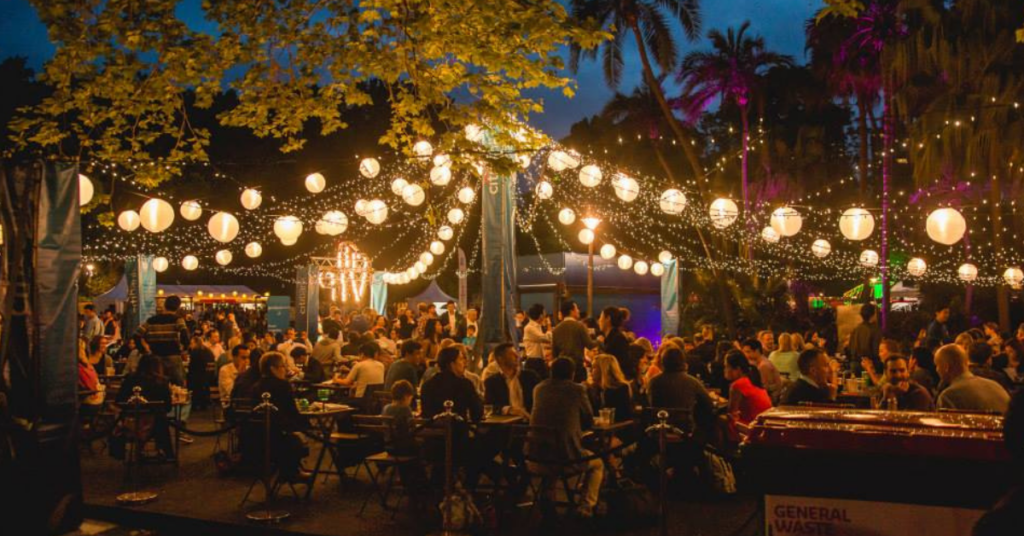
Neon Dreams runs nightly from 6:00 p.m. to 11:00 p.m., 23 May to 14 June , under the Pier Street overpass at Tumbalong Boulevard. Part of Vivid Sydney, the event blends food, art, music and skating for all ages. Entry to the diner is free, and skating starts at $18 with gear included.
At the centre is a retro roller rink with disco lights and vinyl-only DJ sets played from a grounded 1979 mail plane. The airline-themed space is fully accessible and open to all skill levels, welcoming families, teens and nostalgic adults.
Tortuga Studios brings the throwback vibe to life with bold visuals and vintage-inspired costumes. Skating performers from the Malt Shop Rollers glide through the crowd, adding flair and fun with their choreographed moves.
Plant-Based Flavours With a Diner Twist
Chef Shannon Martinez, known for her take on meat-free cuisine, is behind the Neon Dreams diner menu. Guests can enjoy vegan versions of American comfort food—think burgers, fries, mac and cheese, and jelly-filled doughnuts. The diner is open to all, whether or not they plan to skate, and is designed as a relaxed meeting spot for friends and families.
Alongside the food, the Trolley’d team is shaking up retro milkshakes and cocktails. Their drinks use native ingredients like lemon myrtle and Illawarra plum, keeping with the event’s low-waste, sustainable theme.
More than just entertainment, Neon Dreams blends skating, food and art to create a nightly community hub. It’s a fresh, social way to enjoy Darling Harbour, whether you’re joining in or just soaking up the atmosphere.
Visitors are encouraged to bring their own skates and helmets, but equipment is also available on-site. Whether guests are skating for the first time or reliving their roller disco days, the experience is designed to be welcoming and inclusive.
How to Join the Fun
Neon Dreams joins the buzz of Vivid Sydney, adding colour and energy to the city’s nights. Skating spots book out fast, so it’s worth planning ahead. With its prime Darling Harbour location, it’s the perfect place to drop in, hang out or kick off your evening.
Before you roll in, check the FAQs for details on tickets, gear and accessibility. Full Terms and Conditions are also available on the Vivid Sydney website.
A Darlinghurst dog owner is pushing for safety reforms after her rescue dog ingested a fishing hook during a walk, prompting a local petition targeting park hazards.
What began as a regular walk near Darlinghurst escalated into a medical emergency when a rescue dog swallowed a barbed fishing hook at Yarranabbe Park, near Rushcutters Bay.
While collecting litter during the walk, the owners noticed fishing line hanging from their dog Ripley’s mouth. Despite immediate efforts to retrieve it, the dog swallowed the hook, leading to emergency surgery that cost nearly $5000.
An X-ray confirmed the hook was lodged in Ripley’s stomach. The procedure was successful, but the incident raised broader safety concerns.
Following the incident, the dog’s owner, Wendy Coombes, shared the story online, which prompted a wave of similar reports from residents whose pets had encountered fishing hooks in the same area.
Some managed to remove hooks before serious injury, while others faced costly vet bills and medical treatment. One resident also sustained a hand injury from a barbed hook while trying to help their dog.
Ms Coombes said the issue had been present for some time and often involved hooks left with bait still attached.
Petition Calls for Infrastructure
In response, Ms Coombes launched a Change.org petition urging Woollahra Municipal Council to install hook-and-line bins and place anti-littering signage at key fishing areas, including parks near Darlinghurst.
By late April, the petition had gained 975 verified signatures, with a significant increase over just two days. The goal is to reach 1000 signatures to present a stronger case to council.
Photo Credit: Change.org
These bins are designed to safely collect fishing waste, including barbed hooks and nylon lines, which pose hazards to pets, children, and wildlife.
Council Begins Initial Steps
Woollahra Council acknowledged the petition during a formal meeting and stated it is working with the NSW Department of Primary Industries to roll out educational signage at common fishing sites.
Although no hook-and-line bins have been installed yet, the signage aims to raise awareness of the risks of fishing litter.
Photo Credit: Change.org
Community Supports Broader Action
Some supporters believe similar issues exist beyond the local area, with reports and comments indicating the need for a wider response.
While recreational fishing remains a popular activity, the campaign aims to improve safety without restricting access to shared public spaces.
The campaign continues to encourage responsible behaviour from fishers without limiting access to the area.
Petition Continues to Gain Momentum
With nearly 1000 signatures, the petition remains active, aiming to prompt further council response.