



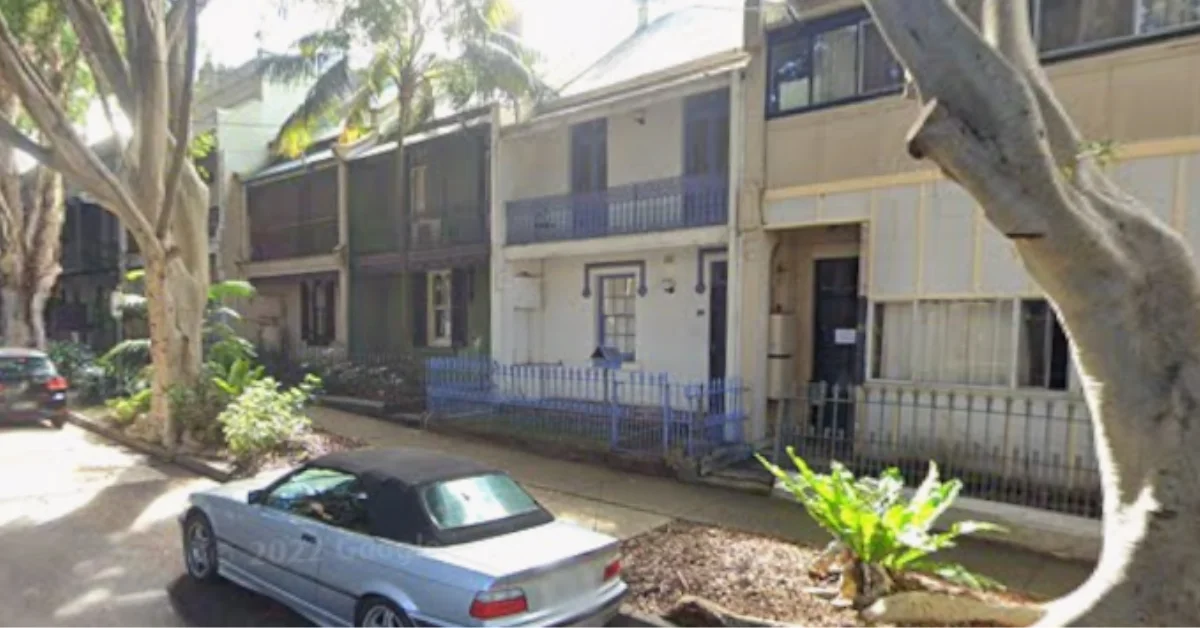
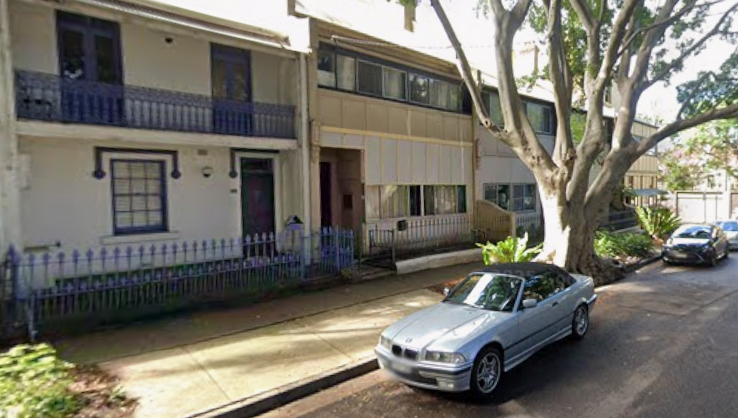
A long-running battle over the future of a Paddington boarding house has come to an end, with approval granted for the ageing property to be redeveloped into four luxury homes after its former residents were relocated.
Read: Eviction Looms for Vulnerable Residents in Paddington Boarding House
The decision marks the latest chapter in a case that has fuelled debate over the future of affordable housing in Sydney’s inner suburbs.
Developer LFD Homes secured approval to proceed with the project after successfully appealing to the NSW Land and Environment Court. The proposal had previously been refused by the City of Sydney in 2023, with the council arguing it would result in an unacceptable loss of affordable housing in an area where low-cost accommodation is becoming increasingly scarce.
The development application, lodged in 2023, became the subject of a lengthy legal process. An earlier court ruling upheld the council’s refusal before the developer successfully appealed that decision. On June 17, the NSW Land and Environment Court ruled the redevelopment could proceed under the provisions of the Housing State Environmental Planning Policy (Housing SEPP).
Affordable housing concerns remain
In her decision, Commissioner Susan O’Neill found that removing the boarding house would reduce the supply of affordable housing in the area and that there was insufficient comparable accommodation to meet demand. She also found that retaining the building was not an appropriate solution because the existing accommodation did not provide an acceptable housing standard and was not financially viable to operate.
The court accepted evidence that the property generated a rental yield of 2.75 per cent and found that requiring a private landowner to continue operating an unviable boarding house would undermine the planning framework intended to encourage investment in this type of housing. As a result, no affordable housing contribution could legally be required from the developer under the Housing SEPP.
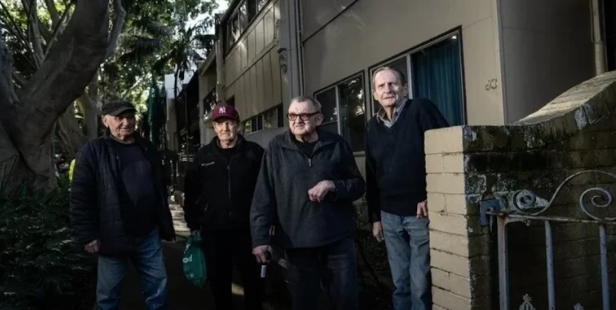
The Selwyn Street boarding house had provided accommodation for low-income men since the years following World War II, with some residents calling it home for more than 50 years before receiving eviction notices in late 2024.
According to the court, arrangements were made to help displaced residents secure comparable accommodation before the redevelopment proceeds. Former residents have since moved into a mix of private rentals and social housing across Sydney.
The case has also renewed debate about the effectiveness of planning laws intended to protect boarding houses. The City of Sydney has previously argued that older boarding houses play an important role in providing affordable housing for vulnerable residents and has repeatedly called for stronger protections under the Housing SEPP.
The proposal also attracted broader community concern beyond the Selwyn Street property. During the campaign to save the Paddington boarding house, a Change.org petition attracted more than 27,000 supporters calling for stronger protections against the loss of boarding houses. The petition argued that Sydney has seen an alarming decline in affordable and low-cost housing, with vulnerable residents increasingly displaced as boarding houses are converted into higher-value homes.
Read: Boarding House Redevelopment Displaces Long-Term Residents in Paddington
NSW Planning Minister Paul Scully has said the state continues to support measures aimed at increasing housing supply, including affordable housing, through a range of planning initiatives. However, the decision highlights the continuing tension between preserving existing affordable housing and allowing redevelopment where boarding houses may be found to be financially unviable.
The redevelopment will replace the former 32-room boarding house on Selwyn Street with four luxury residences, bringing an end to a property that provided affordable accommodation for generations of low-income residents in Sydney’s inner city.
Published 27-June-2026