




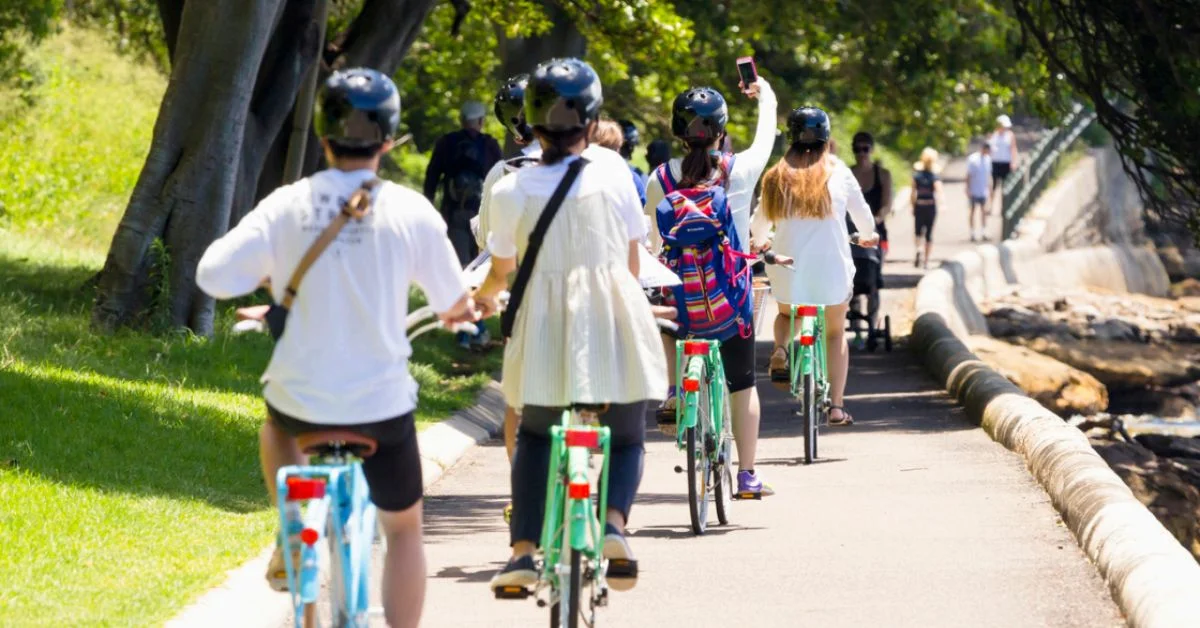
Hundreds of cyclists using a crucial route from Sydney’s inner west to the city say the shared bike path outside the new Sydney Fish Market on Bridge Road creates dangerous conflicts between riders and pedestrians, with many calling the design a “nightmare” for commuters.
The $836 million Sydney Fish Market development at 1 Bridge Road in Glebe includes a wide pavement designed for both pedestrians and cyclists, rather than a separated cycleway along what serves as a strategic cycling corridor. The bike path runs beside the market building, which opened in early February and is expected to attract more than six million visitors annually as the biggest fish market in the Southern Hemisphere.
Cyclist Bek Hawkins, who commutes between Glebe and Pyrmont, said the new shared bike path created a clash between people on their daily commute and tourists looking at the new building. The route improvement over riding in traffic has created a new hurdle as everyone walks around the markets while cyclists try to pass through.
Daily Commute Becomes Obstacle Course
Emma Taviani, another cyclist who rides past the fish market regularly, described the situation as feeling like an accident waiting to happen. The bike path forces busy crowds of market visitors to share space with cyclists traveling at speed on a route used by hundreds of riders each day.
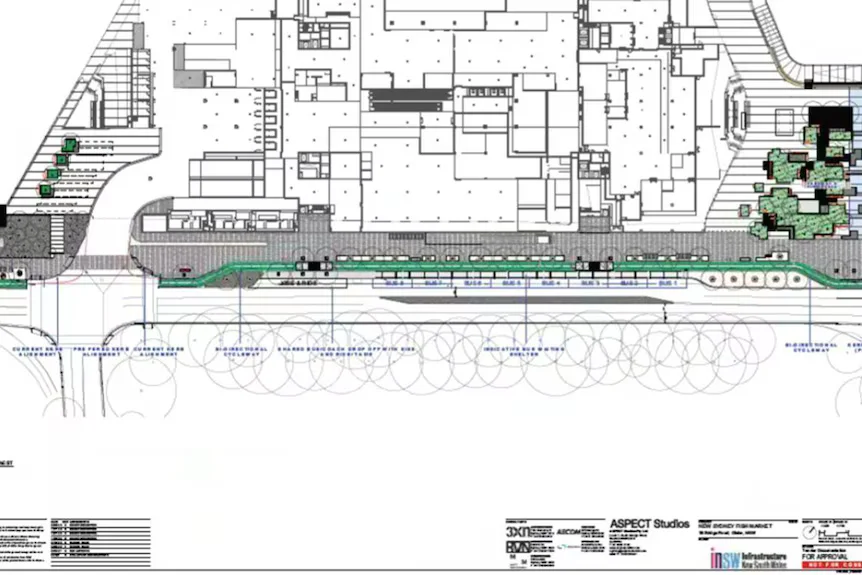
Local representatives had advocated for a separated cycleway since the very start of the project, requesting at every opportunity for this infrastructure to be included in the final design. A preliminary design of the precinct shows a fully separated cycleway running by the fish market along Bridge Road, with one less traffic lane than exists now.
Missing Links Create Additional Hazards
Beyond the shared bike path itself, cyclists face several dangerous pinch points that require sudden merges in and out of busy footpaths and traffic. Hawkins said her 10-minute commute between Glebe and Pyrmont sometimes leaves her shaken up by the time she arrives at work due to these clunky connections.
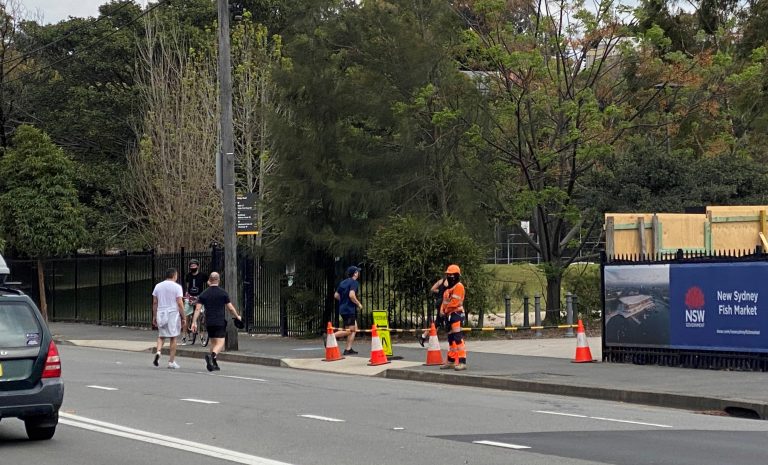
Gemma Bassett, another regular cyclist, prefers to avoid the shared bike path altogether and ride on the road because the connections are disjointed and illogical. She said cycling on the road proves quicker and more convenient than navigating through pedestrian traffic on the shared path.
Ben, a local cyclist, said many riders feel caught in the middle. If they use the footpath, they risk getting in the way of pedestrians; if they ride on the road, they face frustrated drivers. The result, he said, is a lose-lose situation where tensions rise and cyclists end up looking like the problem.
Design Contradicts Best Practice
Urban designer and planner Michael Harrison, who has more than 40 years of experience in Sydney, said the final design contradicts policy recommendations and is inexplicable. Policy recommends building separated bike lanes in busy areas along strategic cycling corridors such as the route past the fish market.
Harrison noted that traffic lanes are needed for vehicle access, but space still would have been available for a dedicated cycleway due to the deep setback of the building from Bridge Road. The site serves as an important access point to ANZAC Bridge and the city, requiring accommodation for pedestrians, bike riders, public transport, coach visitors and motor vehicle traffic.
Advocacy Continues for Cycling Infrastructure
Peter McLean, chief executive of Bicycle NSW, said the real shame is that installing a bike path retrospectively will cost significantly more than building it during initial construction. Attitudes towards cycling are improving as more cycleway projects open across the city, but there remains a long way to go before best practice infrastructure is rolled out, he said.
Authorities said the shared bike path was constructed to best accommodate pedestrians and cyclists of all ages and abilities in a constrained environment. They noted travel patterns in the area will continue to be monitored given current demand requires catering to a wide range of transport users.
The situation highlights broader tensions in planning active transport infrastructure, where competing priorities for road space can leave cyclists navigating compromised solutions that satisfy neither riders nor pedestrians using busy routes near major attractions.
Published 17-February-2026.