


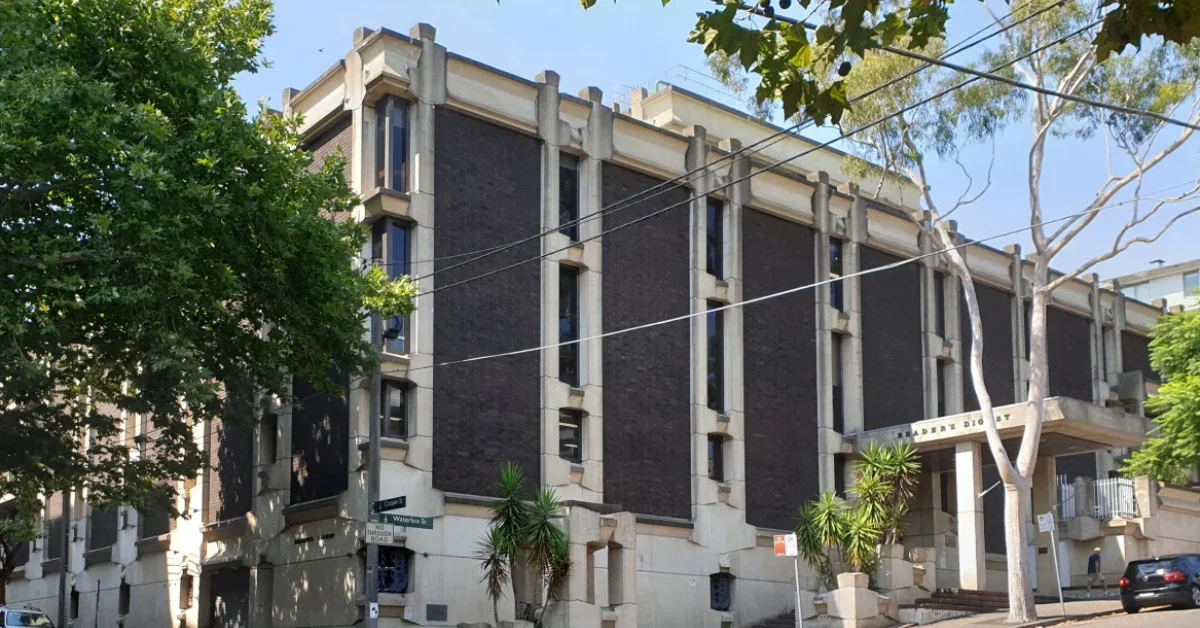
The former Reader’s Digest Building in Surry Hills is being revisited through the eyes of its original architect, John James, who believes the office block was designed to make people feel movement, curiosity and freedom within its spaces.
A Building That Begins With Movement
At 94, architect John James returned to the Reader’s Digest Building, a project that defined both the height and conclusion of his architectural career. Designed when James was 33, the building was completed after four years and opened in November 1967 as the Sydney headquarters of the Reader’s Digest publishing house.
James has long maintained that architecture should feel physical rather than static. For him, a well-designed space encourages movement, curiosity and emotional response, rather than simply directing people from one point to another.
A Departure From Office Design Norms
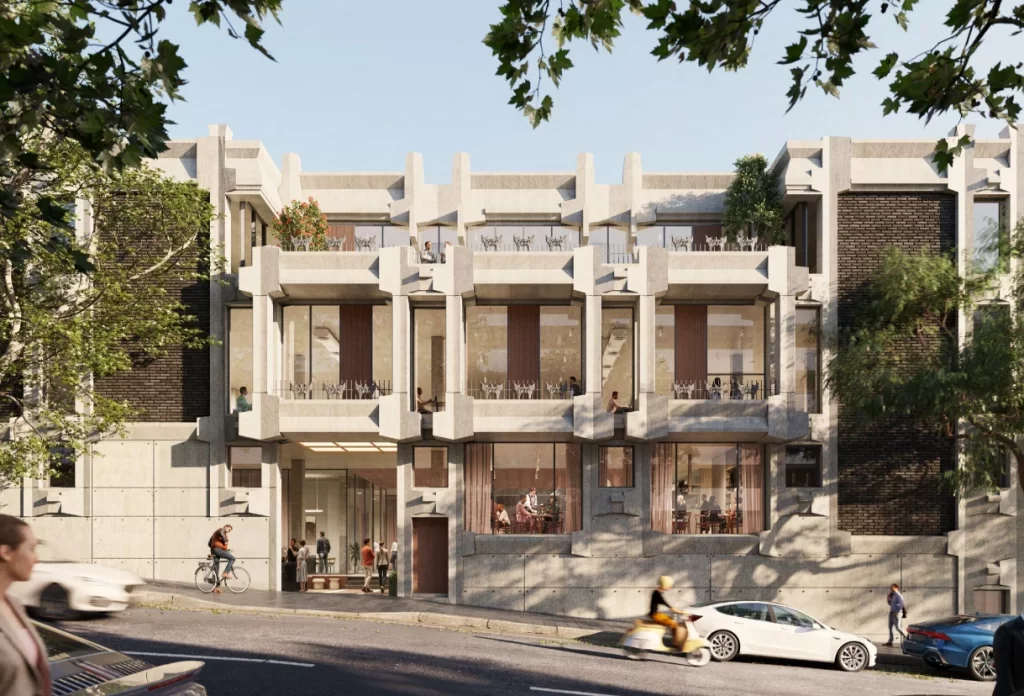
At the time of its completion, the Surry Hills building stood apart from prevailing office architecture. While glass towers dominated the era, James pursued expressive concrete forms influenced by Gothic architecture and organic proportions.
The structure became known for its curved surfaces, heavy concrete expression and interiors that contrasted sharply with its exterior. Inside were fountains, coloured finishes, gardens, high ceilings and distinctive lighting, all intended to soften the working environment and make it more human in scale.
The building was also the first office building in Sydney designed to house a computer, which at the time occupied an entire floor and was visible from the main entrance.
Recognition That Came Later
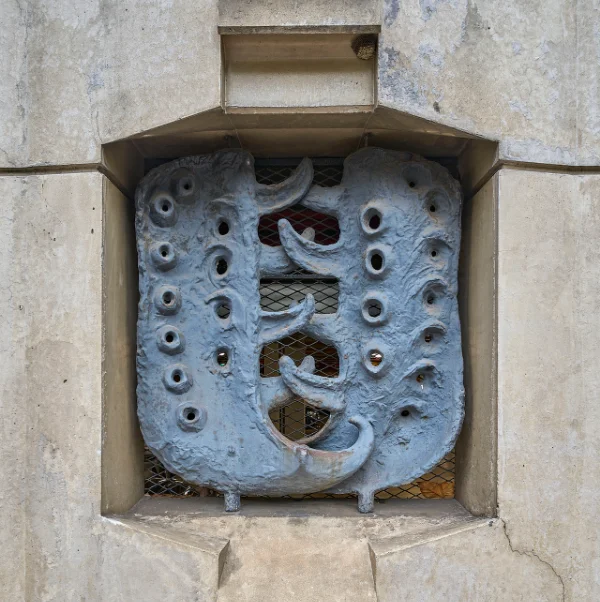
Initial reactions to the building were mixed, with some describing it as eccentric or unfashionable. Over time, however, its reputation shifted. In 2016, the building received an enduring architecture award recognising its long-term architectural significance, including its sculptural work by Douglas Annand and rooftop garden by Bruce Mackenzie.
Public commentary since has continued to reflect strong opinions, with many describing the building as one of Australia’s most distinctive commercial structures.
Revisiting The Original Vision In Surry Hills
A $23 million adaptive reuse project is now being finalised for the 4,200-square-metre, heritage-listed building. The refurbishment is being led by SJB and Design 5 – Architects, working with building owner Barana Group, which purchased the site in 2019.
The project aims to adapt the building for contemporary creative use while retaining original features. Planned works include accessibility upgrades, improved natural light, sustainability improvements, upgraded entries including access from Cooper Street, and new ground-level uses such as a café.
Restoring Playfulness And Discovery
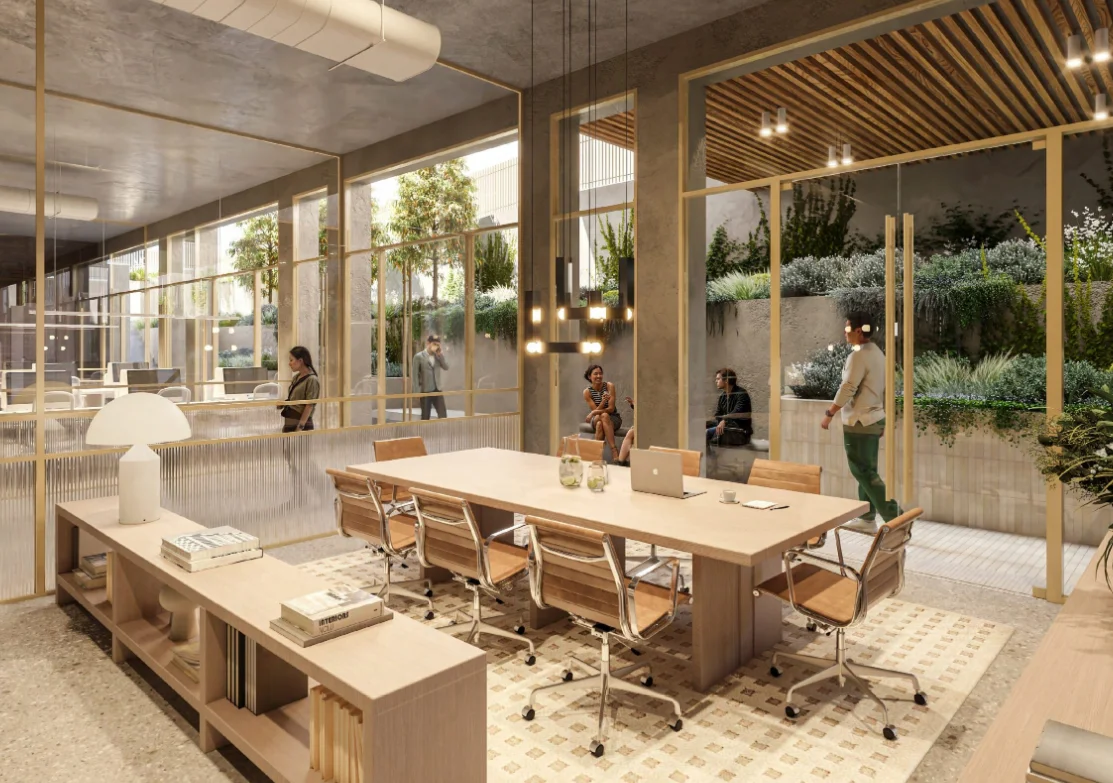
James has encouraged the project team to embrace colour, curves and unexpected moments within the interior. He has described corridors not as passages, but as experiences that should unfold gradually, creating anticipation rather than efficiency alone.
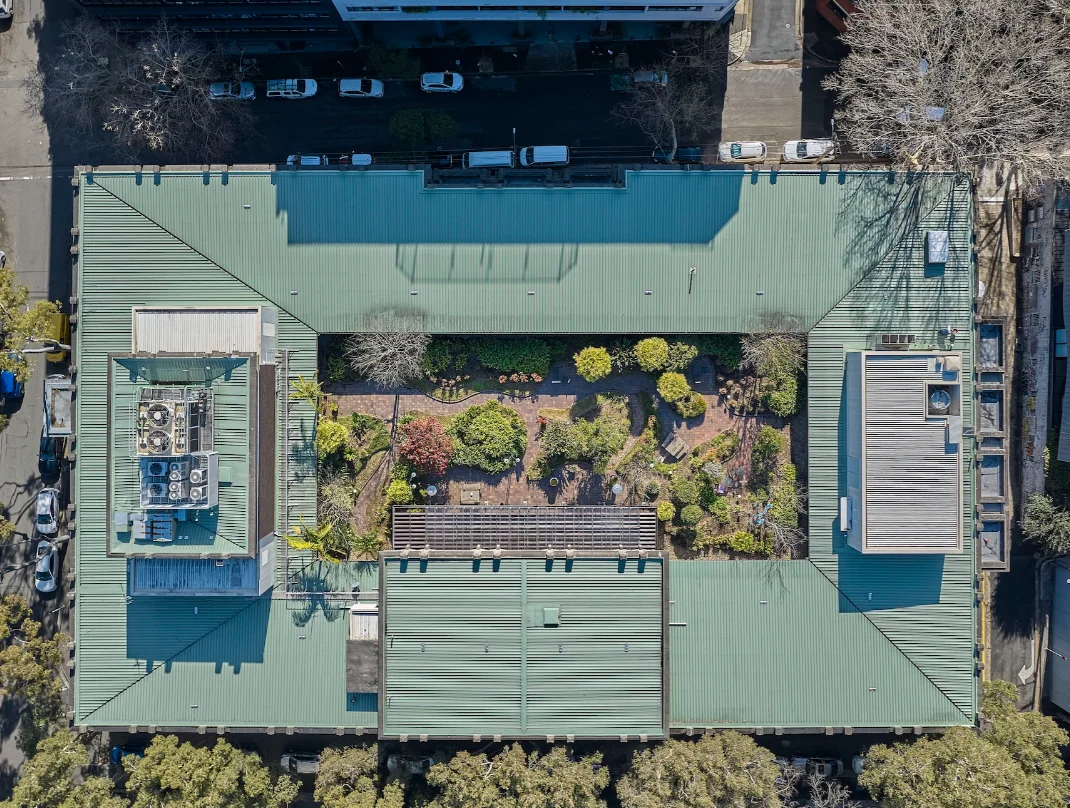
The refurbishment also plans to reinstate Annand’s sculptural elements, some of which were concealed for decades, and rebuild the rooftop garden originally designed by Mackenzie.
A Space For Creative Exchange
The renewed building is intended to function as a shared creative environment within Surry Hills, encouraging collaboration and informal interaction among tenants. This approach aligns with James’ original intent to design workplaces that felt alive rather than rigid.
Published 13-Jan-2026