



A Surry Hills dining institution has abruptly closed its doors after nearly 60 years, leaving shocked customers staring at for lease signs where Abdul’s Lebanese Restaurant once welcomed generations of diners on Elizabeth Street.
Read: Rare Commercial Property in Surry Hills Sparks Strong Buyer Interest
The beloved eatery, which has been serving traditional Lebanese cuisine since 1968, announced its closure with a simple message on its website: “Abdul’s Lebanese Restaurant has closed. Thank you to you all!!” The closure has left customers without one of what was long considered the city’s best Lebanese eateries.
History of the Restaurant
Abdul’s story begins with Lebanese migrant Dib Ghazal, who arrived in Australia in 1965 with no intention of staying permanently. Like many migrants of his era, Dib hoped to achieve success before returning to Lebanon. However, fate had different plans for the Ghazal family.
What started as an Arabic sweets shop transformed into a groundbreaking restaurant when Dib and his wife Nizam acquired the business in 1968. Abdul’s holds a significant place in Australian culinary history as one of the first establishments in the country to sell falafel and traditional Lebanese bread. At the time, these foods were virtually unknown to most Australians, and sourcing authentic ingredients proved extremely challenging.
Nizam, affectionately known as “Umm al-Abd”, would knead dough by hand to make fresh bread for the falafel sandwiches that Dib prepared. Initially, they only sold falafel sandwiches on weekends, but demand quickly grew, with queues stretching from the restaurant door all the way to the end of Elizabeth Street.
The restaurant became a true family operation, with each of Dib and Nizam’s nine children playing a role after completing their schoolwork. Dib would cut parsley for tabbouleh—he was reportedly the fastest among them all. Two daughters helped Nizam with the bread-making, whilst two sons assembled and wrapped the falafel sandwiches. Other family members took orders and served customers. This collective effort built not just a business, but a legacy that would span nearly six decades.
Building a Community Following

Abdul’s initial clientele consisted mainly of Arab migrants who would visit after attending services at the nearby Maronite church. These early customers connected deeply with Nizam’s home-cooked Arabic dishes.
By the early 1970s, word had spread beyond the migrant community. Australian diners discovered Abdul’s vegetarian offerings, particularly the falafel, and became fascinated by the food’s origins. Nancy remembers customers being interested in the smallest details, wanting to know about the recipe’s history and the story of the man who brought it to Australia. Dib would explain that falafel was a dish popular amongst the poor in Lebanon, and that he had come to Australia to create a better future for his family.
Over the decades, the restaurant evolved from its humble beginnings into a sprawling establishment that became a Sydney institution. Abdul’s was known for its generous portions, handmade dishes, and welcoming family atmosphere. The menu expanded to include classic mezze, charcoal-grilled meats, vibrant salads, house-made dips, and traditional desserts.
The End of an Era
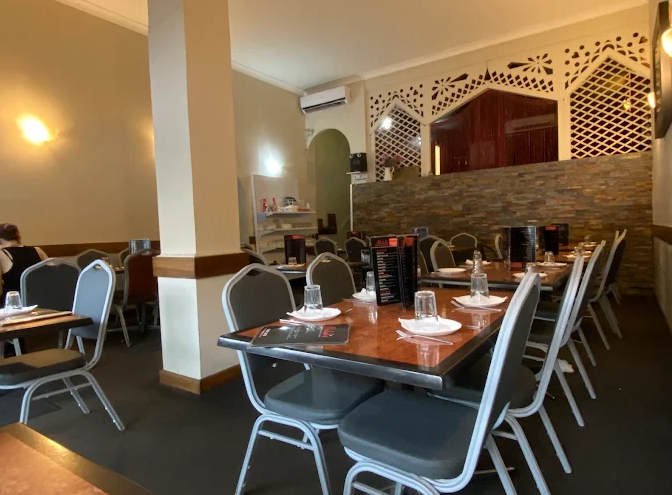
No official reason has been provided for Abdul’s closure, and the Ghazal family has not yet commented publicly on the decision. The restaurant’s sudden shuttering, discovered by customers who noticed the for lease signs this week, marks the end of an extraordinary chapter in Sydney’s culinary history.
Read: Reader’s Digest Building in Surry Hills Finds New Purpose in 21st Century
For the thousands of Sydneysiders who celebrated milestones, enjoyed family gatherings, or simply savoured a perfectly wrapped falafel sandwich at Abdul’s over the past 57 years, the closure represents far more than the loss of a restaurant. It’s the end of a pioneering establishment that helped introduce Lebanese cuisine to Australia and became an integral part of Sydney’s rich multicultural tapestry.
Published 13-January-2026